Politics
Challenges continue over Trump administration’s scuttled $1.8 billion anti-weaponization fund
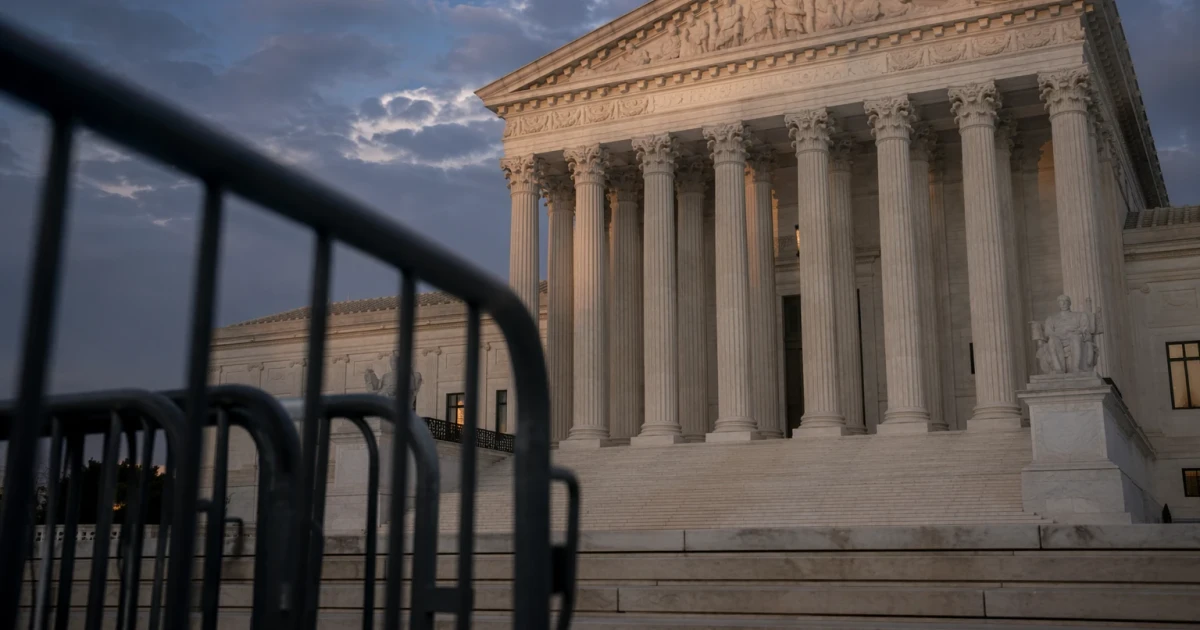
A shelved $1.8 billion anti-weaponization fund is still drawing court challenges, even after the Justice Department told a federal court the program was "not going forward." The fight has become less about whether the fund survives in practice and more about whether the government can declare a retreat and still escape judicial scrutiny.
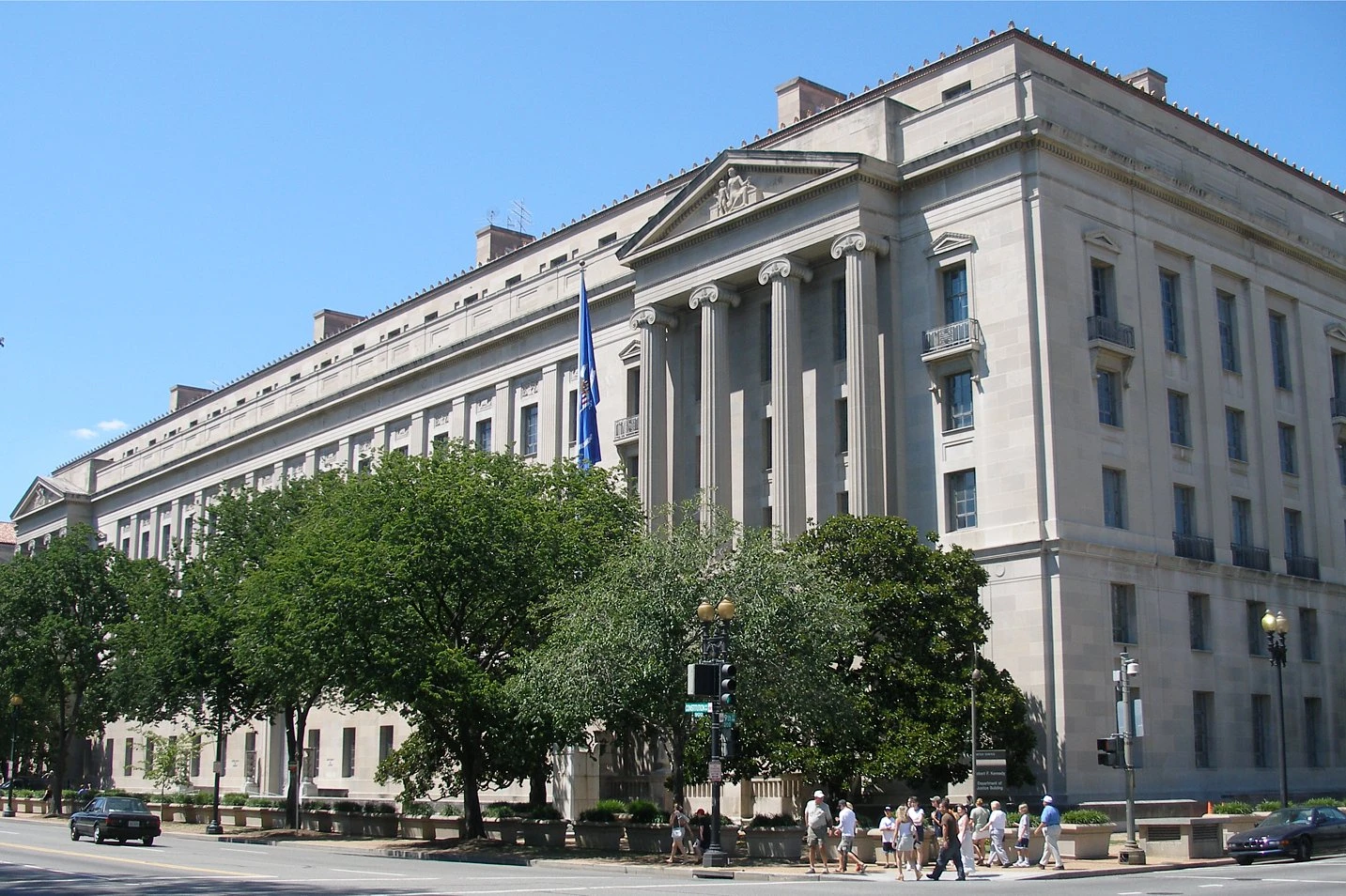
The fund was announced by the U.S. Department of Justice on May 18, 2026 as part of a settlement in Trump v. Internal Revenue Service, the lawsuit brought by Donald J. Trump, Donald J. Trump, Jr., Eric Trump and the Trump Organization over the leak of their tax returns. DOJ settlement materials said the plan was meant to hear and redress claims from people who believed they had suffered government "weaponization" or "lawfare," and the settlement said the parties intended to settle the case "forever and finally."
The implementing order gave the fund concrete structure. One DOJ document described a five-member body, including a chair to be appointed within 30 days of the settlement’s effective date. The order said fund money could be used for per diems, administrative services, facilities, staff, travel and other support services. The amount has been described in different places as $1.8 billion and as roughly $1.776 billion, reflecting rounded and more precise figures tied to the same settlement.
The legal dispute did not end when DOJ said it would stop work on the fund. A federal judge had already temporarily blocked the fund’s use, and challengers have asked for discovery to test whether the administration is truly abandoning the program. That request goes to a central question in federal courts: whether a case becomes moot when the government announces a policy reversal, or whether judges can still examine whether the retreat is complete and binding. A hearing in the broader dispute was set for June 12, 2026.
The controversy has also spilled back into Congress. On June 4, 2026, the Senate rejected a motion to waive budget rules for Thom Tillis’s Amendment No. 5452 by a vote of 15-84. A separate Chuck Schumer motion to commit the fund failed 49-50. The amendment would have redirected the anti-weaponization money into an anti-fraud purpose, underscoring how the settlement became entangled with the larger reconciliation fight.
Critics had portrayed the arrangement as a politically charged "slush fund" or a payoff risk, while supporters cast it as a remedy for alleged abuse by government actors. What remains now is the institutional question beneath the politics: whether executive branch withdrawal can moot a controversy, or whether courts will keep pressing for answers after a program is announced, challenged and then quietly pulled back.
Sources
- [1]abcnews.com
- [2]justice.gov
- [3]rollcall.com
- [4]senate.gov
- [5]democrats.senate.gov