Business
Chanel acquires Charvet, adding heritage menswear craftsmanship to its empire
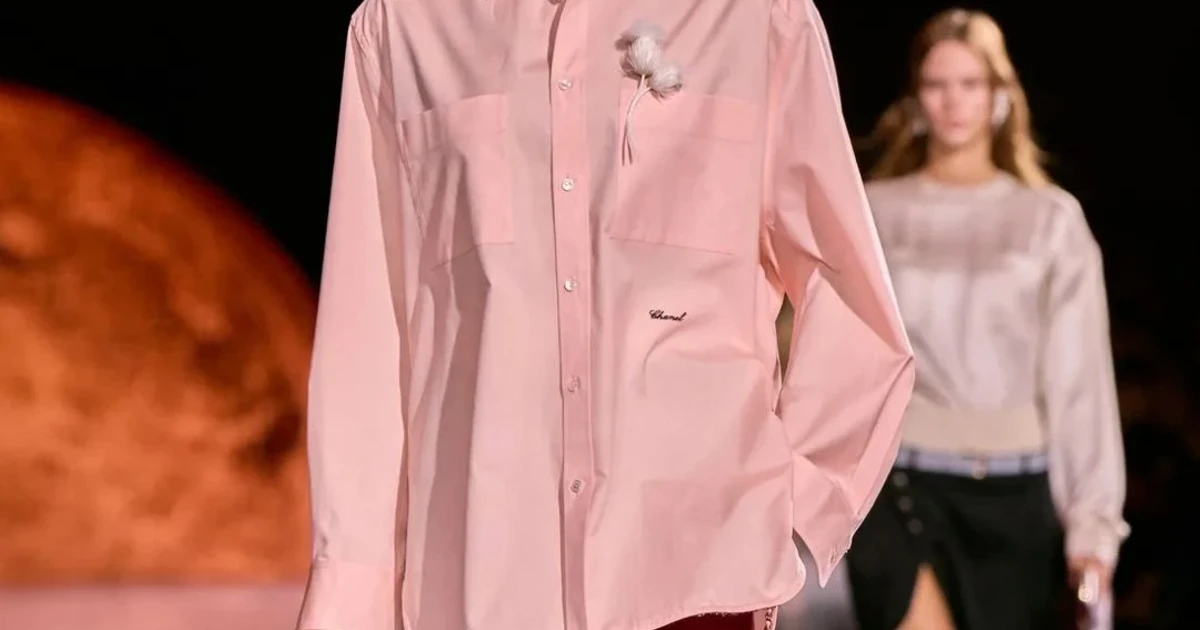
Chanel is acquiring Charvet, the Paris shirtmaker founded in 1838 and widely described as the world’s oldest shirtmaker, in a move that brings one of French luxury’s most recognizable craft names into its orbit. The purchase adds men’s wear expertise to a house that has long treated shirts as part of its own origin story: Chanel said the shirt was the first item Gabrielle Chanel borrowed from menswear, and in its Spring-Summer 2026 collection it framed the piece as where “the savoir-faire of French shirtmaker Charvet meets the codes of CHANEL.”
Charvet Place Vendôme presents itself as a maison founded in 1838 and as a shirtmaker and tailor since then, a legacy built on bespoke shirting, ties and haberdashery for elite clients. For Chanel, ownership of that name is as much about control as it is about symbolism. The heritage label carries a Paris address, centuries-old craft credentials and the kind of specialized production knowledge that luxury houses increasingly want to keep inside the family rather than source from outside vendors.
The timing fits Chanel’s balance sheet. The company’s 2025 results, published on May 19, 2026, showed revenue of about $19.3 billion and operating profit of about $4.7 billion, alongside a 44% increase in free cash flow. Chanel said it continued to invest in its brand, people, client experience and supply chain, evidence that it has been using profitability to deepen control over the business rather than simply chase volume.
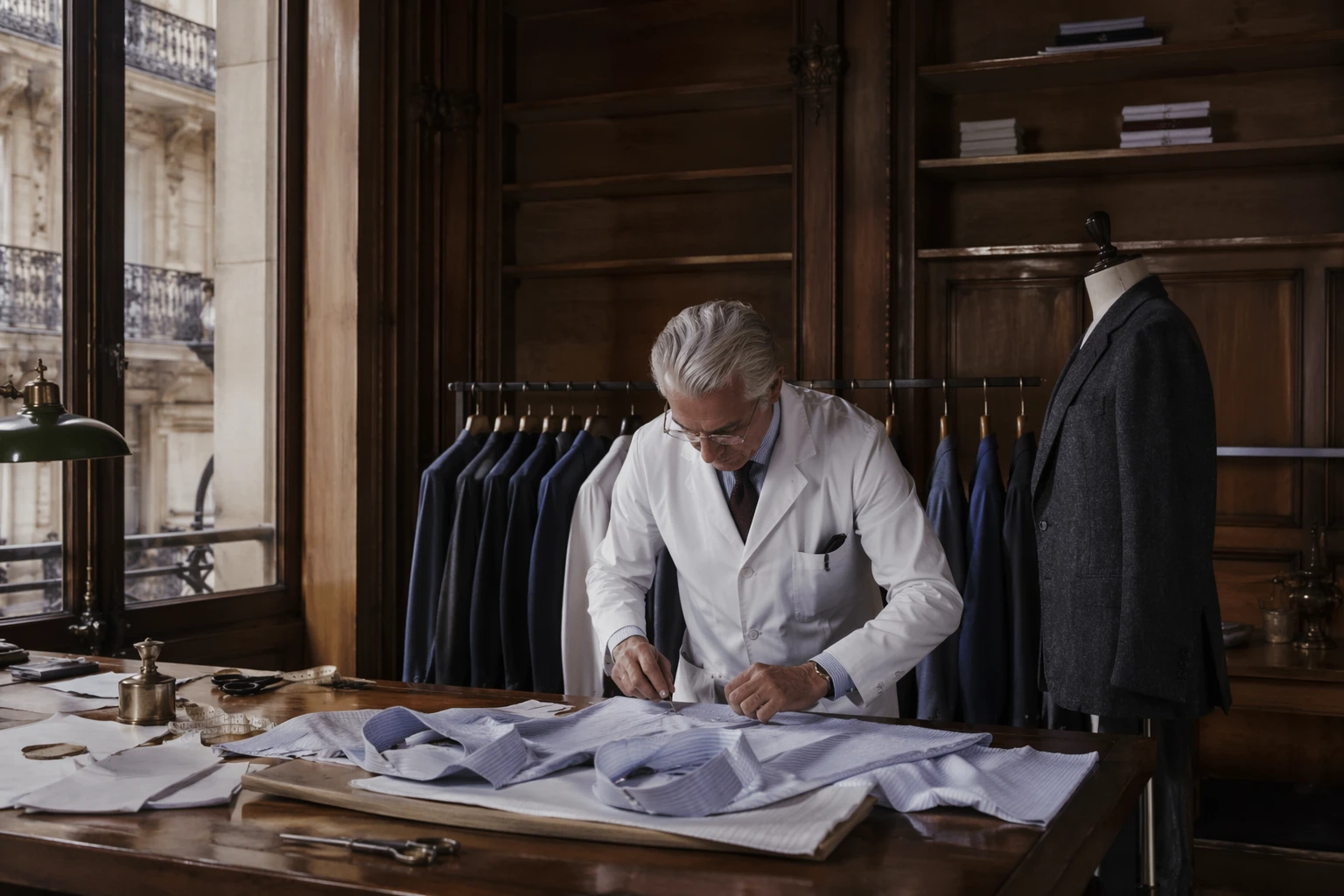
Charvet also fits a broader pattern. Chanel took a majority stake in Grey Mer, the Italian footwear maker and long-standing partner, in 2025, signaling a vertical-integration strategy that reaches beyond runway fashion into the specialist workshops that shape the product itself. That approach matters in high-end luxury because craft is not only a storytelling device; it is part of the machinery that supports scarcity, quality and the pricing power that comes with both.
For Chanel, the acquisition is a bet that historic names still matter, especially when they sit on top of technical know-how. In a luxury market defined by limited supply, brand cachet and provenance, bringing Charvet inside the house gives Chanel another lever over the things that make a shirt, and a brand, worth more.
Sources
- [1]nytimes.com
- [2]charvet.com
- [3]chanel.com
- [4]luxurytribune.com
- [5]wwd.com