World
Chaos deepens as U.S. and Iran scramble over peace deal signing

The ceasefire effort between Washington and Tehran has become a case study in strategic ambiguity, with the biggest question no longer what the deal does, but what was actually agreed to. The White House first said the memorandum of understanding had been signed on Sunday by JD Vance, then said there would be another signing ceremony on Friday. Donald Trump briefly said he would fully authorize reopening the Strait of Hormuz, only to say an hour later that the waterway would open only after Friday’s signing. Then Trump and Iranian President Masoud Pezeshkian re-signed the agreement at a dinner in Versailles with Emmanuel Macron looking on.
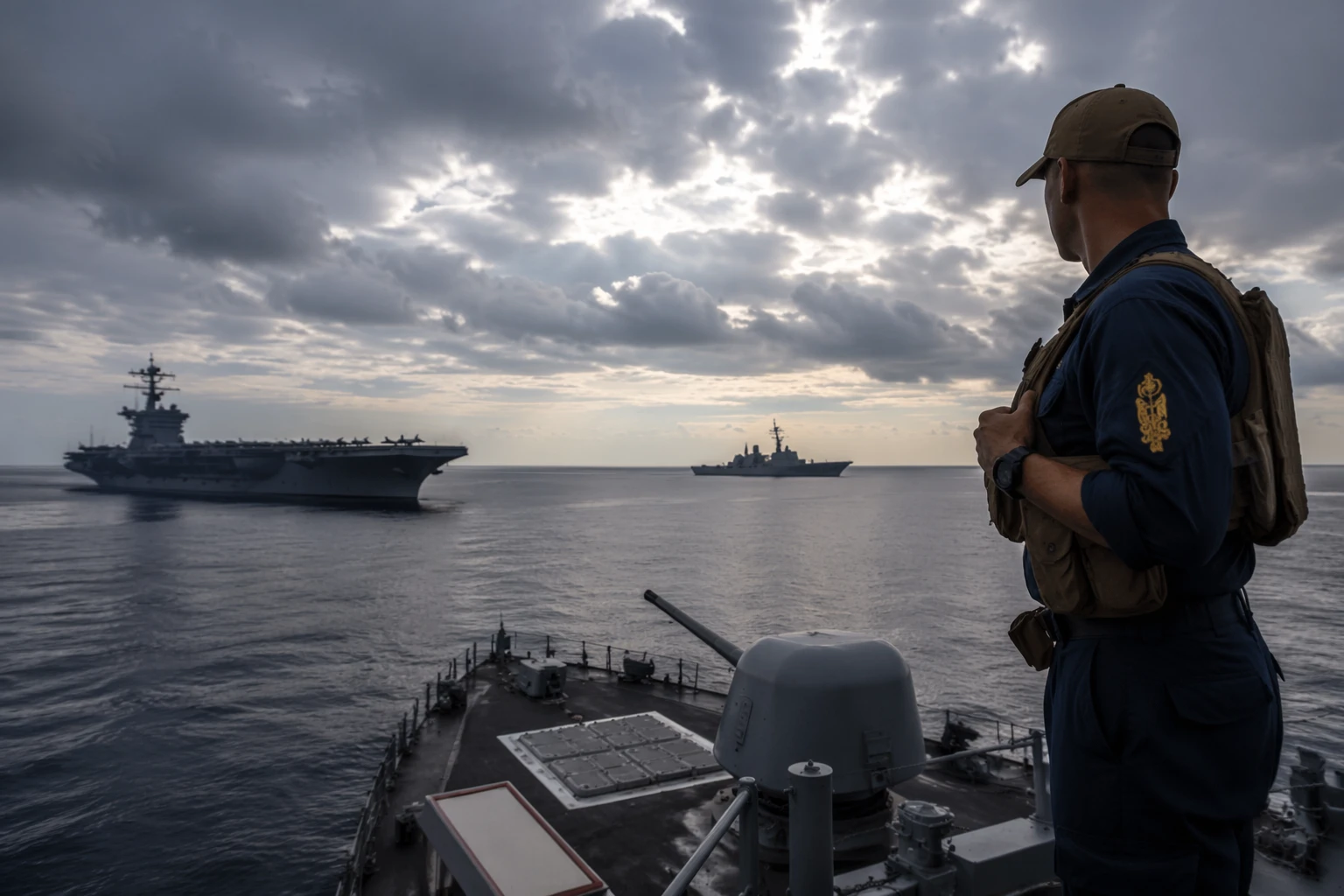
A senior U.S. administration official provided the 14-point text on June 17 after questions swirled over its contents, and Pezeshkian later published it on X, calling it a “historic document.” The memorandum calls for the immediate and permanent termination of military operations on all fronts, including in Lebanon, and says both sides will not initiate war, threaten force or violate sovereignty and territorial integrity. It also sets a 60-day deadline, extendable by mutual consent, for a final deal. Under the text, the United States would begin removing its naval blockade immediately, end it within 30 days and pull its forces away from Iran within 30 days after a final agreement.
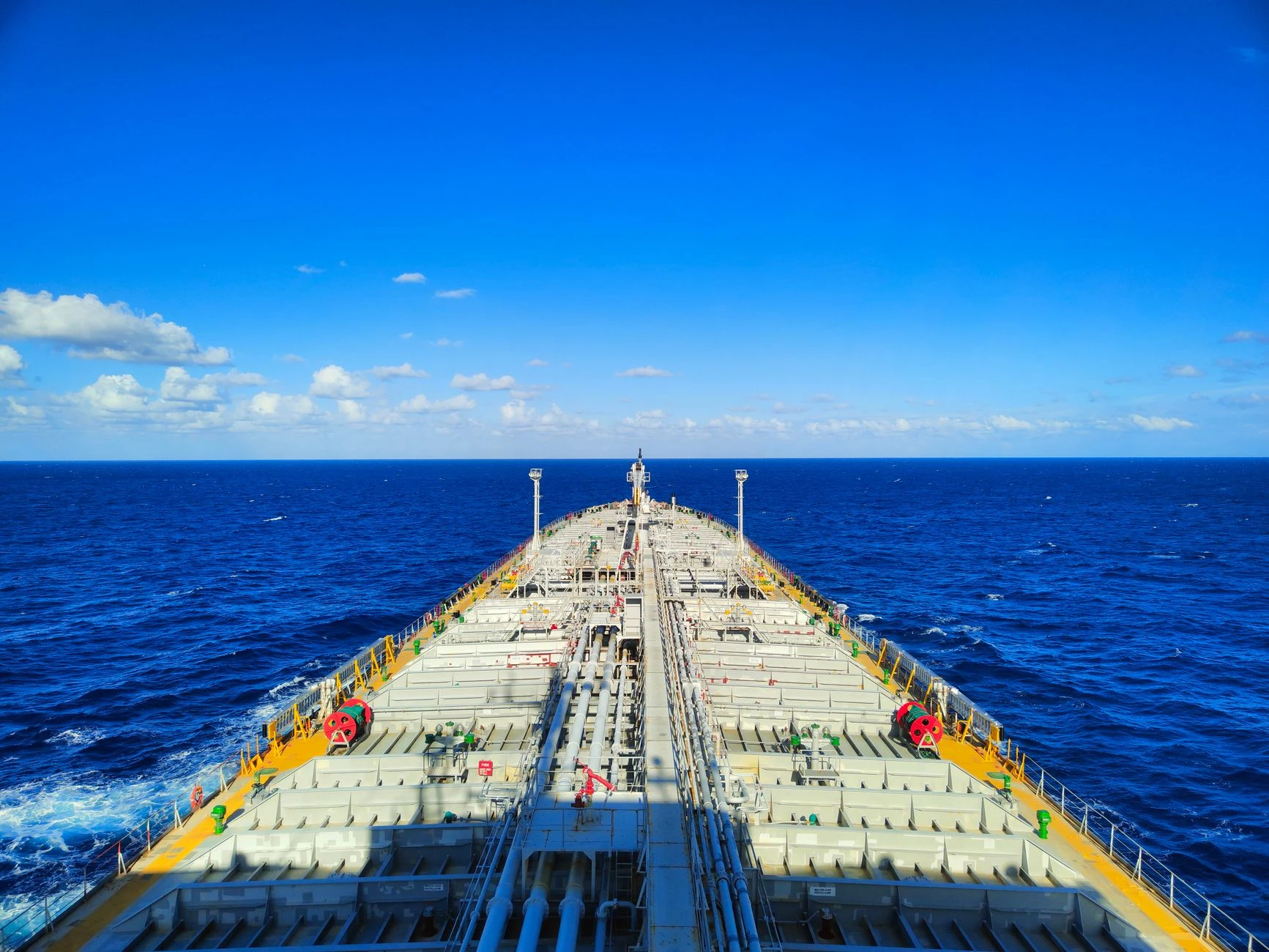
The economic stakes are immediate. The deal would let Iran begin selling oil and fuel as soon as it is signed, while waiving sanctions on banking, transportation and insurance tied to those sales. A U.S. official described it as a “performance-based agreement,” with benefits contingent on Iran’s compliance, including no nuclear weapon, neutralizing enriched material and not interfering with free navigation in the Strait of Hormuz. Reuters reported that Iran has more than 100 million barrels of oil in storage and on tankers, with more than 60 million barrels outside the U.S. blockade. Roughly 20% of the world’s oil and liquefied natural gas normally moves through the strait, and oil prices fell about 5% to a three-month low on hopes the route would reopen.
The regional and diplomatic response has been just as split. Pakistan said the “Islamabad MOU” was in effect as of June 18, and Shehbaz Sharif was credited with first announcing that signing would take place in Switzerland. The foreign ministries of the U.K., France, Germany and Italy called the deal a moment to restore stability and stabilize the global economy, while signaling readiness to lift relevant sanctions if Iran takes clear and verifiable nuclear steps. China’s foreign ministry also welcomed the preliminary peace deal and urged all sides to stick to dialogue. Iran’s foreign ministry said Tehran would monitor U.S. compliance “without any leniency,” while Esmaeil Baghaei said Iran would not ship its stockpile of highly enriched uranium abroad and that missile talks were off the table. Israel rejected Iran’s reported condition that Israel withdraw from Lebanon.
The war began on February 28, when the U.S. and Israel launched strikes on Iran, and a temporary ceasefire on April 8 paused much of the heaviest fighting. The International Atomic Energy Agency chief said the “technical work starts” now, but the real test is whether the sides can turn a shifting political announcement into enforceable commitments. For oil markets, allies and military planners, the cost of confusion is already visible: prices have moved, diplomacy has blurred and the most important details are still being argued in public.
Sources
- [1]news.google.com
- [2]nbcnews.com
- [3]usnews.com
- [4]cnbc.com
- [5]aljazeera.com