US News
Charles M. Blow highlights Son of a Saint's fatherless mentorship mission
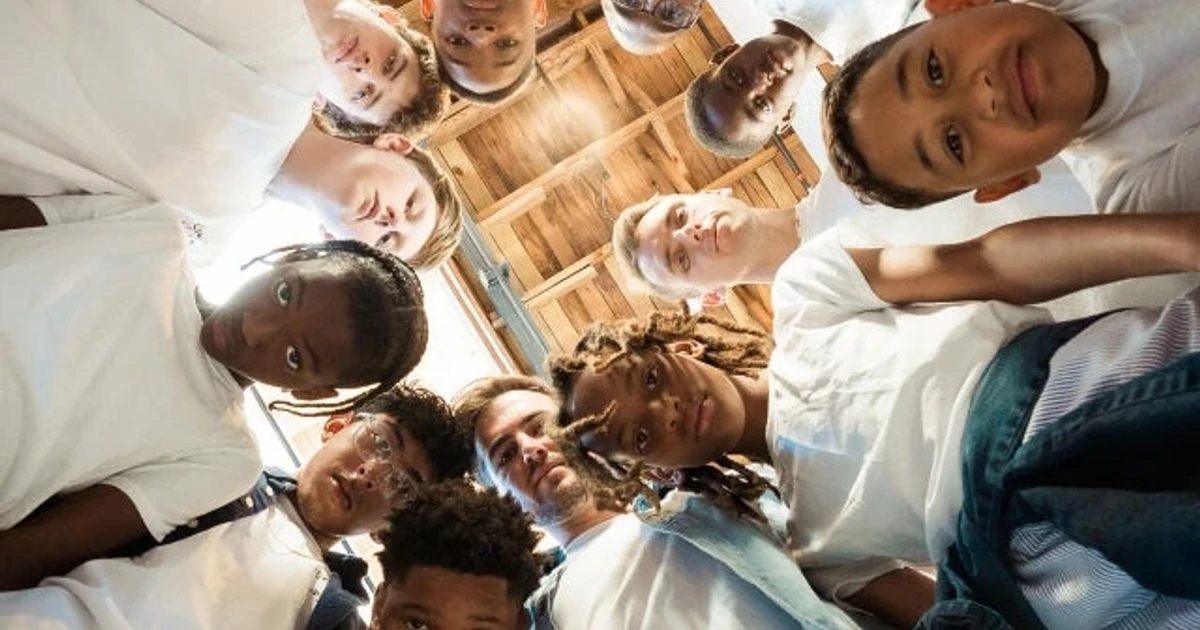
Charles M. Blow’s visit to Son of a Saint turns a personal story into a public question: what does a community owe boys growing up without fathers, and how much can mentorship realistically repair? The answer, in this case, is not sentimental. It is a network of adults, routines, services and expectations built to give boys stability where family life has been fractured by death, incarceration, deportation or absence.
Fatherlessness as a civic problem
Blow says he grew up missing a father after his parents split when he was five, and that his father’s alcoholism deepened the absence. What filled that space was not one heroic substitute, but a web of men: grandfathers, uncles, neighbors and coaches who offered guidance, correction, composure and a sense of possibility. That experience shapes the point he makes now, which is that boys in similar situations need more than inspiration. They need a durable community willing to keep showing up.
That framing matters because Son of a Saint is built around the idea that father absence is not only a family problem, but a civic one with implications for school performance, emotional regulation and long-term opportunity. The organization points to research-based claims that father-absent homes are associated with high rates of prison and dropout among youth. Its model responds with a practical proposition: if one dependable adult can change the trajectory of a boy’s life, then a coordinated institution can widen that chance across an entire neighborhood.
What Son of a Saint is trying to build
Son of a Saint was founded in 2011 by Bivian “Sonny” Lee III, whose father played for the New Orleans Saints and died when Sonny was three. The organization says it began with just $100 in the bank and five mentees, then grew into a larger system serving more than 700 young men and raising over $50 million to support their growth and futures. Its FAQ says it now serves nearly 700 youth, including active mentees, alumni and those receiving tuition support.
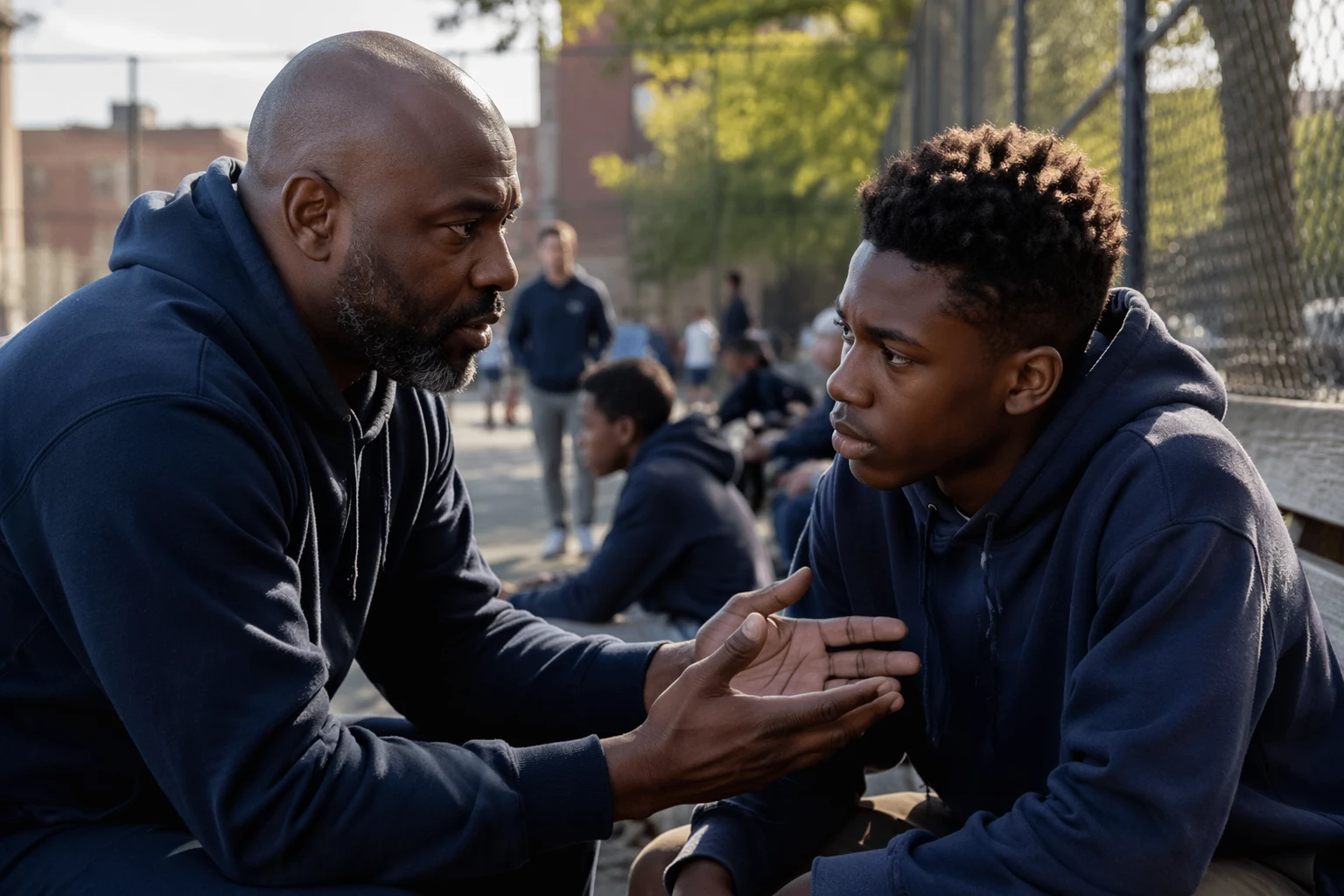
The scale is not just financial. Son of a Saint says it employs about 40 full-time staff members plus part-time staff, and that boys typically enter between ages 10 and 12. Eligibility includes boys whose fathers are no longer in their lives because of death, long-term incarceration, deportation or because they are being raised by a single mother. In Greater New Orleans, the organization says it reaches more than 90 schools across 25 ZIP codes, a footprint that shows how a local program can become a citywide institution without losing its focus.
The group’s staffing and programming also reflect an insistence on consistency. Mentors generally volunteer at least four hours per month, boys are expected to participate in at least two activities each month, and the organization says it offers about 20 events monthly. That structure is the opposite of one-off outreach. It is an attempt to create cadence, accountability and repeated contact, the elements most likely to matter when a boy’s life already contains instability.
Inside The Clubhouse
Blow visited the group’s headquarters in Bayou St. John, a transformed building the organization calls The Clubhouse. The space functions less like an office than a community center, and that distinction is the point. It is meant to feel like a home for learning and belonging, a place where boys can arrive not as cases to be managed but as young people whose development is expected and protected.
During his visit, Blow observed a cooking class and a wellness class focused on mental health and resisting distorted masculinity. Those details matter because they show how mentorship extends beyond checking grades or offering pep talks. The program is trying to address what boys absorb about manhood, emotion and self-control, while also giving them concrete skills and a setting where adults can notice when something is off.
Son of a Saint says it offers case management, mental health services, academic support, nutrition education, recreation, transportation, travel opportunities, job shadowing, career exploration and STEM programming. It has also added a full-time licensed therapist, a case manager and an education coordinator. Taken together, those pieces show a model designed to do more than mentor. It tries to wrap educational, emotional and practical support around boys who may be navigating grief, economic pressure or family disruption at the same time.
What the model can do, and what it cannot
The organization’s strongest argument is that mentorship works best when it is not treated as a soft supplement. Blow spoke with 16-year-old twin brothers Michael and Robert, who joined the program three years earlier after their father died. They said the organization paid for summer camps in the Northeast, a detail that captures both the practical and formative reach of the program. Access to travel and enrichment can open a world that grief and tight budgets often close off.
Still, the model has limits. Son of a Saint can offer structure, mentors and support teams, but it cannot replace a father, rewrite trauma on its own or solve the broader conditions that produce father absence in the first place. That is why the program’s seriousness lies in its scope of care, not in pretending that care alone is enough. Its value is in stabilizing boys long enough for school, work and relationships to become possible again.
The organization’s pandemic record shows both resilience and demand. It says that during COVID-19, it raised 60% of its fundraising goal while partnering with Ochsner Health and doubled enrollment to 200 boys. That growth suggests that families and donors alike saw the program as essential infrastructure, not a luxury. It also explains why Son of a Saint has continued to operate a capital campaign: a model this hands-on requires money, staff and physical space to remain credible.
Blow’s Father’s Day framing gives the story its final weight. Most of the boys he met celebrated the day with their mentors, the men who stepped into the breach. That image does not resolve the fatherlessness gap, but it does clarify what a serious response looks like: steady adults, organized support and institutions willing to make belonging a measurable part of youth development.
Sources
- [1]cbsnews.com
- [2]sonofasaint.org