World
Chernobyl Faces New Threats as War Complicates Legacy
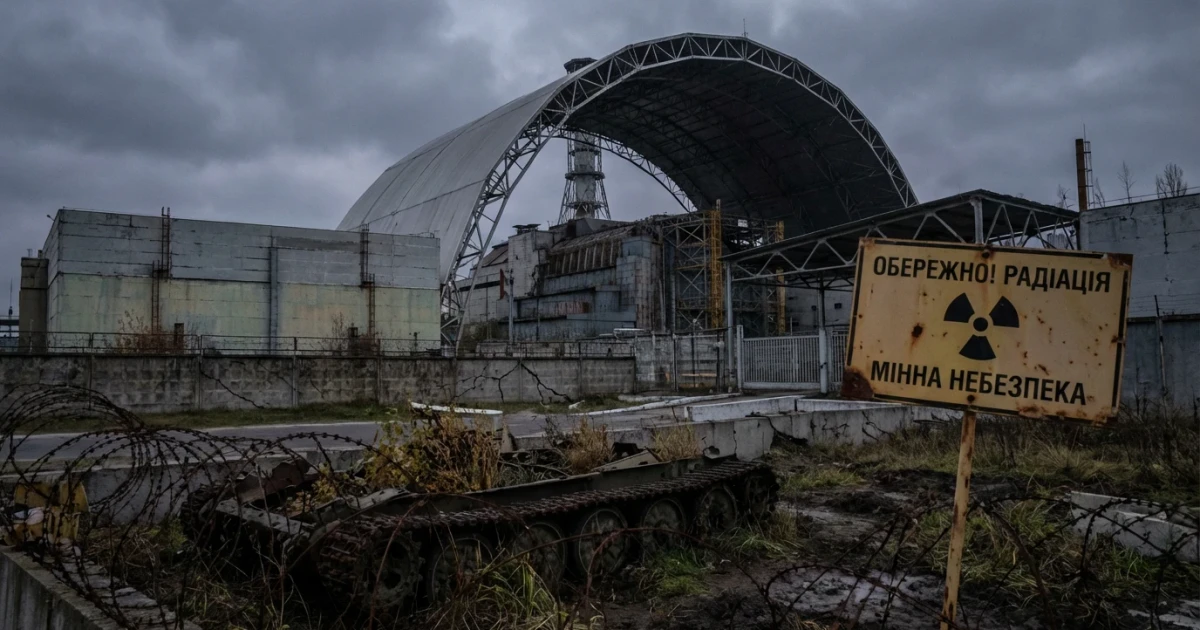
Forty years after the catastrophic nuclear meltdown at Chernobyl, the infamous site is once again at the center of global concern as ongoing conflict in Ukraine introduces new dangers to its fragile environment and the communities still affected by its legacy.
Decades of Recovery Challenged by Conflict
Since the Chernobyl accident in 1986, extensive international efforts have focused on containing radioactive contamination, monitoring health effects, and gradually improving safety standards at the site. According to data from the International Atomic Energy Agency’s Chernobyl Database, major projects like the New Safe Confinement arch have stabilized the remains of Reactor 4 and reduced radiation leakage risks. Remediation initiatives and monitoring have led to a significant decrease in environmental radiation over the past several decades.
The area, however, remains hazardous. The United Nations Scientific Committee on the Effects of Atomic Radiation reports that thousands of square kilometers remain in the Exclusion Zone, with ongoing health surveillance for affected populations. Before recent hostilities, the Chernobyl region was a model of post-disaster recovery and international cooperation.
War Compounds Risks at a Fragile Site
The outbreak of war in Ukraine has dramatically complicated Chernobyl’s recovery. As reported by The New York Times, military activity in and around the Exclusion Zone has raised alarms among nuclear safety experts and humanitarian organizations. The presence of military forces risks disturbing contaminated soil, infrastructure, and containment systems that took decades to secure.
- Power outages at the site have disrupted critical cooling and monitoring systems, according to multiple international agencies.
- There are concerns about potential sabotage or accidental damage to radioactive waste storage facilities.
- Humanitarian access to the region has been restricted, hampering efforts to continue environmental monitoring and health support for workers and local residents.
The European Commission has noted delays in important safety projects, including upgrades to waste management and site security, due to the instability and risk of renewed fighting near sensitive areas.
Continued Environmental and Health Concerns
Experts emphasize that the dangers of renewed disturbance at Chernobyl are not only immediate but long-term. The OECD Nuclear Energy Agency highlights that even small disruptions can lead to resuspension of radioactive particles, potentially affecting air and water quality across the region. The risk of another large-scale radiological release remains low, according to current assessments, but the cumulative impact of war on monitoring and containment systems is a growing concern.
Meanwhile, health monitoring continues for thousands of people who lived through the original disaster. Data from Chernobyl.eu shows that cancer rates and other health issues related to radiation exposure remain elevated in affected populations. The uncertainty caused by conflict has made ongoing medical research and care more difficult, as clinics and infrastructure face new threats from disrupted supply lines and safety concerns.
International Response and the Path Forward
The renewed crisis at Chernobyl has galvanized calls for increased international support and monitoring. The United Nations’ International Chernobyl Disaster Remembrance Day in 2026 highlighted the need to protect recovery gains and ensure that the site does not become the source of a new radiological emergency.
Proposed solutions include strengthening remote monitoring systems, increasing funding for site security, and developing contingency plans for emergency humanitarian access. Experts say investment in robust, war-resistant infrastructure is essential to safeguard the progress made over four decades of recovery.
Conclusion: A Legacy at Risk
As Chernobyl marks its 40th anniversary, the intersection of war and nuclear legacy underscores the ongoing vulnerabilities at one of the world’s most infamous disaster sites. Ensuring the safety of Chernobyl—and the communities that still live with its consequences—will require continued vigilance, international cooperation, and a renewed commitment to both peace and science-based risk management.