Business
Chevron licenses shale production technology to rival oil producers

Chevron and ZL Chemicals said they would license a shale-production surfactant to rival oil producers, turning an in-house chemistry into a sellable tool as the basin gets harder to squeeze. The agreement, announced July 8, 2026, gives ZL the right to commercialize Chevron-developed technology under the Vantis trademark.
Chevron said the product is aimed at shale and tight reservoirs, including base-well enhanced oil recovery programs and new-well optimization. In practical terms, the chemistry is designed to help oil move more freely through rock. The surfactants are mixed with water and injected into the reservoir to reduce surface energy between water and oil, which can help droplets flow more efficiently through the formation. That is a different playbook from the early shale boom, when drilling more wells and tapping the easiest barrels delivered rapid gains.
Chevron’s chief technology and engineering officer, Ryder Booth, said the company wants the technology to reach a broader market and scale. ZL Chemicals president Echo Liu said the company plans to package the chemistry as a turnkey service that includes lab evaluation, quality control, application design, on-site deployment and field execution. Chevron also said it will keep developing next-generation surfactant technology for its own business, even as it opens the current version to outside buyers.
The move lands at a time when shale producers are being forced to work harder for each incremental barrel. Hart Energy reported earlier in 2026 that Chevron had been extending chemical surfactant testing across multiple basins, part of a wider industry effort to counter plateauing production from maturing wells. Upstream said Chevron discussed early results at the Society of Petroleum Engineers Permian Basin Energy Conference in Midland, Texas, in November 2025, where company officials described the recovery outlook as promising.
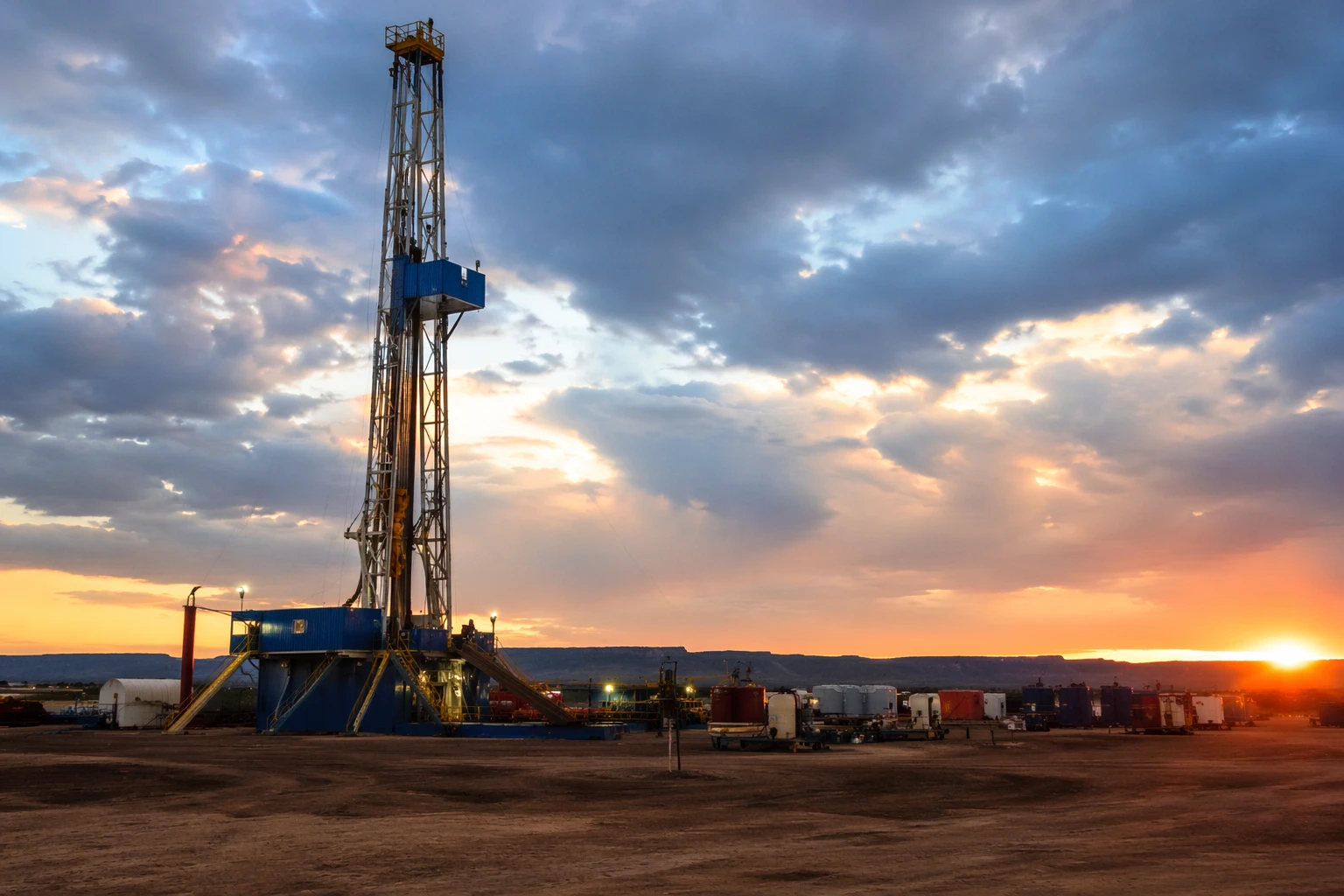
The strategic value is clearest in the Permian, where Chevron said on January 30, 2026, that it produced more than 1 million barrels of oil equivalent per day last year. That scale makes the basin central to Chevron’s U.S. strategy, but it also shows why chemistry matters: when conventional gains get harder to repeat, companies look for ways to stretch output from existing acreage rather than rely only on fresh drilling.
Upstream identified ZL Chemicals as Canada-based, with facilities in the United States, China and Oman. Financial terms were not disclosed. By putting a proprietary surfactant into a commercial channel, Chevron is signaling that the next phase of shale competition may hinge less on drilling volume alone and more on whether producers can turn chemistry into sustained recovery.
Sources
- [1]money.usnews.com
- [2]chevron.com
- [3]upstreamonline.com
- [4]hartenergy.com
- [5]msn.com