Lifestyle
Chicago Chef Shines on 'America's Test Kitchen' with Mexican Flavors
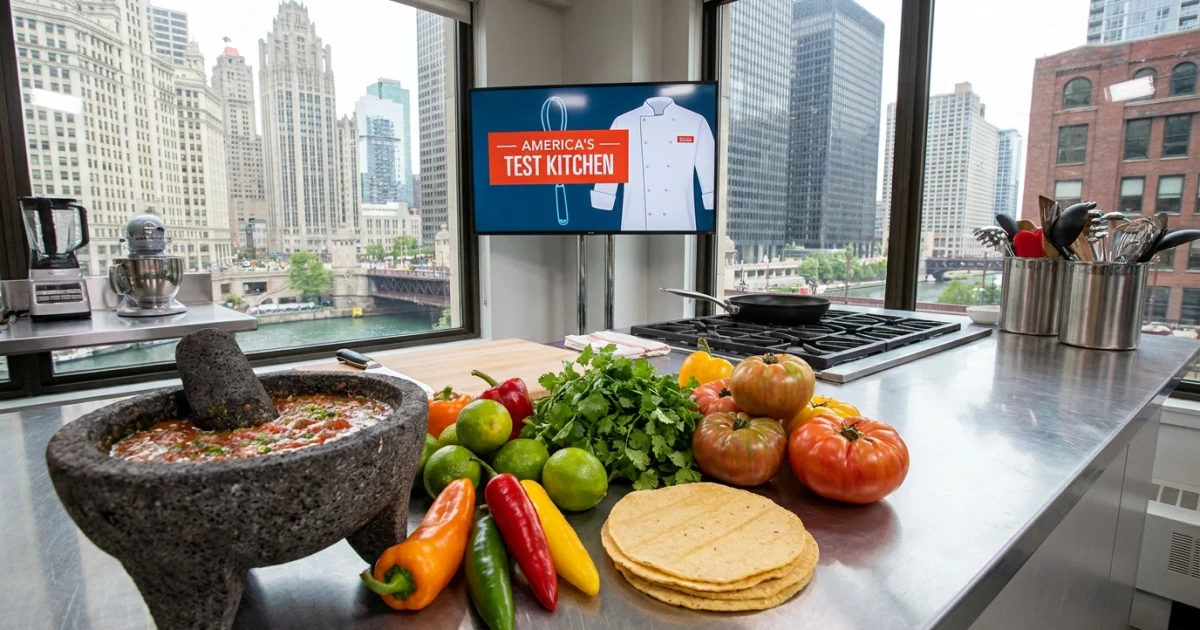
Chicago’s vibrant culinary scene takes center stage as the scion of one of its cult favorite Mexican restaurants joins the acclaimed culinary program America's Test Kitchen to explore and showcase regional Mexican recipes. This collaboration bridges the city’s rich food heritage with a national spotlight on the diversity and depth of Mexican cuisine.
From Local Favorite to National Television
Chicago is renowned for its eclectic mix of restaurants, with Mexican cuisine holding a prominent place among the city’s top dining experiences. The chef’s appearance on 'America’s Test Kitchen' marks a significant moment, both for the local restaurant’s legacy and for the broader movement to celebrate authentic regional Mexican cooking on a national platform. As highlighted by Chicago Magazine’s list of the city’s best restaurants, several Mexican establishments have garnered cult followings due to their commitment to traditional recipes and innovative flavors.
Exploring Regional Mexican Cuisine
While many American diners are familiar with Tex-Mex staples, the chef’s feature on 'America’s Test Kitchen' aims to broaden viewers’ palates by diving into the nuanced world of regional Mexican food. Each region of Mexico boasts distinct ingredients, techniques, and dishes—from the smoky moles of Oaxaca to the seafood-rich fare of Veracruz. According to Smithsonian Magazine’s analysis, these regional specialties have increasingly found their way into American kitchens, reflecting a growing appreciation for the country’s culinary complexity.
- Oaxaca: Known for its seven moles and use of indigenous ingredients.
- Yucatán: Features citrus-marinated meats and achiote-based sauces.
- Jalisco: Birthplace of birria and tequila, with robust flavors and slow-cooked stews.
- Baja California: Celebrated for fresh seafood and Baja-style tacos.
Mexican Cuisine's Impact in the U.S.
The United States’ love affair with Mexican food is reflected in the industry’s substantial economic footprint. According to IBISWorld industry statistics, the Mexican restaurant sector in the U.S. is valued at over $60 billion annually, with thousands of establishments serving everything from street-style tacos to innovative fusion dishes. The Pew Research Center notes that Mexican Americans remain the largest Latino group in the country, helping to shape the nation’s culinary landscape, particularly in metropolitan areas like Chicago.
This growing interest has also influenced how food television and media cover Mexican cuisine. 'America’s Test Kitchen'—known for its rigorous recipe testing and accessible instruction—has devoted several episodes to regional Mexican cooking, giving mainstream audiences a deeper understanding of the country’s culinary traditions. Readers can explore the program’s approach to authenticity and technique through their official episode guide.
Chicago’s Role in Mexican Culinary Innovation
Chicago’s Mexican restaurants are often lauded for balancing authenticity with creative flair, drawing on traditional recipes while also catering to the city’s adventurous diners. Many chefs, including the featured guest on 'America’s Test Kitchen', have inherited family recipes and adapted them for modern tastes, fostering a new generation of culinary leaders. Their impact is evident in the city’s restaurant rankings and the enthusiastic following among locals and visitors alike.
As reported by WTTW, the chef’s journey from a beloved local spot to national television not only highlights individual achievement but also underscores the broader evolution of Mexican food in America. With the spotlight on regional specialties and deeper culinary stories, viewers and diners alike are invited to experience the full spectrum of Mexican flavors—moving beyond familiar dishes to explore the country’s rich and varied gastronomic heritage.
Looking Ahead
The collaboration between Chicago’s culinary talent and 'America’s Test Kitchen' signals continued momentum for Mexican cuisine in the U.S. food scene. As more chefs and media outlets embrace regional authenticity, diners can expect to see a wider array of dishes and deeper stories behind the recipes they love. For those eager to learn more, resources like the USDA’s food sector data and dedicated guides to regional Mexican cooking offer valuable context on the economic and cultural significance of this enduring culinary tradition.