Science
Chicken Eggs Emerge as Surprising Pharmaceutical Powerhouses
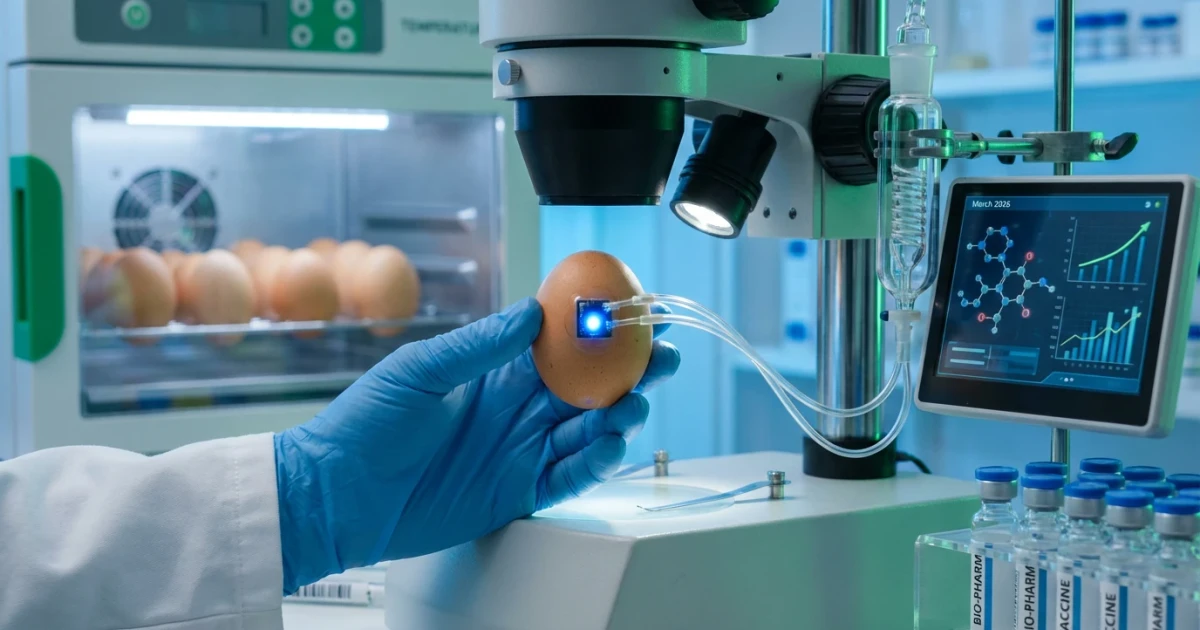
In a development at the intersection of agriculture and biotechnology, researchers are now turning ordinary chicken eggs into efficient bioreactors for producing pharmaceutical proteins. This innovative approach, highlighted by The New York Times, promises to reshape how medicines such as vaccines, hormones, and enzymes are manufactured—potentially reducing costs and increasing access worldwide.
How Chickens Become Drug Producers
The process builds on decades of research in genetic engineering. Scientists introduce a specific recombinant DNA construct—a carefully designed gene sequence—into the genome of a chicken. This gene encodes the desired pharmaceutical protein, such as a monoclonal antibody or an enzyme used to treat rare diseases. Once the transgenic chicken matures, it lays eggs containing the target protein in the egg white, which can then be extracted and purified for medical use.
Eggs are a particularly attractive choice: hens can lay hundreds of eggs per year, each providing a self-contained, sterile environment for protein production. According to recent scientific reviews, a single hen can produce enough eggs annually to supply treatment doses for dozens or even hundreds of patients, depending on the protein’s dosage requirements.
Regulatory Oversight and Safety
Turning living animals into pharmaceutical factories raises important safety and ethical questions. The U.S. Food and Drug Administration (FDA) has published detailed guidelines for the regulation of genetically engineered animals, ensuring these products meet rigorous safety, efficacy, and environmental standards before reaching the market. The European Medicines Agency (EMA) maintains similar guidelines for the use of transgenic animals in pharmaceutical manufacturing.
- All transgenic chickens used for drug production are raised in secure, highly controlled facilities to prevent gene escape and ensure animal welfare.
- Protein extraction and purification are subject to pharmaceutical-grade quality control, with stringent testing for contaminants or unintended byproducts.
- Clinical trials are required before any egg-derived drug can be prescribed to patients, as documented in public trial registries.
Medical Applications and Benefits
Egg-based biomanufacturing is already a mainstay in producing influenza vaccines, with chicken eggs used to grow viruses for inactivated and live vaccines. The new approach goes further by using genetically engineered hens to make complex proteins that are otherwise difficult or expensive to synthesize through traditional cell culture methods.
Potential benefits include:
- Lower production costs: Raising chickens and collecting eggs is less expensive than maintaining large bioreactors filled with mammalian cells.
- Scalability: Flock sizes can be adjusted to meet fluctuating demand for a particular drug.
- Rapid response: New proteins can be produced relatively quickly by engineering new transgenic hens and collecting eggs.
This technology is especially promising for so-called "orphan drugs"—treatments for rare diseases that currently face high production costs and limited availability.
Challenges and Ethical Debate
Despite the promise, egg-based bioreactors are not without controversy. Critics highlight concerns about animal welfare, biosecurity, and the long-term ecological impact of genetic engineering. Animal rights advocates urge continued oversight to ensure the humane treatment of transgenic flocks. Regulatory agencies in the U.S. and Europe remain vigilant, requiring ongoing risk assessments and public transparency as the technology evolves.
Looking Ahead
As research progresses, experts believe that genetically engineered chickens could become an essential platform for affordable, high-quality biologic medicines. Ongoing clinical trials and regulatory evaluations will determine which egg-derived drugs reach patients first, but the proof-of-concept is clear: with the right safeguards, a humble chicken egg can be transformed into a powerful tool for global health.