Technology
Chicken Soup for the Soul Publisher Files Lawsuit Over AI Data Use
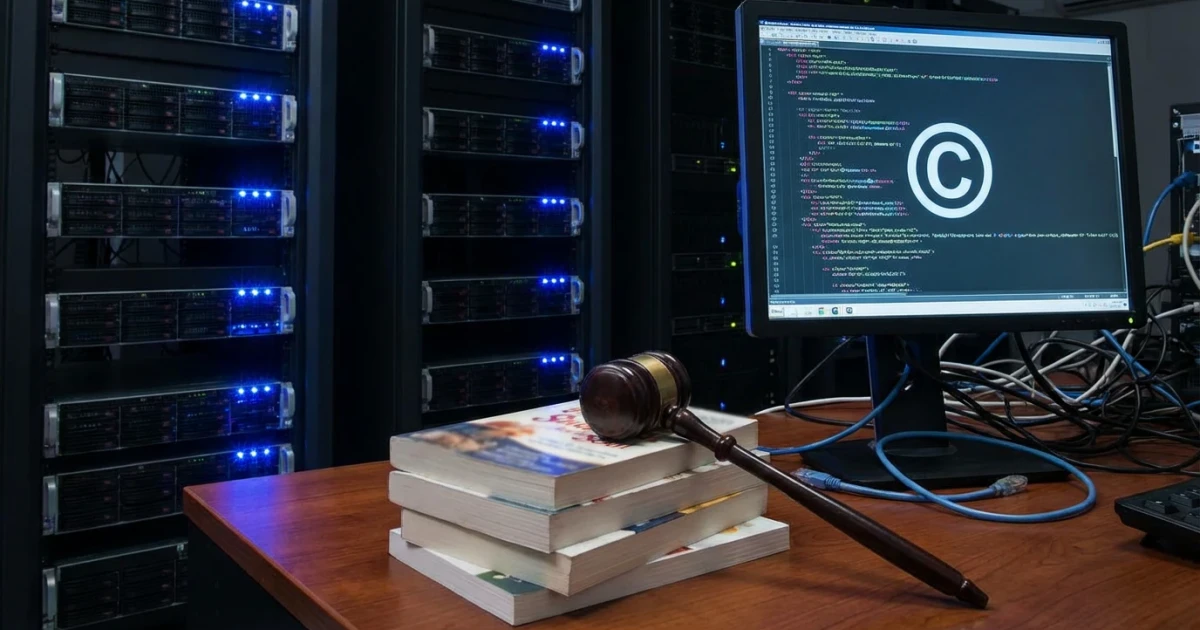
Chicken Soup for the Soul LLC, the publisher known for its best-selling collection of inspirational stories, has filed a lawsuit against multiple technology companies, alleging that their artificial intelligence systems were trained using copyrighted material without permission. The legal action, first reported by Reuters, adds to the growing number of copyright disputes surrounding the development of large language models and generative AI tools.
The Heart of the Lawsuit
The complaint, filed in a U.S. federal court, accuses several major tech firms of scraping and using Chicken Soup for the Soul’s extensive library of stories to train their AI models. The publisher claims this constitutes copyright infringement, as the companies did not seek or obtain a license for the use of these works. Readers can review the official court docket for additional filings and legal documents related to the case.
This suit joins a wave of similar legal actions by authors, publishers, and other copyright holders who argue that their creative work is being used to power AI systems without fair compensation. These concerns have been amplified by the rapid adoption of AI chatbots, search tools, and writing assistants that rely on massive text datasets scraped from the internet.
Copyright Concerns and Industry Response
Chicken Soup for the Soul’s lawsuit echoes arguments made by other writers and organizations, including the Authors Guild’s open letter on AI, which calls for clearer guidelines and protections regarding the use of copyrighted materials in AI training. These groups contend that AI companies have built business models atop a foundation of content created by others, without meaningful negotiation or compensation for rights holders.
According to statistical analysis by Statista, a significant portion of AI training data is sourced from books, articles, and other written works. This fact has fueled ongoing debates over what constitutes fair use in the context of machine learning and whether new legal frameworks are needed to address this rapidly evolving field.
Legal and Policy Landscape
The U.S. Copyright Office has issued multiple reports and guidance documents exploring how existing copyright law applies to artificial intelligence. Recent requests for public comment, such as those published in the Federal Register, highlight the ongoing uncertainty and the need for stakeholder input.
- AI developers argue that training on large datasets is a technical necessity for building effective models.
- Copyright holders counter that mass scraping and use of creative works, even for training, undermines their economic interests and rights.
- Courts have yet to issue definitive rulings that settle the question of whether such data use falls under fair use or requires explicit licensing.
Broader Implications for AI Development
The outcome of Chicken Soup for the Soul’s case could have broad ramifications for the tech industry and creative sectors. If courts determine that AI training constitutes copyright infringement, companies may face significant compensation demands and be forced to change their data collection practices. This could slow the pace of AI advancement or alter the availability and capabilities of future technologies.
As more publishers and authors pursue legal action, the landscape for AI developers remains uncertain. The industry continues to monitor ongoing lawsuits and regulatory developments closely, recognizing that any precedent set could reshape how AI is built and what content it can ethically and legally use.
The Chicken Soup for the Soul lawsuit marks another milestone in the ongoing debate over innovation, intellectual property, and the future of creative work in the age of artificial intelligence. As legal proceedings unfold, stakeholders across publishing, technology, and policy will be watching for signals about how copyright law will adapt to these new challenges.