Lifestyle
Chickpeas Offer Flavorful Vegan Meals at Home
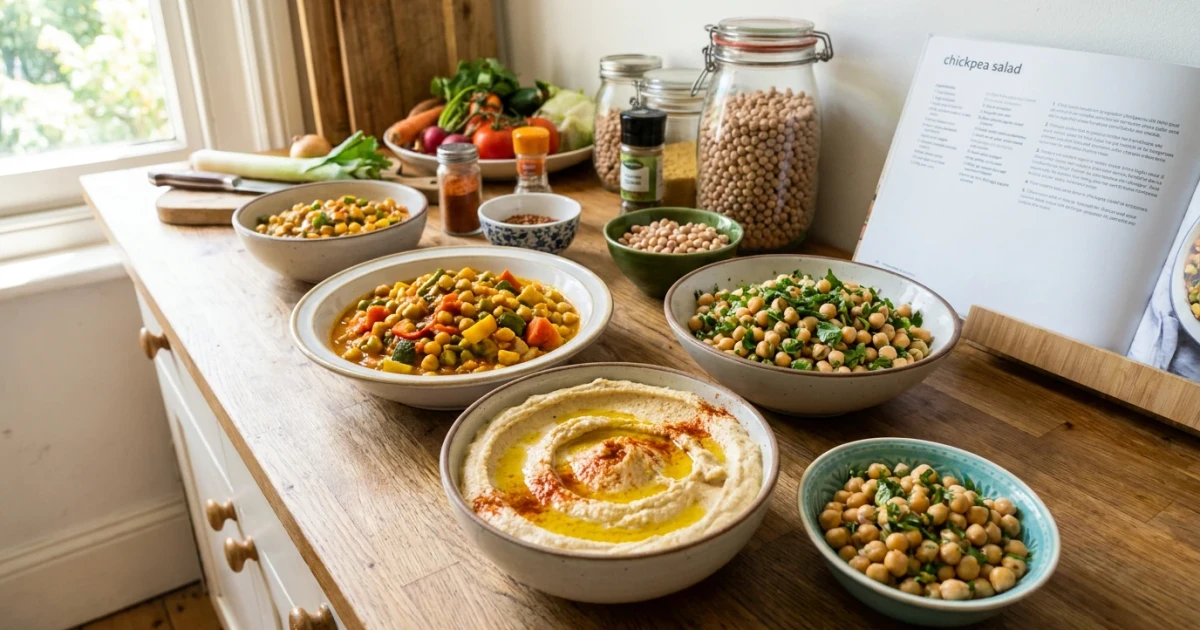
Chickpeas, also known as garbanzo beans, are emerging as a staple ingredient for home cooks seeking delicious vegan meals that rival restaurant fare. Recent recipes featured by Plant Based News showcase the versatility of chickpeas across cuisines, while nutrition research and global production data highlight their growing significance for health-conscious consumers.
Chickpeas Shine in Vegan Cuisine
Plant Based News recently spotlighted three vegan chickpea recipes designed to deliver restaurant-quality flavor at home. These dishes—ranging from Mediterranean-inspired salads to hearty curries—demonstrate chickpeas’ adaptability and appeal. The recipes rely on chickpeas’ creamy texture and subtle taste, which absorb seasonings and spices, making them suitable for a variety of culinary styles. While the article focuses on flavor, home cooks are also drawn to chickpeas for their ease of preparation and accessibility.
Global Production and Popularity
- Chickpeas are one of the most widely grown legumes, with annual global production exceeding 14 million metric tons. India leads production, followed by Turkey and Australia.
- Chickpeas are prevalent in Middle Eastern, South Asian, and Mediterranean cuisines, often featured in signature dishes like hummus, falafel, and chana masala.
Nutritional Profile and Health Benefits
Beyond their culinary versatility, chickpeas offer significant nutritional advantages. According to USDA FoodData Central, cooked chickpeas contain:
- 7.05 grams of protein per 100 grams
- 2.6 grams of fat, mostly unsaturated
- 8 grams of dietary fiber
- Additional vitamins and minerals, including folate, iron, and magnesium
Peer-reviewed research published in Nutritional and Health-Promoting Aspects of Chickpea Consumption confirms that chickpeas can help manage cholesterol, regulate blood sugar, and support digestive health. Their fiber and protein content make them filling alternatives to animal-based foods, aligning with plant-based diets’ goals.
Environmental Impact
Chickpeas also offer sustainability benefits. Compared to animal proteins, chickpeas require less land and water per gram of protein, as shown in land use studies from Our World in Data. This makes them a more eco-friendly option for those seeking to reduce their environmental footprint through dietary choices.
Making Restaurant-Quality Vegan Meals at Home
For home cooks, chickpea-based recipes provide a gateway to global flavors and nutritious eating. Plant Based News’ featured recipes exemplify how simple ingredients can be transformed into satisfying meals, whether it’s a spiced chickpea curry, a protein-rich salad, or a creative vegan burger. Preparation tips from the Harvard T.H. Chan School of Public Health recommend rinsing canned chickpeas to reduce sodium and experimenting with herbs and spices for variety.
Conclusion: Chickpeas as a Culinary and Nutritional Powerhouse
The surge in vegan chickpea recipes reflects both a growing appetite for plant-based meals and a recognition of chickpeas’ health and sustainability advantages. As more home cooks experiment with chickpeas, the ingredient is poised to further bridge the gap between nutritious home cooking and the flavors found in restaurants. Whether enjoyed in classic dishes or inventive new recipes, chickpeas continue to earn their place on tables worldwide.