Politics
Child social media ban would fail, charity says; target addictive design
A blanket under-16 social media ban would be easy to promise and hard to police. The Molly Rose Foundation says the real policy test is whether ministers can curb the features that keep children scrolling, from autoplay and infinite scroll to recommendation systems that flood feeds with harmful material.
Andy Burrows, the charity’s chief executive, said a ban would be an inadequate substitute for tougher rules on platform design. He said he would be “dismayed” if the United Kingdom copied Australia’s approach, arguing that the evidence does not support a simple age cutoff when platforms are built to maximise compulsive use.
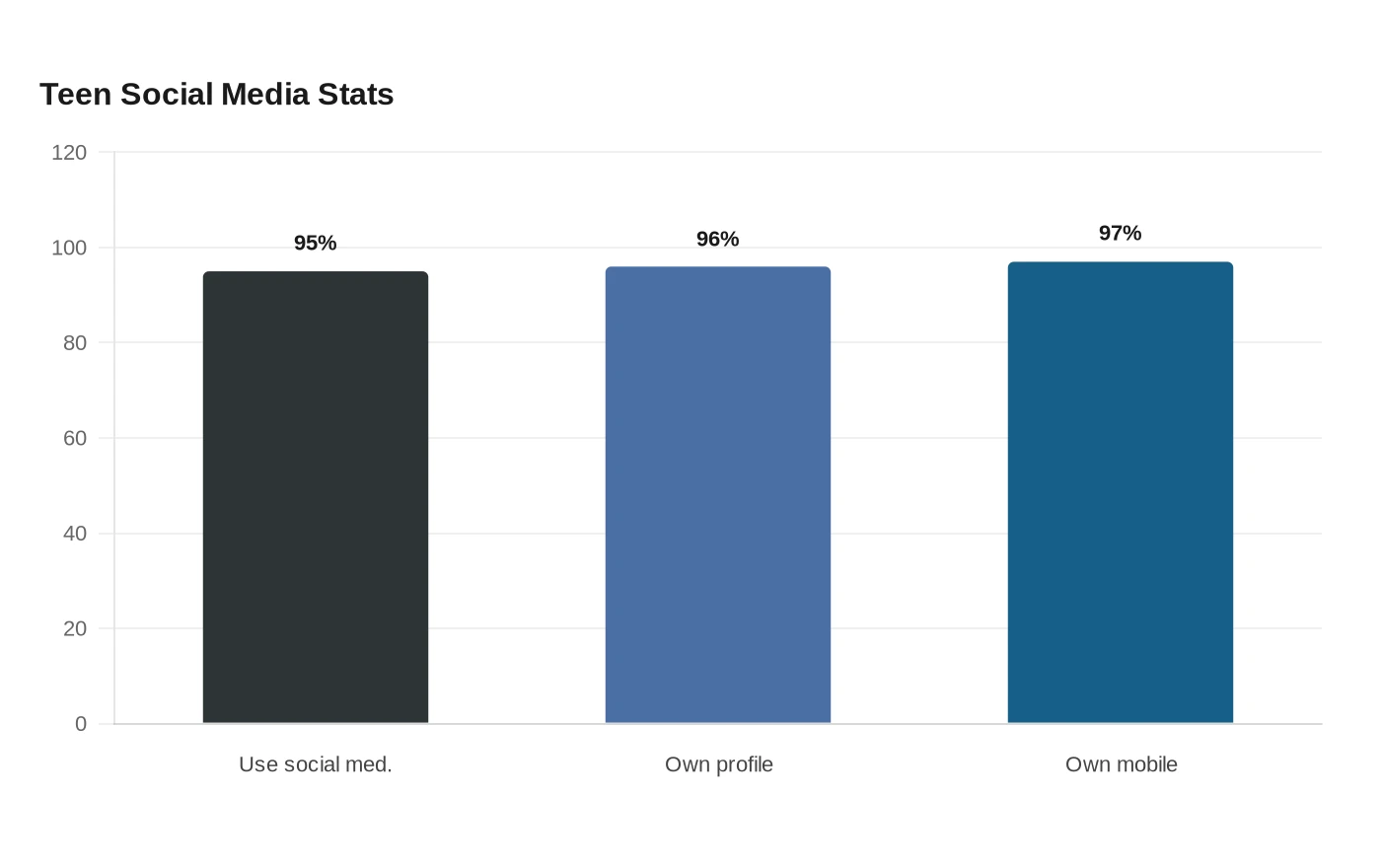
The data helps explain why enforcement is so fraught. Ofcom’s 2025 research found that 95% of UK 13-to-15-year-olds use social media, 96% have their own profile and 97% own a mobile phone. A House of Commons Library briefing said Ofcom also found that 22% of 8-to-17-year-olds with a social media profile had entered an age of at least 18, a sign that age checks are already easy to evade.
That challenge sits at the centre of the government’s consultation on children’s social media use, which opened on 2 March 2026 at 10:30am and closed at 11:59pm on 26 May 2026. Ministers said they were considering a wider package that also touched AI chatbots, gaming and possible social media curbs, but campaigners say the debate risks drifting toward the politically neat solution rather than the technically workable one.

Australia became the first country to pass a minimum-age law for social media, with restrictions taking effect on 10 December 2025 and requiring platforms to take reasonable steps to stop under-16s holding accounts. The Australian government says the law is meant to protect young people from features that encourage excessive screen time and harmful content, yet UK campaigners warn that a rushed ban could simply push children into less visible corners of the internet.
In January 2026, 42 child protection charities, online safety organisations, academics and bereaved families backed a joint statement warning that a blanket under-16 ban could have unintended consequences and would not meaningfully improve children’s safety or wellbeing. The Molly Rose Foundation, created in memory of Molly Russell, who died aged 14 in 2017 after viewing harmful online content, says safer, more age-appropriate design remains the harder but more credible fix.
Sources
- [1]bbc.com
- [2]ca.news.yahoo.com
- [3]mollyrosefoundation.org
- [4]commonslibrary.parliament.uk
- [5]ofcom.org.uk
- [6]gov.uk
- [7]youth.gov.au
- [8]esafety.gov.au