Technology
China accuses US of AI hegemonism, warns of countermeasures
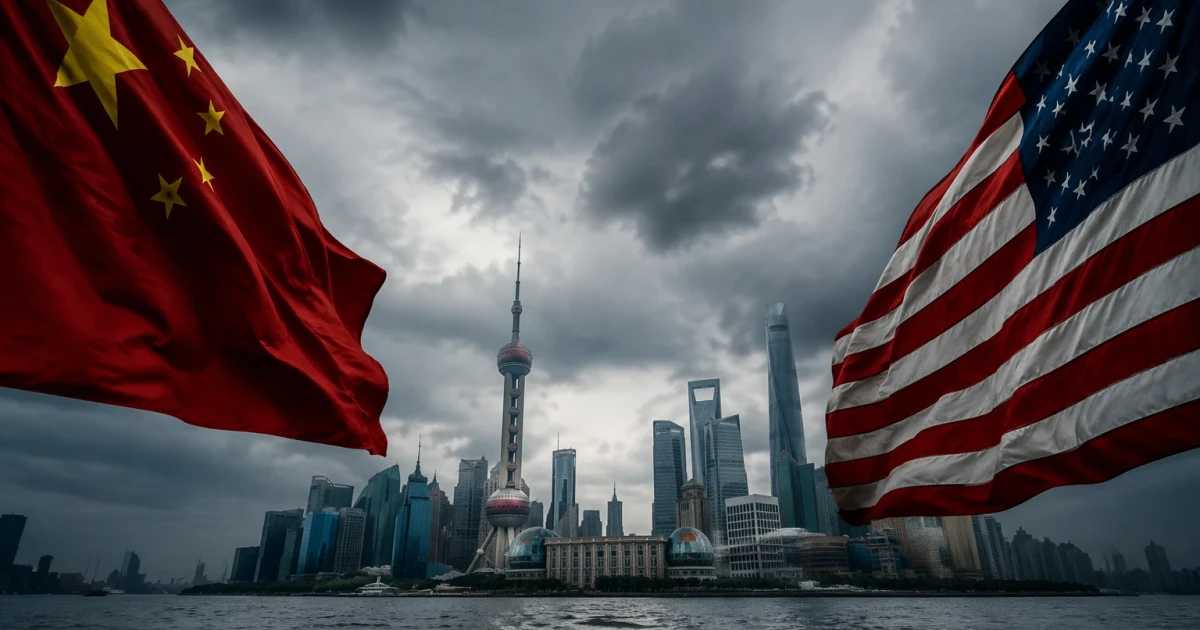
China's commerce ministry on July 27 accused the United States of "AI hegemonism" and warned of countermeasures after senior U.S. officials said Chinese AI companies faced possible probes. The language sharpened the technology fight between Washington and Beijing by putting artificial intelligence, not just trade, at the center of a contest over rules, chips, models and national-security risk.
The immediate flash point was a U.S. Commerce Department investigation into whether Chinese AI companies, including Moonshot AI, improperly accessed advanced U.S. AI chips and American models. The possible findings could lead to export restrictions or entity-list designations, two tools that can abruptly cut off access to U.S. technology and complicate business for firms tied to cross-border supply chains.
The dispute had already been escalating. On July 24, U.S. threats to sanction Chinese AI developers over alleged intellectual property theft and export-control violations risked unraveling AI safety efforts, showing how quickly security concerns were colliding with efforts to manage frontier models. In the same cycle, Beijing accused U.S. firms of using Chinese examples to train their models, turning the argument into a fight over data, model development and technology transfer on both sides.
China was also considering its own controls. On July 7, Chinese authorities met with top tech firms about potentially restricting overseas access to China's most advanced AI models, including systems not yet released. That would give Beijing another lever if Washington tightens scrutiny, and it raises the prospect of a more fragmented global AI market in which access to chips, compute and leading models is increasingly governed by national policy instead of open competition.
For American companies, the risk runs through the entire AI stack. Probes into chip access can hit suppliers and developers at the same time, while export restrictions and entity-list designations can force redesigns in sourcing and deployment plans. The exchange showed that AI has become a strategic sector where each new investigation can trigger countermeasures, and where the next round of restrictions could shape who builds the fastest models and who gets to use them.
Sources
- [1]reuters.com
- [2]aol.com
- [3]x.com
- [4]english.aaj.tv
- [5]firstpost.com