World
China adds 14 EU entities to export control list over Russia sanctions
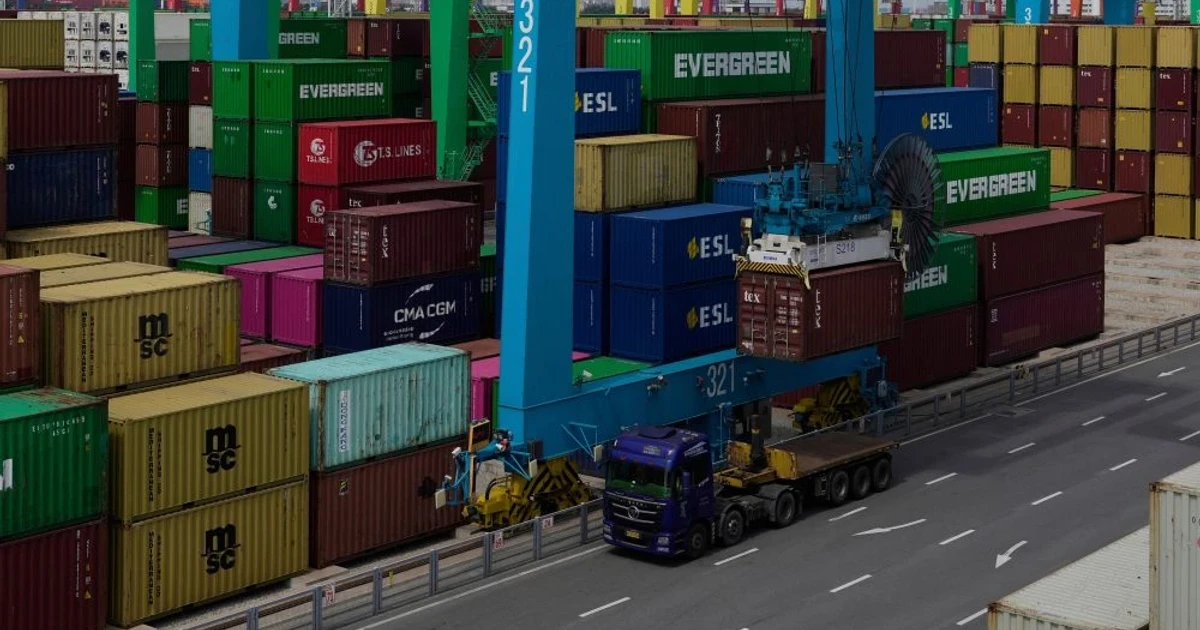
China added 14 European Union entities to its export control list on Friday, barring them from receiving dual-use items with immediate effect. The Commerce Ministry cast the move as retaliation after Brussels penalized 14 Chinese enterprises in its latest sanctions round against Russia.
The step raises the stakes of a sanctions fight that is no longer confined to Moscow. Export control listings can block access to goods, technologies and materials used in manufacturing and research, forcing companies to revisit licensing, contracts and delivery schedules. For European firms, that can mean higher costs, delayed shipments and a search for alternate suppliers.
The dispute sits inside a sanctions regime the European Union has maintained since March 2014, when Russia annexed Crimea and moved to destabilize Ukraine. That architecture has continued to expand as Brussels tries to pressure entities it sees as supporting Moscow’s war effort. On Oct. 22, 2025, the EU planned to list two Chinese oil refineries and one trader in a new Russia sanctions package, a sign that the tit-for-tat pressure between Europe and China had already moved beyond a single round of penalties.
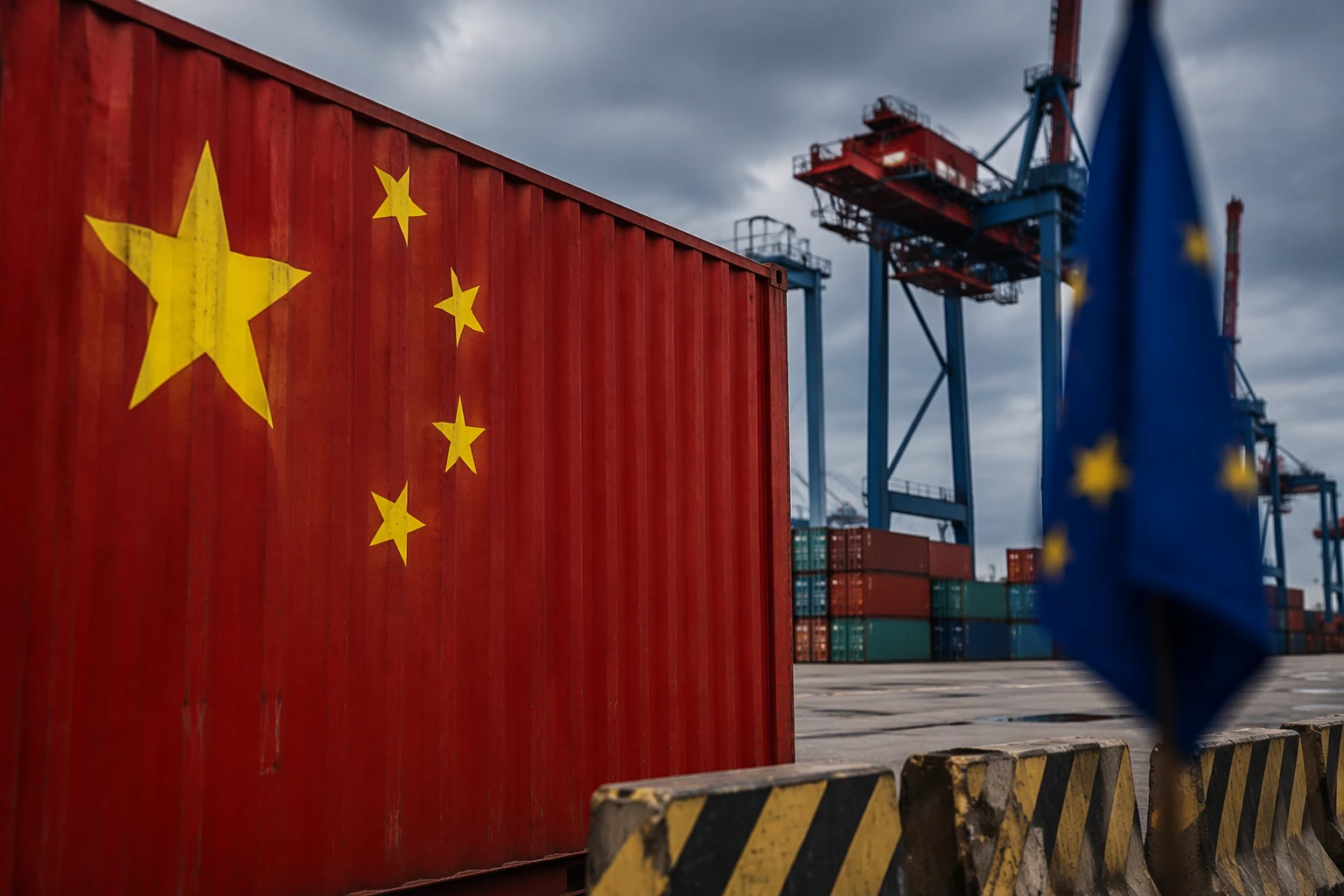
China’s response is not just symbolic. By reaching into trade and technology flows, Beijing is showing it can impose costs on European companies tied to sensitive industrial supply chains. The Commerce Ministry’s export-control move has immediate practical consequences for sectors that depend on dual-use inputs, including aerospace, defense and industrial equipment, where even short delays can disrupt production planning.
Business groups have already flagged the broader risk. A South China Morning Post survey found that one in three European firms in China hit by export controls planned to divert sourcing, while many braced for higher costs and long shipping delays. That kind of adjustment can be expensive and slow, especially for companies that rely on specialized components rather than easily substituted goods.
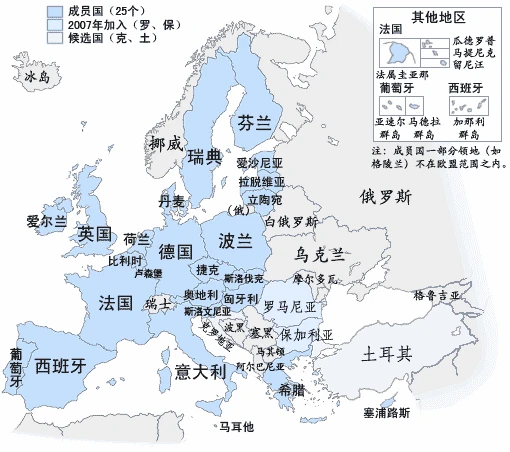
For the European Union, the latest Chinese measure underscores how sanctions aimed at Russia can trigger economic retaliation elsewhere. For China, it is a way of pushing back against what it sees as pressure on its firms and partners. The result is a more politicized trade environment, where export licensing and sanctions compliance now sit at the center of Europe-China relations.
Sources
- [1]reuters.com
- [2]ca.finance.yahoo.com
- [3]apnews.com
- [4]amp.scmp.com
- [5]scmp.com
- [6]data.europa.eu
- [7]globaltradealert.org