World
China adds MP Materials and USA Rare Earth to export control list
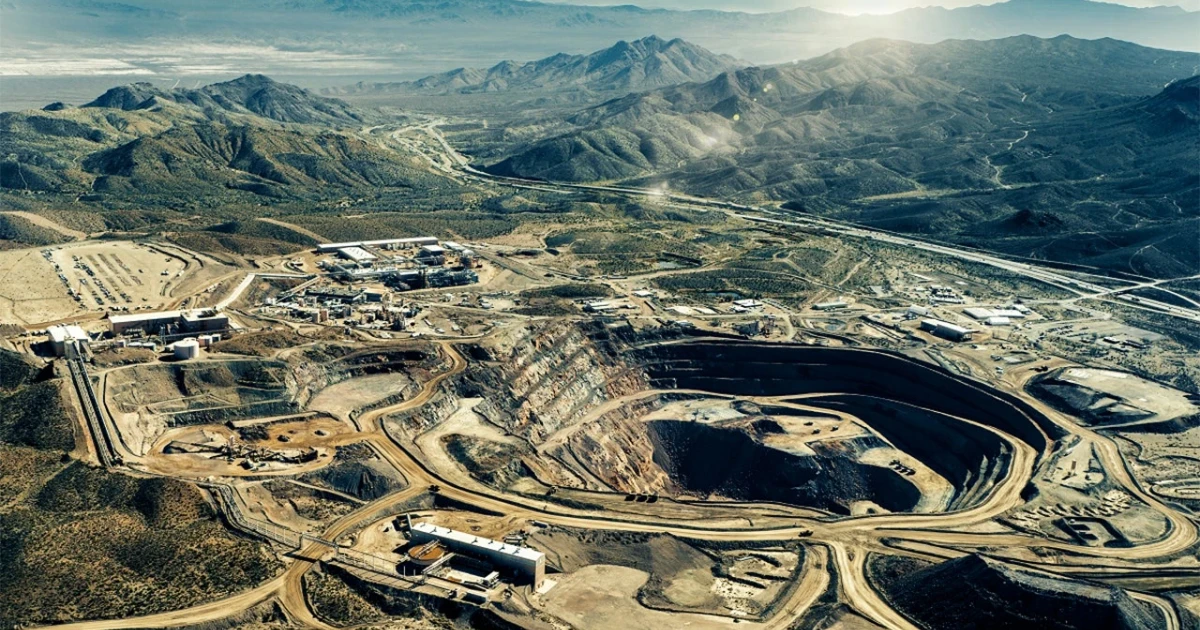
China widened its pressure campaign against the United States by adding MP Materials and USA Rare Earth to an export-control list that immediately blocked Chinese dual-use shipments to 10 U.S. entities. The move struck at the mine-to-magnet supply chain Washington has been trying to rebuild around domestic and allied sources, with direct implications for defense manufacturing, electric vehicles and other industries that depend on rare earth inputs.
The Commerce Ministry said export operators were prohibited from sending dual-use items to the named companies, which also included Aveox, Red Cat Holdings, Teal Drones, IMSAR, Jaia Robotics, Ball Aerospace & Technologies Corp., Oshkosh Defense and L3Harris Maritime Services. Beijing framed the action as retaliation for Washington’s recent restrictions on Chinese firms and said it was responding to what it called the wrongful expansion of the U.S. Chinese Military Companies list. The restriction took effect immediately.
MP Materials and USA Rare Earth sit near the center of the effort to reduce U.S. dependence on China for critical minerals, making the announcement especially significant for downstream buyers that need rare earths to make permanent magnets, guidance systems and other advanced components. MP Materials’ Mountain Pass, California operation has long been positioned as a cornerstone of that strategy, but the latest controls underscored how much of the broader processing and magnet ecosystem still remains vulnerable to Chinese leverage. Beijing’s separate Finance Ministry action, which barred government procurement of products made by 46 U.S. companies, added another layer of economic pressure. Chinese state media said the procurement list included Lockheed Martin, Raytheon Missiles & Defense and Boeing Defense, Space & Security, while the ministry said the measure did not apply to U.S.-invested companies operating in China.
The latest retaliation followed a U.S. Department of Defense update to its Section 1260H roster earlier this month. That June 8 update added Chinese firms including Alibaba, Baidu, BYD and NIO, and other reporting said the list reached 188 Chinese entities. George Chen of The Asia Group said China’s response looked proportionate to the Pentagon list, and analysts noted that several of the targeted U.S. companies do limited business in China. Even so, the symbolism was blunt: export controls are now being used not just to restrict trade, but to signal where each side believes the other’s industrial and military ecosystem is most exposed. China also defended its own critical-minerals controls days earlier as consistent with market rules and international trade norms, a sign Beijing is trying to cast the latest escalation as rule-based as well as retaliatory.
Sources
- [1]money.usnews.com
- [2]english.scio.gov.cn
- [3]cnbc.com
- [4]cnbctv18.com
- [5]wsls.com