World
China and Japan clash over whether foreign ministers met at ASEAN
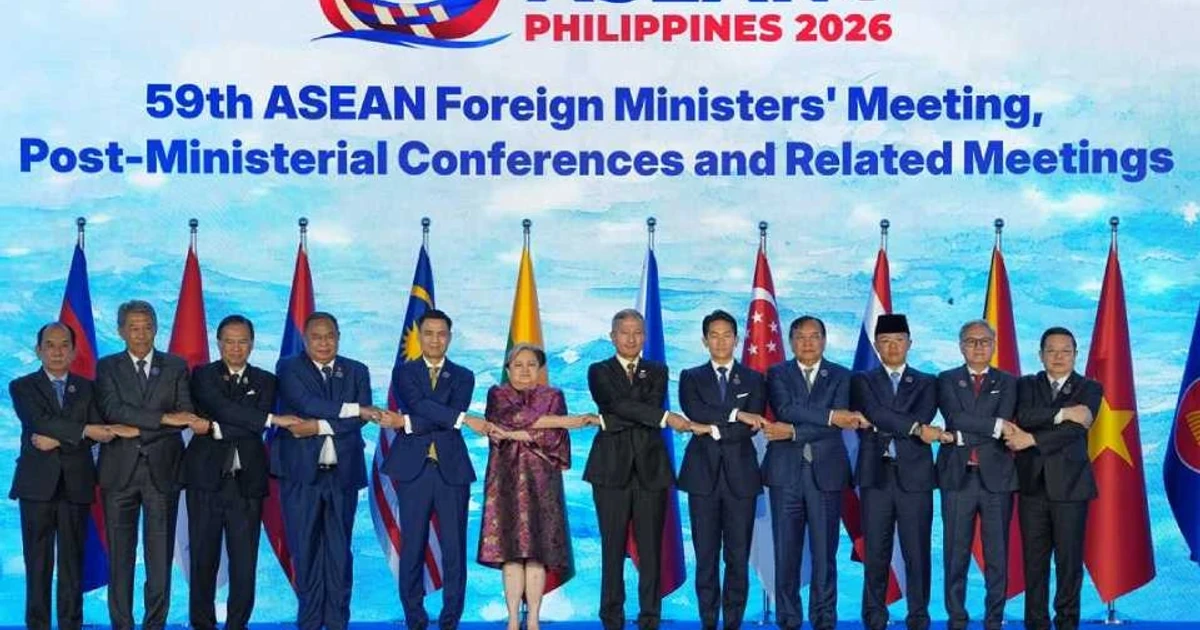
China and Japan clashed over whether Foreign Minister Toshimitsu Motegi and Wang Yi spoke on the sidelines of ASEAN meetings in Manila, turning a brief encounter into a public signal about how the two powers manage their rivalry. Japan said Motegi briefly discussed bilateral relations with Wang when they ran into each other during the gathering; China denied there had been any scheduled meeting or substantive exchange.
The dispute unfolded around the ASEAN-related Foreign Ministers’ Meetings in Manila, where Japan’s foreign ministry says Motegi was present from July 21 to July 24, 2026. Its schedule shows the ASEAN-Japan Foreign Ministers’ Meeting began at 12:10 p.m. local time on July 22 and lasted about one hour, underscoring how tightly choreographed the week’s diplomacy was. The ministry also lists a separate Japan-China Foreign Ministers’ Meeting on July 26, showing that formal contact between Tokyo and Beijing was taking place in the same period even as both sides contested the significance of the Manila interaction.
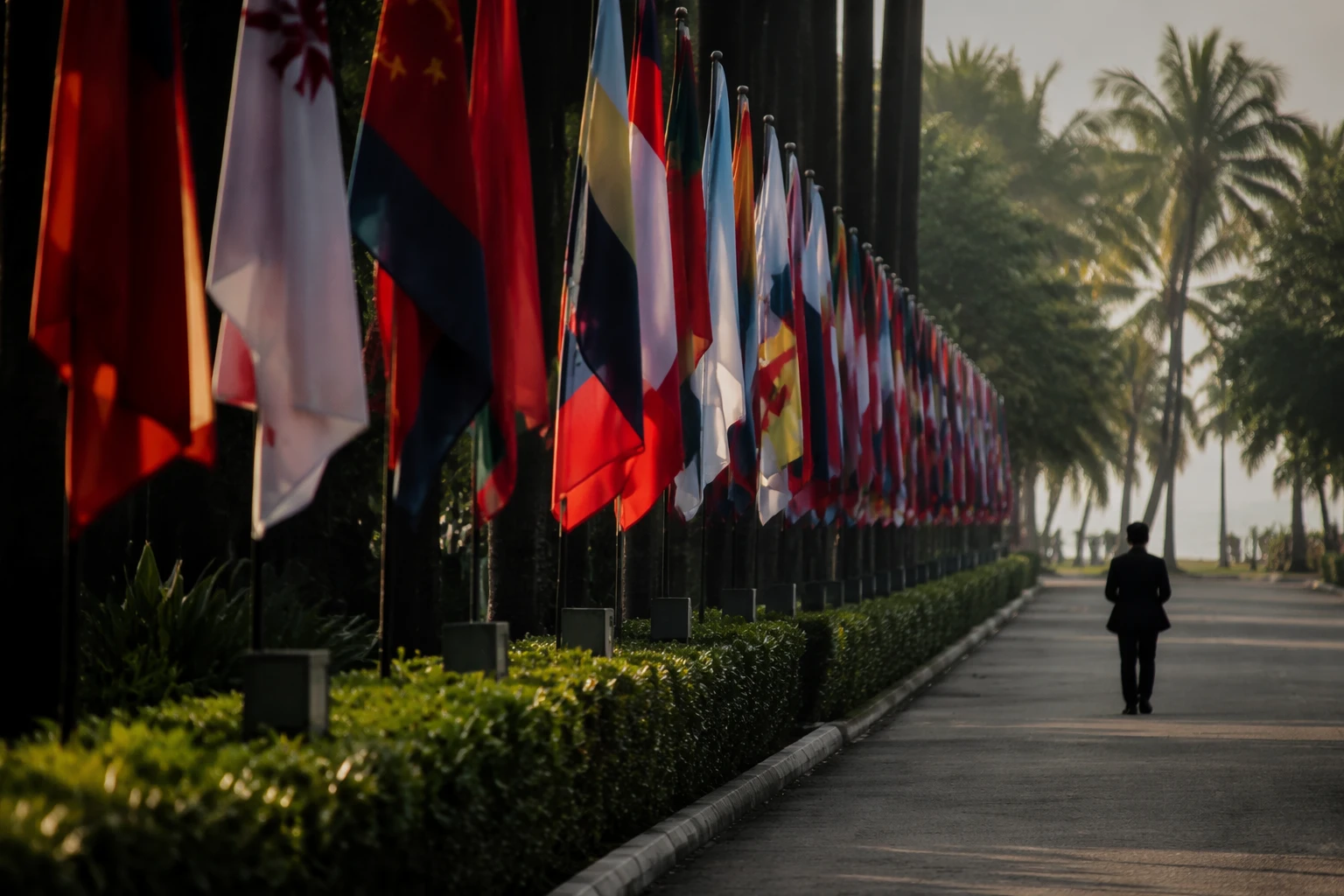
That argument matters because ASEAN remains one of the few regular venues where Chinese and Japanese officials are in the same room with other regional leaders. The meetings in Manila drew high-profile visitors and focused on regional security concerns, while Philippine Foreign Secretary Maria Theresa Lazaro said ASEAN stayed centered on its Five-Point Consensus on Myanmar and discussed the possibility of appointing a longer-term special envoy. In that setting, even a short hallway exchange between Motegi and Wang carried weight as a measure of whether crisis-management channels were open.
Beijing’s public messaging during the ASEAN meetings added to the significance of the dispute. China’s foreign ministry press conference page dated July 23 and Global Times coverage dated July 24 showed Beijing emphasizing regional cooperation and urging outsiders to stop stirring tension. That posture fit a broader pattern in which China and Japan use multilateral meetings not only to talk, but to shape how the region reads their ties.
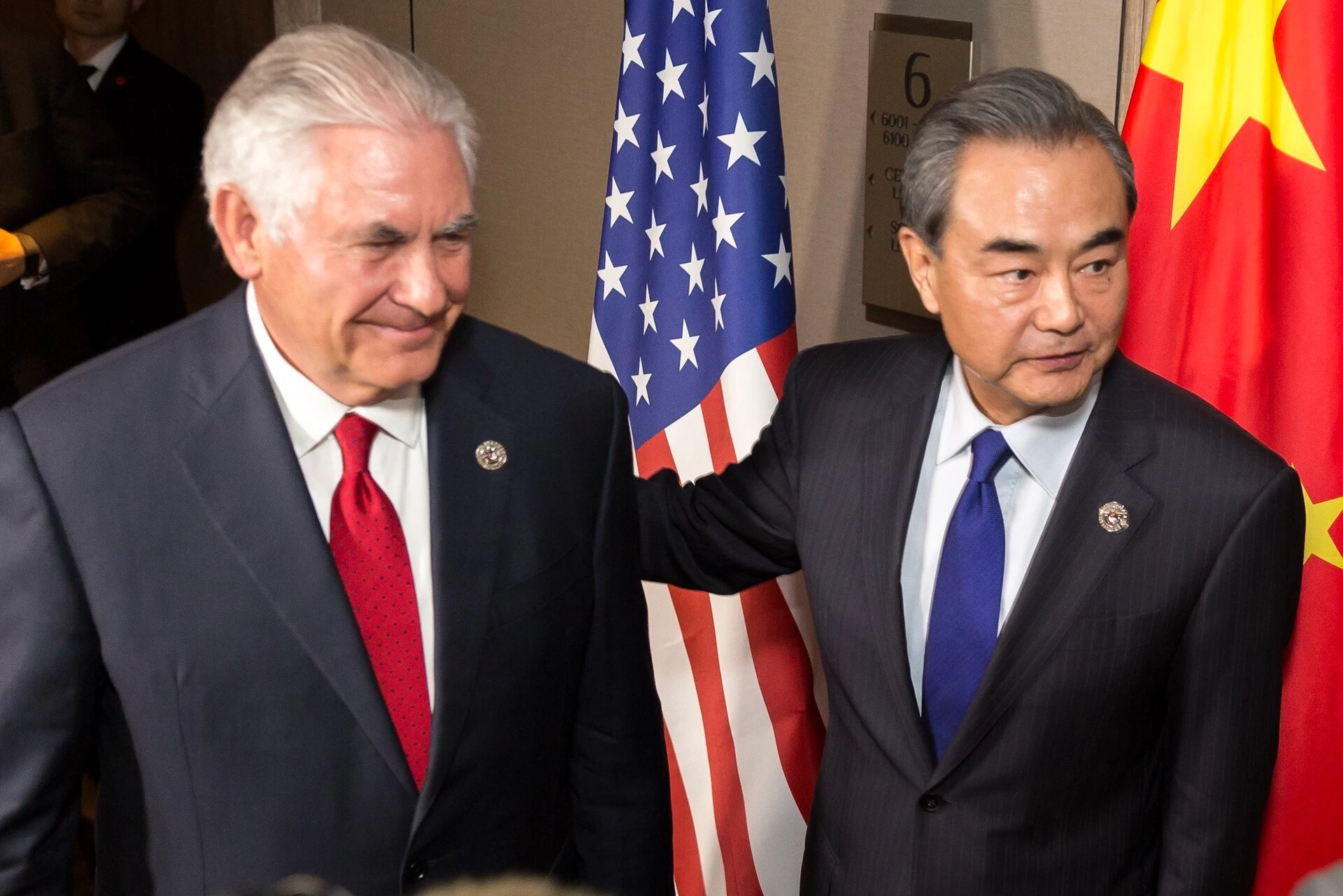
The disagreement also reflected the deeper friction behind the two countries’ diplomacy. China and Japan remain major economic powers, but their relationship is shaped by security concerns, history disputes, territorial tensions and competition over influence in the Asia-Pacific. When the two governments cannot even agree on whether a conversation took place, the message to allies, markets and regional partners is that every contact is still politically loaded.
Sources
- [1]apnews.com
- [2]washingtonpost.com
- [3]mofa.go.jp
- [4]fmprc.gov.cn
- [5]globaltimes.cn
- [6]youtube.com