US News
China Announces Major Boeing Jet Purchase
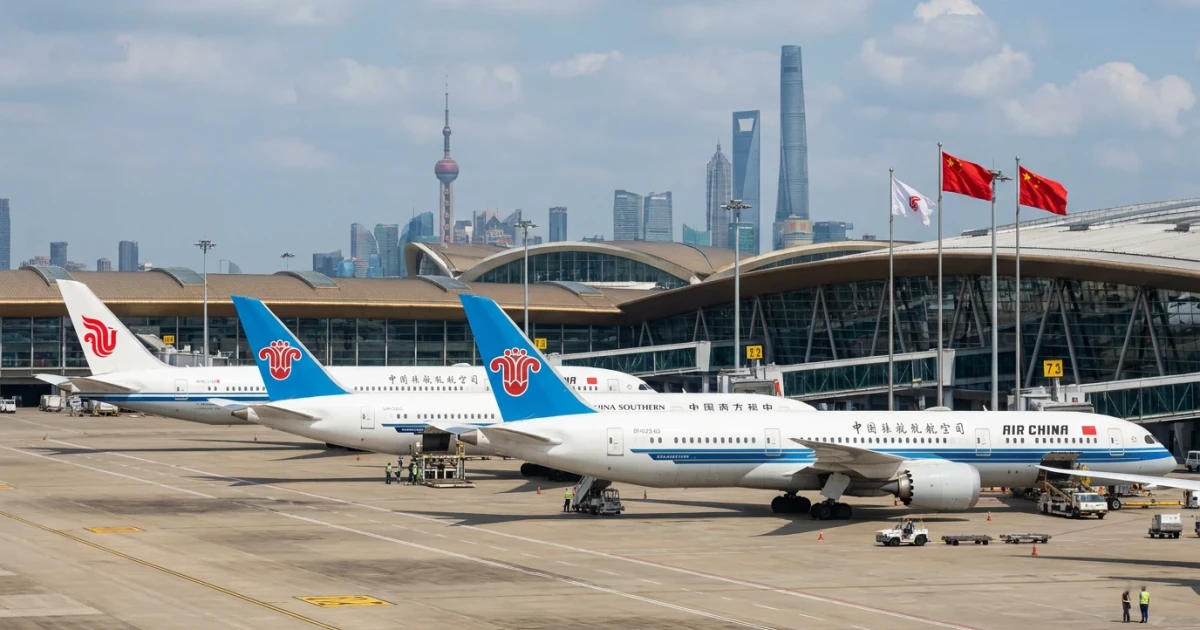
China is poised to significantly expand its commercial aviation fleet with a proposed purchase of up to 200 Boeing jets, according to statements by former U.S. President Donald Trump. The deal, which Trump suggested could eventually grow to 750 aircraft, marks a major development in U.S.-China trade relations and the global aerospace industry. However, specifics about the agreement remain largely undisclosed, leaving industry analysts and stakeholders seeking further clarity.
Deal Overview and Industry Impact
The announcement, first reported by Reuters, comes amid renewed efforts to strengthen economic ties between the United States and China. Trump described the proposed deal as part of "fantastic trade deals" with China, touting its scope but providing few concrete details on the terms or timeline of the purchases. Industry observers note that the potential sale of 200 jets would represent one of the largest single orders in Boeing’s history, with an eventual rise to 750 aircraft offering a substantial boost to the U.S. aerospace sector.
- Boeing is a leading supplier of commercial aircraft worldwide, with large-scale orders contributing significantly to its revenue and global market share.
- China’s aviation market is among the fastest-growing globally, with fleet size expanding rapidly to meet increasing passenger demand.
- The deal could reinforce Boeing’s position in China, competing with domestic manufacturer COMAC and European rival Airbus.
Trade Relations and Strategic Implications
Trump’s remarks highlight a strategic push to bolster U.S. exports and strengthen trade partnerships with China. While the proposed aircraft order could significantly raise U.S. exports of aircraft and parts, details on financing, delivery schedules, and specific model types have not been released. This lack of transparency has prompted calls for more information from both industry experts and government officials.
According to Reuters, the deal’s scale may reflect broader efforts to address trade imbalances and support American manufacturing. The potential for the order to increase to 750 aircraft further underscores the importance of ongoing negotiations.
Market Reaction and Next Steps
- Boeing shares responded positively to the news, reflecting investor optimism about new business opportunities in China.
- Industry sources expect more information on contract specifics and timelines in the coming months.
- The deal must navigate regulatory approvals and potential geopolitical challenges, especially given recent tensions over technology and trade policy.
China’s Aviation Expansion
China’s rapid aviation growth has driven major aircraft procurement programs. The country’s commercial fleet has grown steadily, with ICAO statistics showing a surge in aircraft acquisitions to support domestic and international routes. Large-scale purchases from Boeing would further fuel this expansion, helping Chinese airlines meet rising passenger demand and modernize their fleets.
Boeing’s Commercial Market Outlook forecasts continued growth in China’s aviation sector, projecting substantial deliveries over the next two decades.
Unanswered Questions and Outlook
Although Trump’s announcement has drawn attention to U.S.-China trade opportunities, the absence of detailed contract information leaves several questions unanswered:
- Which Chinese airlines will receive the aircraft?
- What models will be included in the order?
- How will financing and deliveries be structured?
As the industry awaits further announcements, the proposed deal signals both optimism and uncertainty for U.S. manufacturers and global aviation stakeholders. The outcome will depend on ongoing negotiations, regulatory review, and broader geopolitical dynamics.
For now, the prospect of China acquiring hundreds of Boeing jets represents a promising step toward greater cooperation and commercial growth between the two nations, though much remains to be clarified before the full impact can be assessed.