World
China battles AI fake videos as typhoon and floods worsen
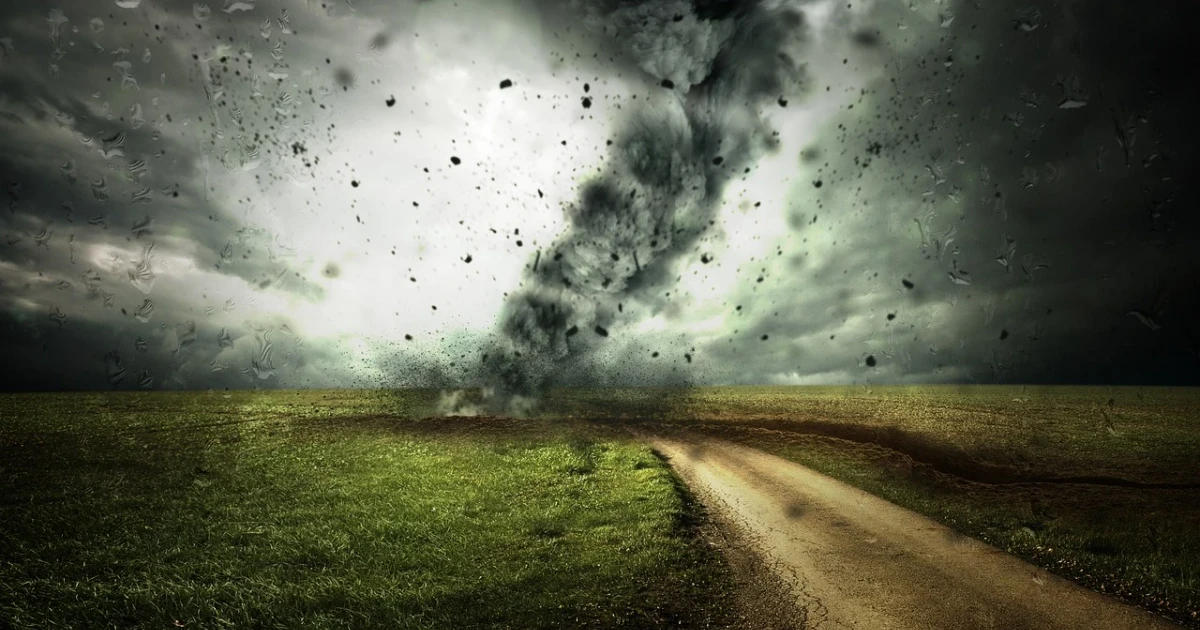
Typhoon Noul has added a new layer of risk for Chinese officials: dangerously misleading videos made with artificial intelligence and spread online during a weather emergency. Stephen McDonell said the problem has intensified as powerful storms and flooding over the past few months have already sent fake clips flooding social media.
Chinese state media has already been forced into the same fight. A screenshot in the BBC report showed CCTV debunking AI content, including material that had been marked as AI-generated, a sign that false disaster footage is no longer confined to fringe accounts or obvious hoaxes. The problem lands at the worst possible moment, when people are trying to judge whether a road is passable, whether floodwater is rising, or whether an evacuation warning is real.
China has already lived through the scale of damage that makes this issue more than an online nuisance. On 29 July 2025, at least 30 people died in Beijing and more than 80,000 were evacuated after heavy rain and floods tore through roads and houses in northern China. President Xi Jinping called for “all-out” rescue efforts and warned authorities to prepare for “worst-case and extreme scenarios,” underscoring how quickly a weather disaster becomes a state response problem when lives, transport and communications are all under pressure.
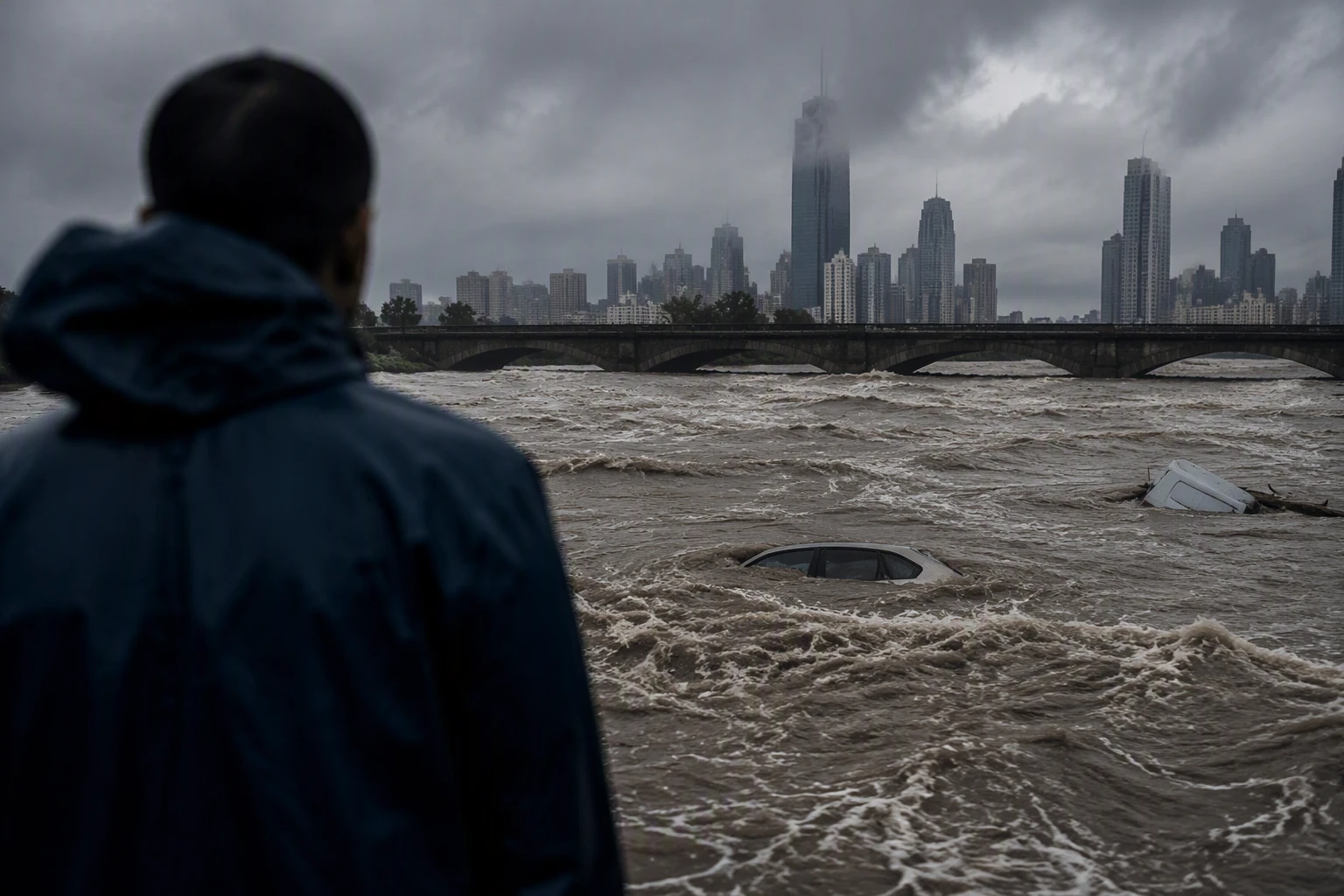
Officials are also trying to prepare people for the next round of storms before the next emergency hits. Reuters reported on 20 July 2026 that a disaster training center in Hangzhou was offering typhoon and flood simulations for participants facing increasingly frequent extreme weather events in China. That effort reflects a broader reality in which climate-driven disasters are becoming more common, and the volume of false digital content is rising alongside them.
The risk is especially acute in southern China, where severe flooding in Guangxi in July 2026 killed dozens and was followed by a staged drowning video that AFP fact-checkers said was falsely linked to the disaster. Cases like that show how fast fabricated material can travel once a storm starts, forcing investigators to check the source of a clip, the weather conditions in the frame, the timing of the upload and whether the scene matches the geography it claims to show. In a country where emergency warnings can determine who gets out in time, verifying a video has become part of disaster response itself.
Sources
- [1]bbc.co.uk
- [2]bbc.com
- [3]youtube.com
- [4]factcheck.afp.com
- [5]tbsnews.net
- [6]stratnewsglobal.com