Technology
China begins production of home-grown immersion DUV chip tools
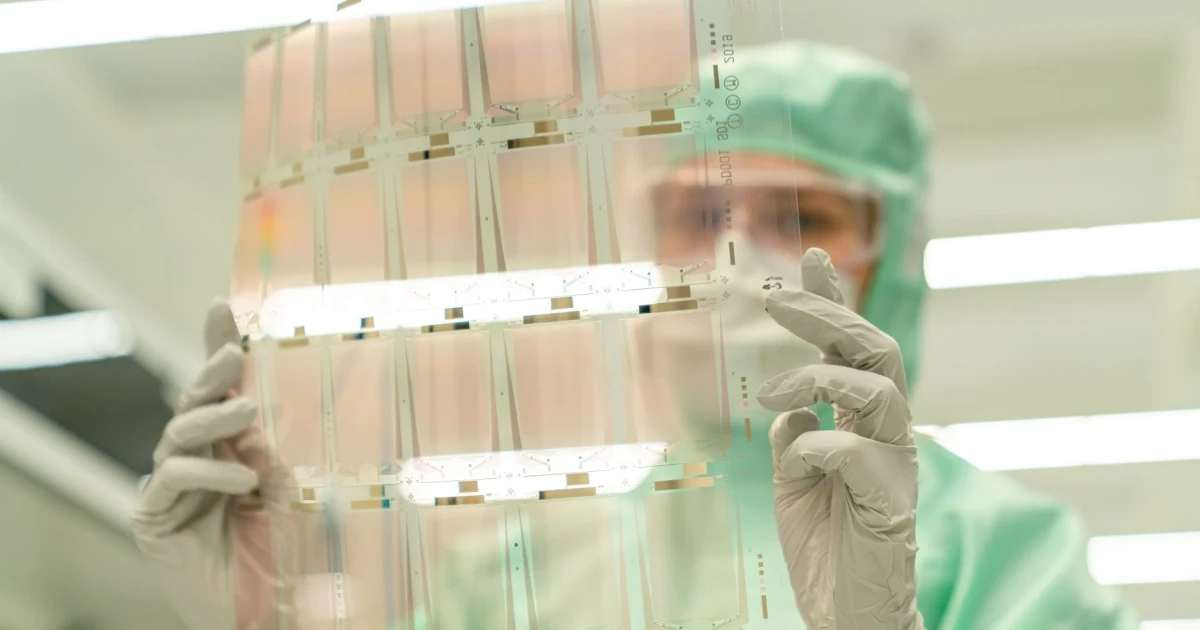
China has begun producing home-grown immersion DUV chipmaking tools, a move that pushes the country deeper into one of the most strategically sensitive parts of the semiconductor supply chain. The machines matter less as a leap to the frontier than as a way to reduce dependence on foreign equipment under U.S. export restrictions and broader geopolitical pressure.
Immersion DUV systems remain central to chip production across the industry, especially for mature-node semiconductors used in cars, consumer electronics and industrial equipment. They are not the most advanced lithography tools. That role belongs to extreme ultraviolet, or EUV, which is used for leading-edge chips, but DUV still does the heavy lifting for a large share of global output.
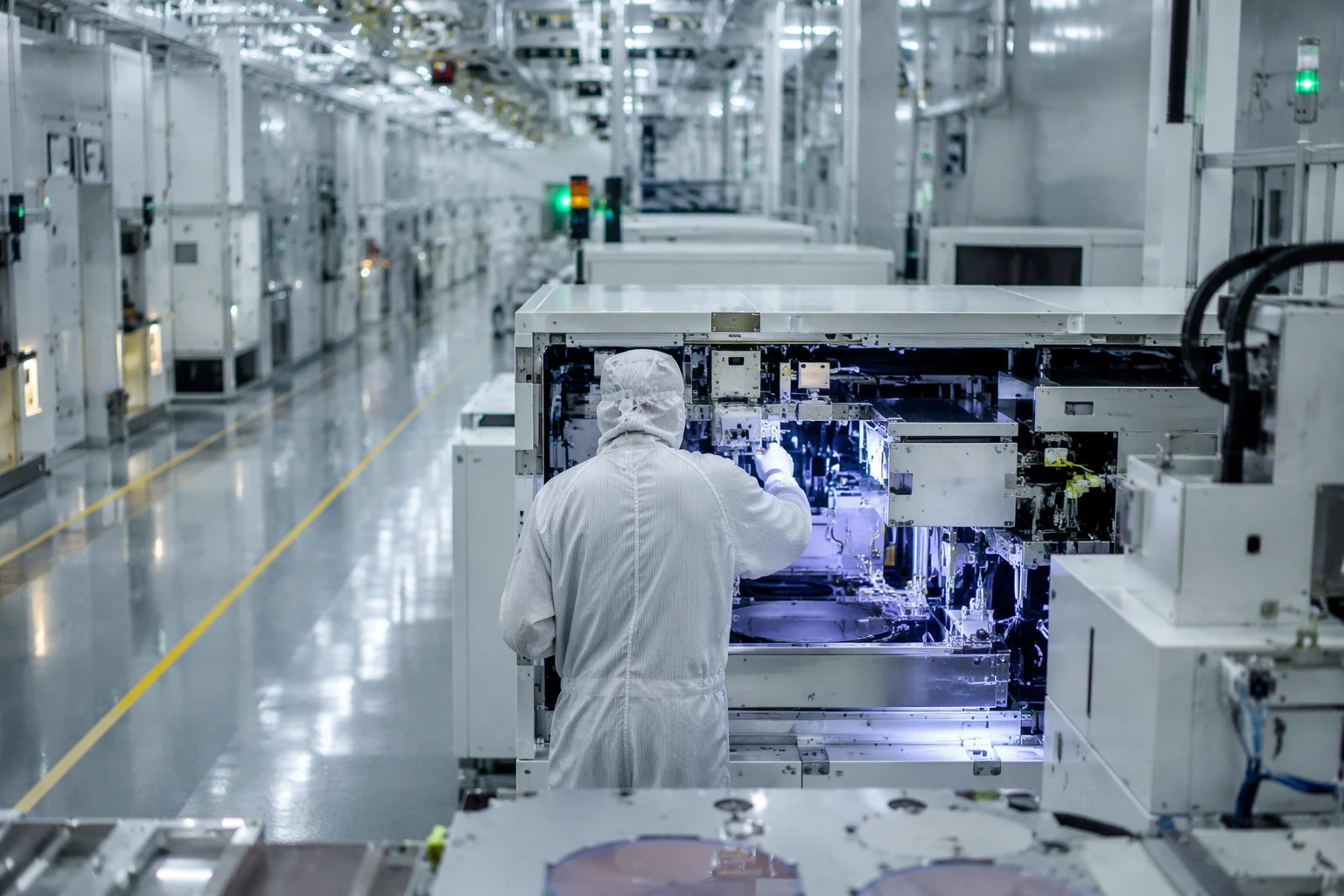
The start of production matters because it suggests the effort has moved beyond laboratory work and into manufacturing. For Chinese chipmakers, a domestic immersion DUV tool would mean more options in sourcing and less exposure to overseas rules that can disrupt equipment purchases, maintenance and long-term planning. For Beijing, it also fits a broader policy drive toward indigenous innovation and greater self-sufficiency in strategic technology.
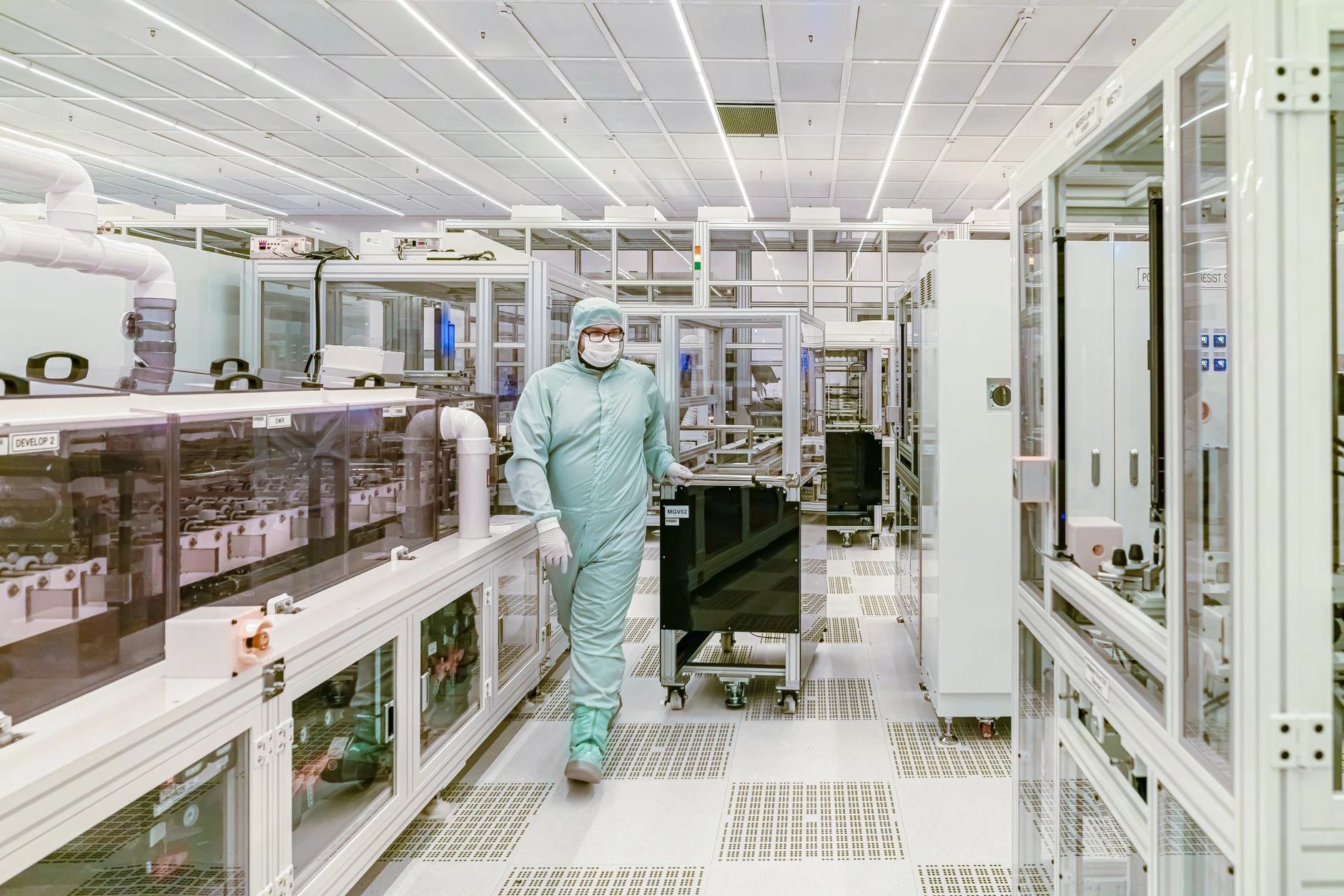
The development does not close the gap with the world’s most advanced chipmaking systems, and it does not change the fact that EUV remains the benchmark at the cutting edge. But it does show that China is pressing ahead in the lower and middle tiers of semiconductor equipment, where scale and reliability matter as much as headline performance. If domestic makers can build tools that hold up in factory use, they could give Chinese manufacturers more room to plan around export controls and supply shocks.
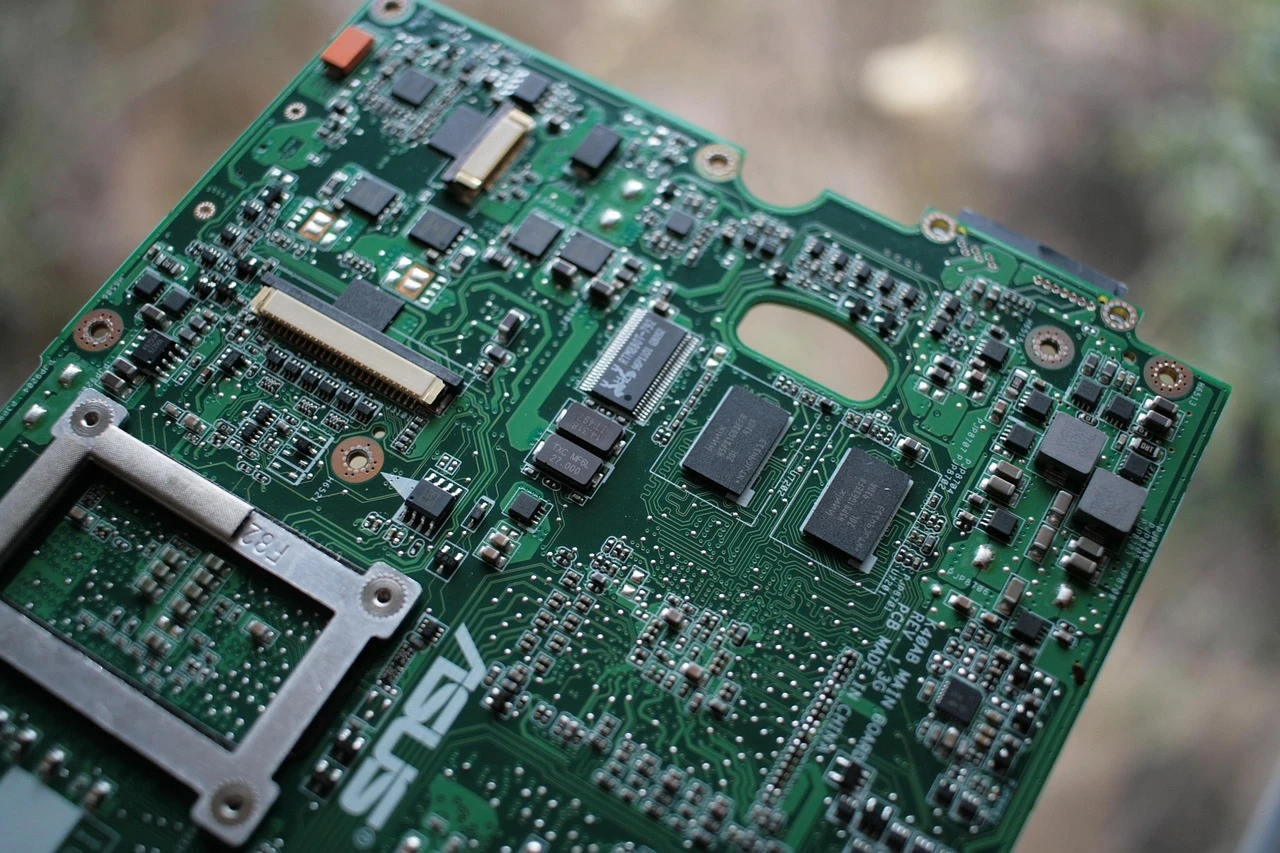
The global chip ecosystem has become more fragmented as governments and companies respond to tighter scrutiny and new incentives to localize production. That shift raises the stakes for every piece of equipment that can be made at home. In practical terms, the first domestic immersion DUV tools are not the end of China’s chipmaking challenge, but they are a concrete step toward less dependence on Western suppliers and a larger share of the industrial stack built inside China.