World
China blasts U.S. over Pentagon blacklisting of major firms
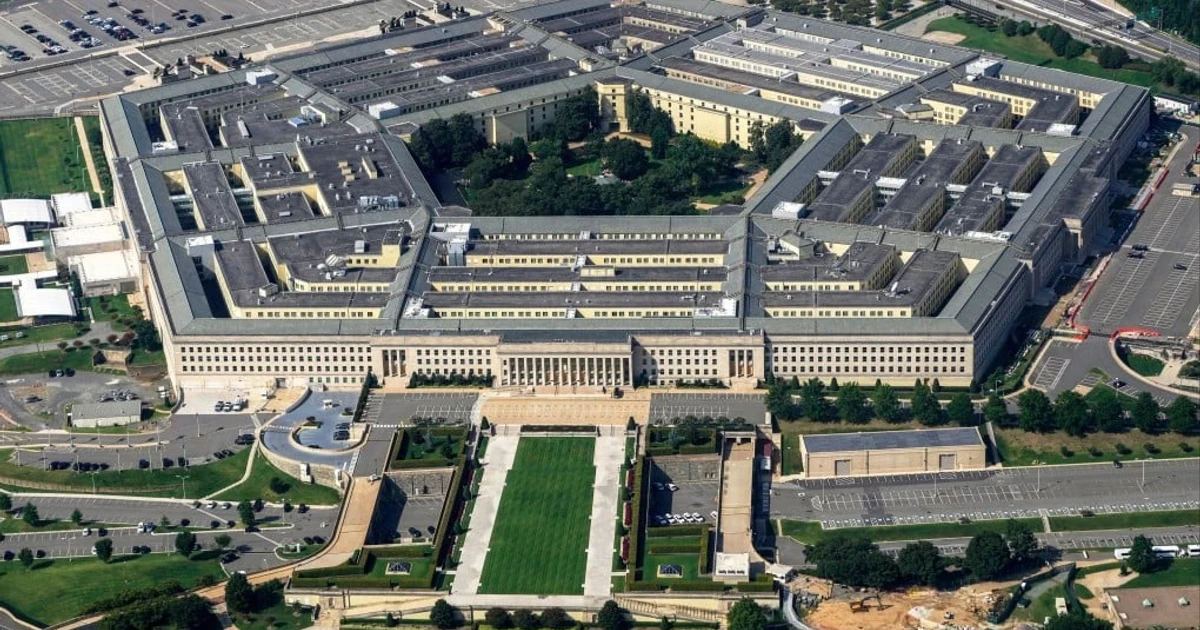
China sharply criticized Washington after the Pentagon widened a blacklist of Chinese companies it says are tied to the country’s military, a move that can cut off direct Defense Department contracting and tighten scrutiny of commercial ties well beyond the Pentagon itself. The updated Section 1260H roster grew to 188 entities and now covers names that sit at the center of China’s tech and industrial push, including Alibaba, Baidu, BYD, NIO, Trina Solar and JA Solar Technology.
The practical fallout is significant for American suppliers, contractors and investors with exposure to Chinese solar, electric-vehicle, battery, semiconductor, robotics, internet and biotech businesses. Companies on the list are barred from direct Pentagon contracting starting in 2027 and face limits on purchases routed through third parties, a restriction that can complicate procurement, financing and supply-chain relationships even though the designation does not automatically trigger sanctions. For fund managers and multinationals, the message is clear: Washington is treating more Chinese technology champions as national-security risks rather than ordinary commercial counterparts.
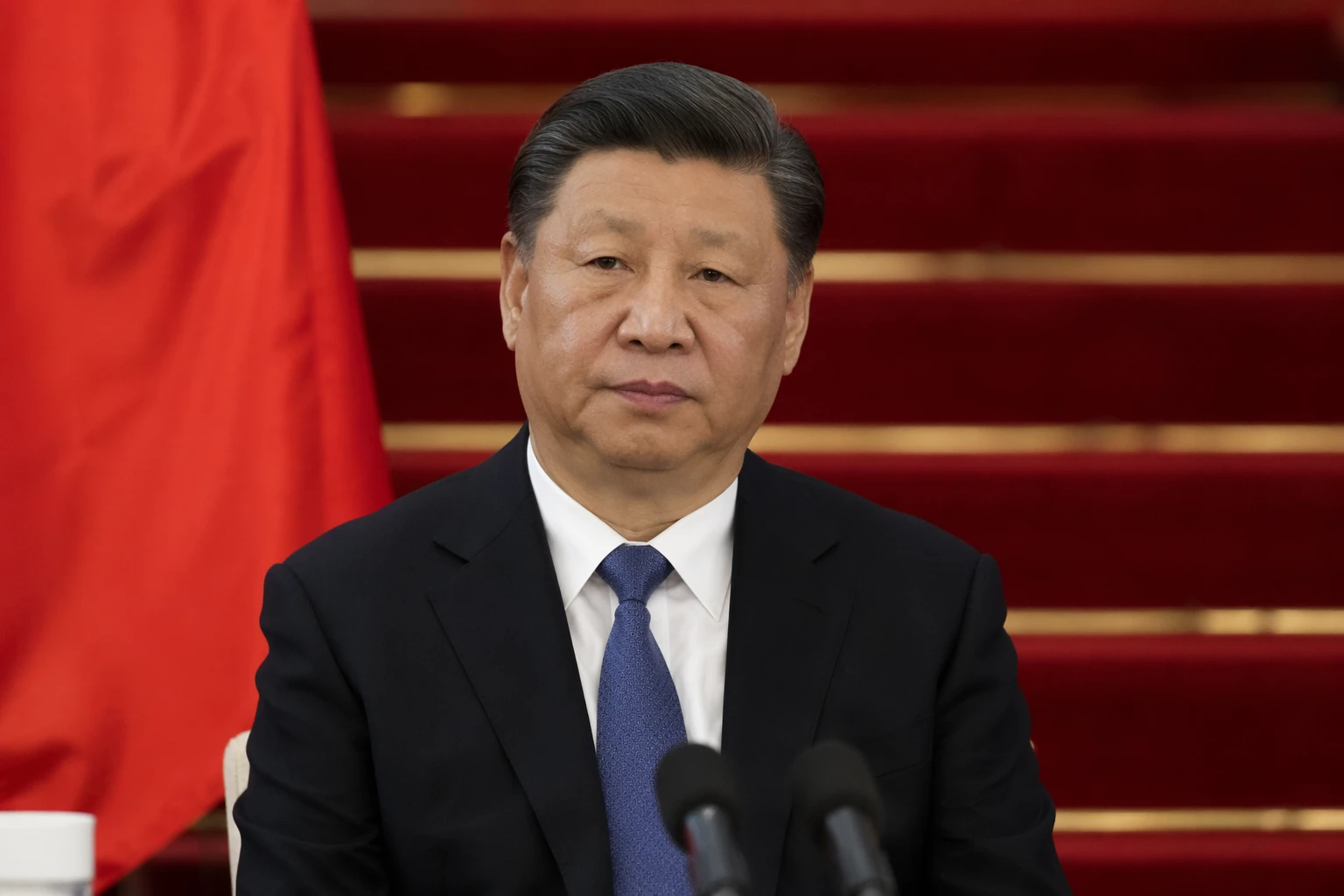
Beijing’s commerce ministry said the move was wrong and demanded that Washington withdraw it and return to a more constructive and stable relationship. The ministry warned that if Chinese firms are not treated fairly, Beijing would retaliate resolutely and forcefully. China’s foreign ministry also expressed concern, underscoring how quickly a procurement decision can spill into broader trade and diplomatic tension. The ministry said the Pentagon move “ignored the consensus” reached by the two leaders, a reference to the fragile truce both sides had been trying to preserve.
The June update came a month after Donald Trump and Xi Jinping met in Beijing, making the timing politically awkward and raising doubts about how durable that thaw really was. It also followed a brief February posting of a similar expanded list that the Defense Department later withdrew without explanation, a sign that the issue had already become politically sensitive inside Washington. The latest version says the listed firms met statutory criteria under Section 1260H because of alleged links to the State-Owned Assets Supervision and Administration Commission, the Ministry of Industry and Information Technology, the People’s Liberation Army or military-civil fusion programs.
Alibaba said there was no basis for its placement and said it would take legal action against attempts to misrepresent the company. For global markets, the broader signal matters as much as the names on the page: the U.S.-China competition is moving deeper into the machinery of capital, procurement and industrial policy, where blacklists increasingly shape who can sell, who can bid and who can grow.
Sources
- [1]money.usnews.com
- [2]media.defense.gov
- [3]scmp.com
- [4]carnewschina.com
- [5]yahoo.com