World
China boosts disaster relief after floods, landslides kill 21
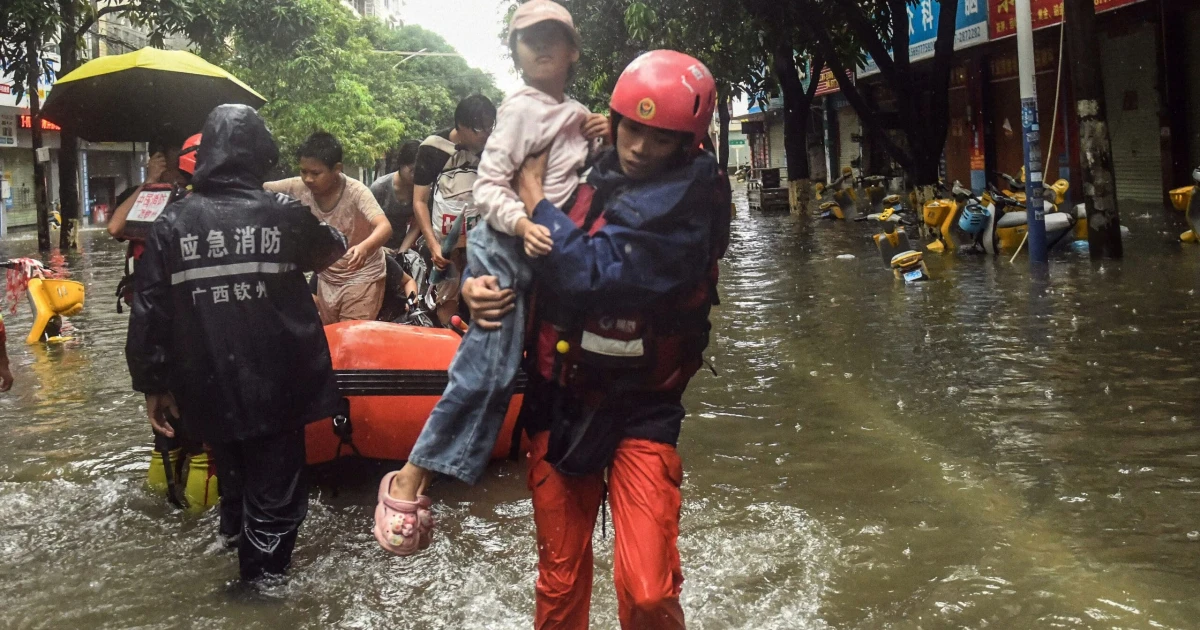
China’s finance and emergency ministries moved 50 million yuan into Hubei and Gansu on Wednesday as rescuers finished pulling survivors from a landslide that killed 21 forestry workers in northwest China. The response came as heavy rain, swollen waterways and unstable slopes strained emergency crews across multiple provinces, including Guangxi, where flood deaths and mass evacuations added to the pressure.
The landslide struck at about 6:56 a.m. on Tuesday, July 7, in Nanhe township in Tanchang County, Longnan city, Gansu province, burying 33 people in debris. By early Wednesday, all of them had been pulled out. Twelve survived, including seven with minor injuries, while 21 died. The workers were heading out to clear and maintain forest land when the slope gave way, and officials warned that the debris remained unstable and could slide again.
The central funding split the emergency response between immediate rescue and longer recovery. Hubei received 20 million yuan for relocation, resettlement and reconstruction of damaged homes, a sign that officials were already shifting from sheltering families to restoring permanent housing. Gansu received 30 million yuan for search and rescue, evacuation, geological disaster response and prevention of secondary disasters, covering the kind of follow-on risks that often linger after a mountainside collapse.
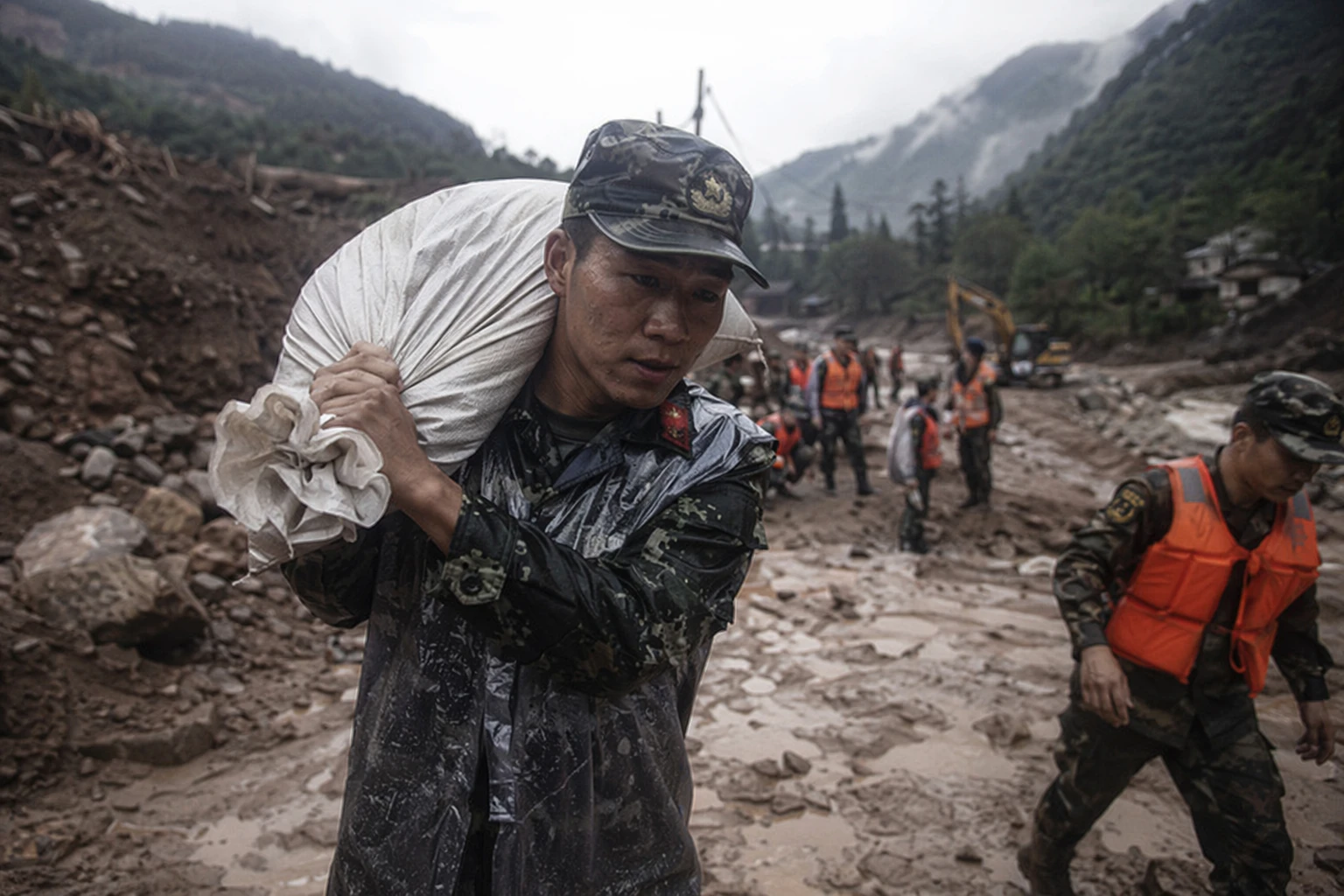
The landslide and the new funding underscored how Beijing’s disaster-response model is being tested by a summer of faster-moving and more geographically dispersed extremes. The challenge is not only reaching stranded residents quickly, but also clearing roads, restoring schools and rebuilding homes in places where flooding and landslides can cut off entire communities. In rural terrain, damage to a single road or river crossing can delay food, medical aid and reconstruction long after the initial rescue phase ends.
Farther south, Guangxi faced its own crisis. Record-breaking rain from the remnants of Tropical Storm Maysak killed six people and left 11 missing, while authorities said 130,000 people were forced to evacuate. Some hard-hit areas recorded more than 900 mm of rain, and villages were cut off by high water as residents waited for rescue. The scale and timing of the disasters showed how quickly summer storms can overwhelm local defenses, forcing Beijing to finance rescue, resettlement and rebuilding at the same time.