Technology
China boosts stock market support for quantum and AI startups
China widened stock-market support for startups in quantum technology, nuclear fusion and brain-computer interfaces, sharpening a policy push to send more capital into the country’s strategic technology race with the United States. The new steps also made it easier for large-model AI companies to raise money on the STAR Market, a move meant to keep more frontier-tech firms funded at home as private capital remains uneven.
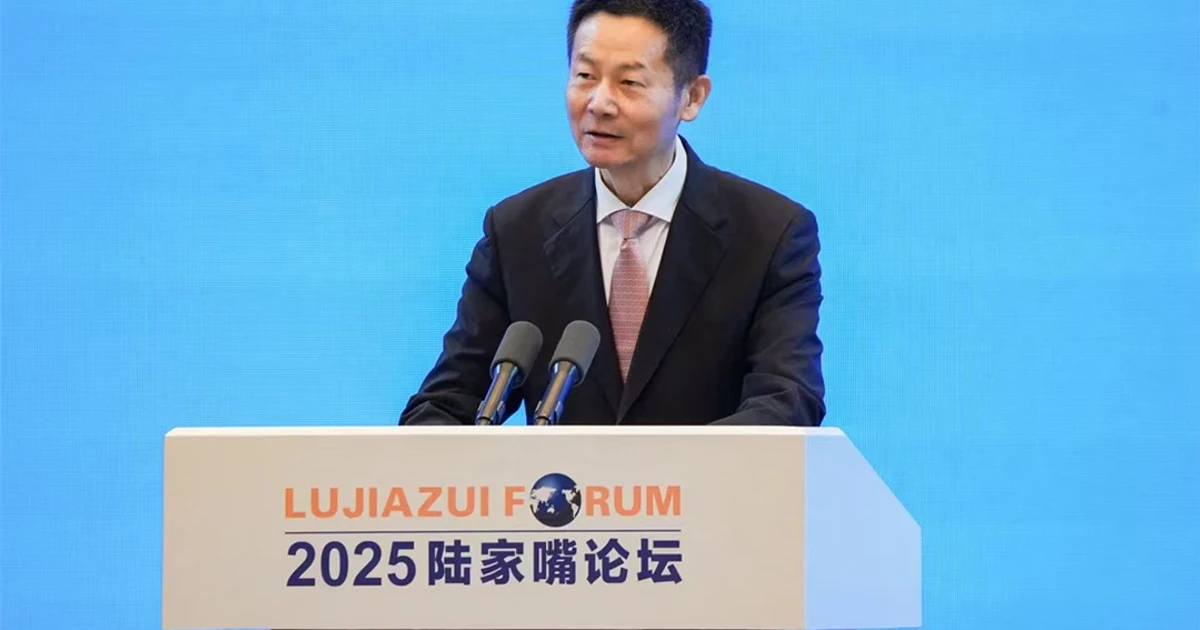
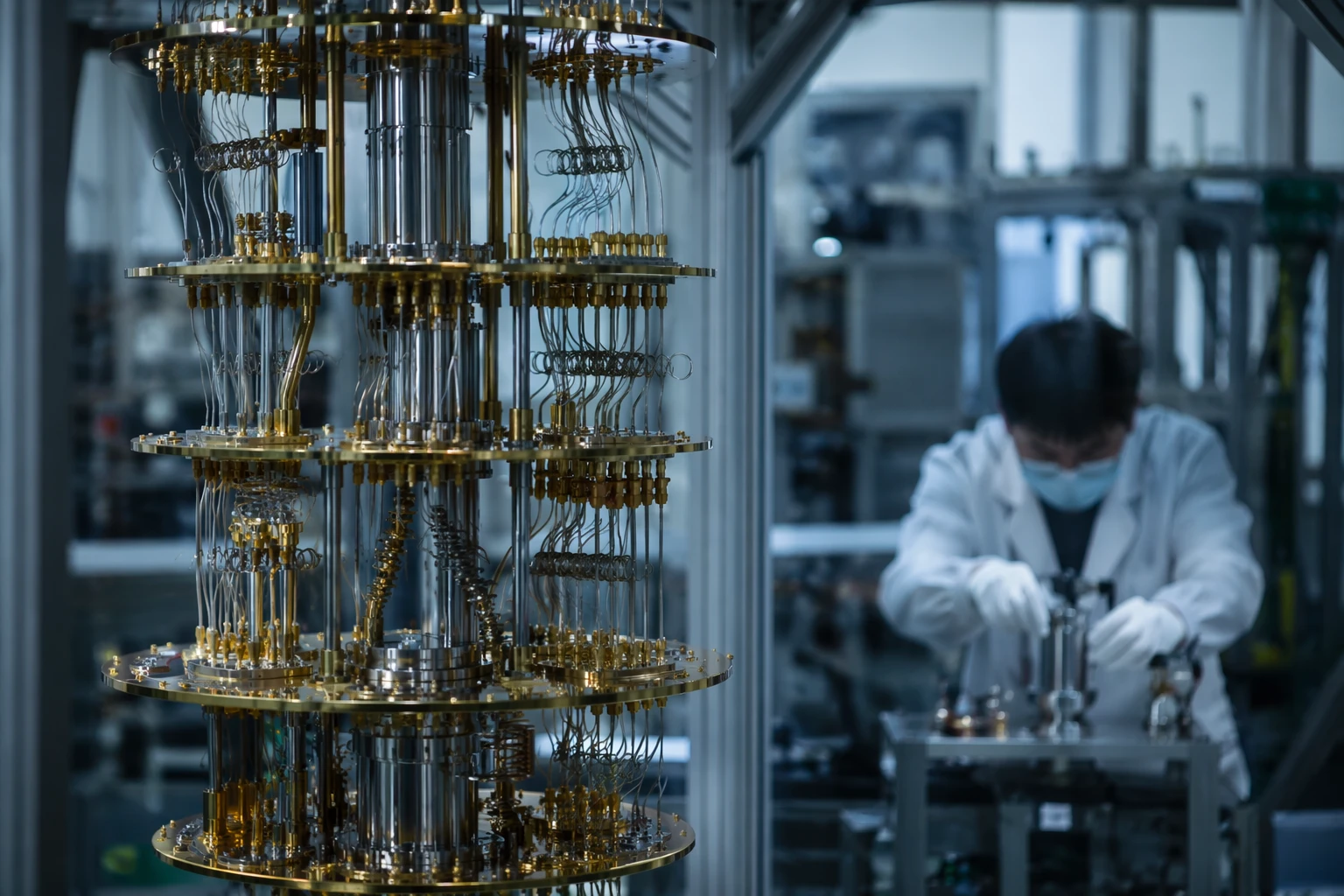
Wu Qing, chairman of the China Securities Regulatory Commission, said at the Lujiazui Forum in Shanghai that the regulator would support quality AI large-model enterprises in going public on the STAR Market. He also said the commission would back hard-tech listings in quantum technology, biomanufacturing and embodied AI, underscoring that Beijing is using public markets to steer money toward sectors it sees as nationally important. The emphasis on quantum, embodied AI and biomanufacturing fits directly into the government’s wider future-industries agenda, which also includes hydrogen, nuclear fusion power, brain-computer interfaces and 6G.
The numbers show how central technology has already become to China’s equity market. Xinhua reported that technology stocks now account for more than 30 percent of the total market capitalization of China’s A-share market. The STAR Market, China’s Nasdaq-style board in Shanghai, has been a policy focus for years: Beijing introduced fresh reform measures in June 2024, then rolled out a pilot pre-review mechanism in June 2025 for IPO applications from high-quality technology companies. Shanghai later said a growth tier would be added for unprofitable technology firms, creating a clearer path for companies that are not yet profitable but are still viewed as strategically important.
The latest move reflects more than a routine market tweak. Reuters linked the effort to intensifying competition between China and the United States in technology and capital formation, as Wall Street has drawn blockbuster IPOs from companies such as SpaceX, OpenAI and Anthropic. China’s response is to lean on its own stock markets as an industrial-policy weapon, channeling domestic savings toward advanced sectors that could underpin national capabilities over the next decade.

That strategy also reveals a practical concern: promising AI and deep-tech companies often need public-market financing before they can attract enough private backing. By loosening listing access for future-industry firms, Beijing is trying to convert policy support into actual IPO funding, stronger valuations and faster scaling, while keeping the next generation of strategic technology companies within its own financial system.