World
China braces for heavy rain as tropical storm Noul nears
China braced for heavy rain as tropical storm Noul edged closer, with weather authorities expecting the system to make landfall overnight between July 25 and July 26. Localized rainfall in eastern Guangdong and southern Fujian could reach 500 to 600 mm, a level that would quickly flood streets, overwhelm drainage and raise the risk of landslides in coastal and hillside areas.
Officials had already moved before the storm’s closest approach. China’s meteorological authorities activated a Level-III emergency response on July 23 for typhoon, heavy rain and severe convective weather, and Chinese reporting cited an orange typhoon alert, the second-highest level in the country’s four-tier warning system. Noul was described as the 12th typhoon of the year and the third tropical cyclone tracking close to China’s southern coast in July, a reminder of how compressed the weather risk had become for provincial emergency teams.
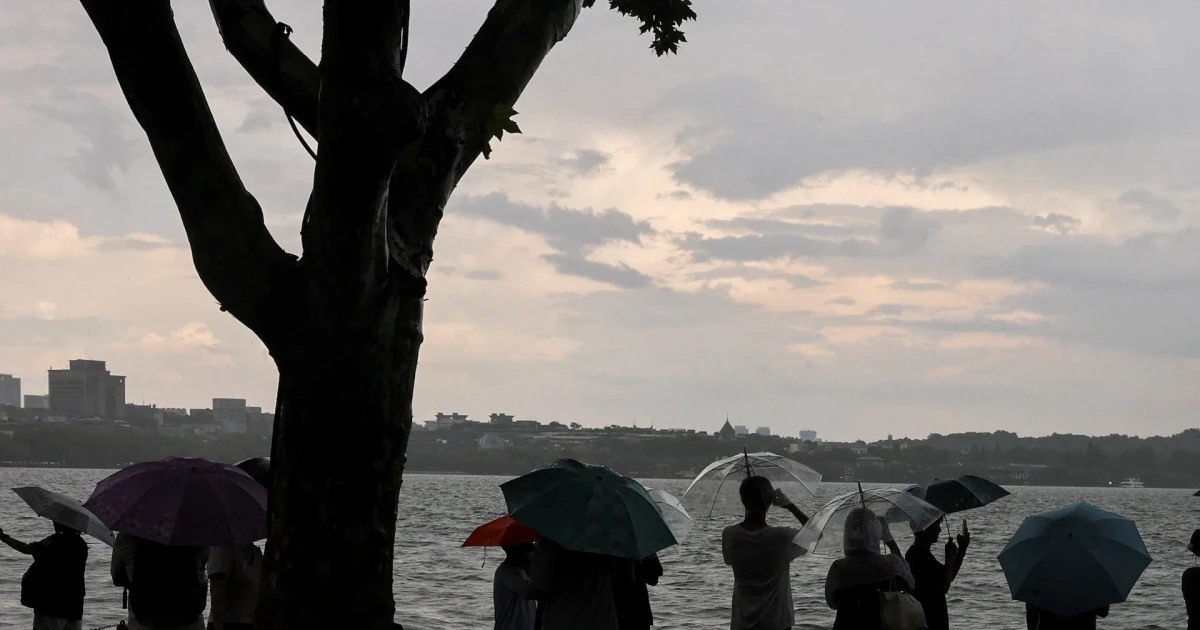
The first signs of disruption were already visible farther north and east. A rainstorm warning in Hangzhou, Zhejiang province, had sent people under umbrellas around West Lake on July 21, showing how a storm system can affect daily life well before a center reaches land. In the south, the bigger test was likely to fall on transport and logistics networks. Heavy rain across Guangdong and Fujian threatened rail lines, road traffic, shipping schedules and airport operations, while ports and distribution hubs could face delays if winds and downpours forced slower handling or temporary shutdowns.
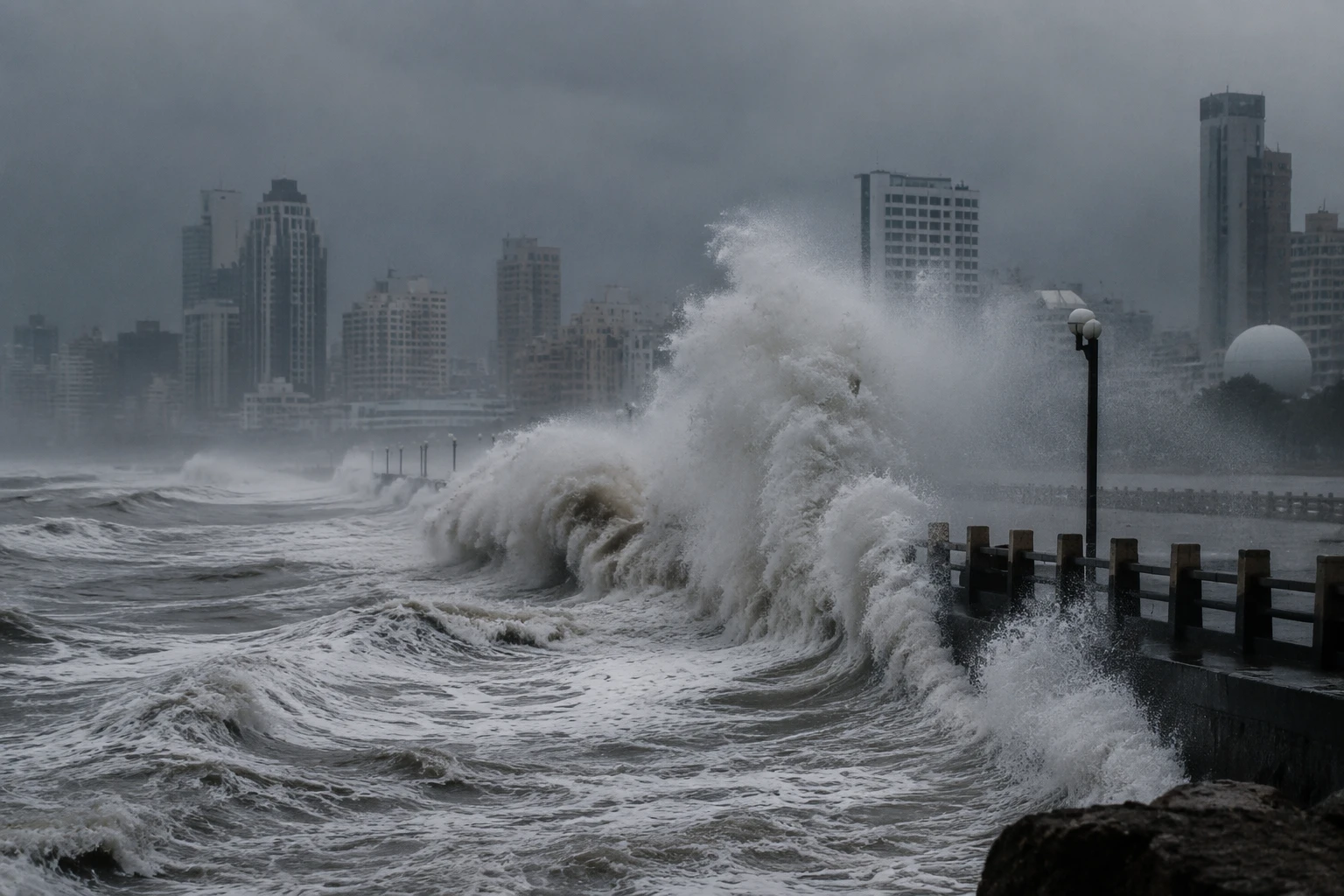
The stakes were not only urban. Farms, construction sites and low-lying industrial zones across eastern Guangdong and southern Fujian were exposed to waterlogging if the rain totals came in near the upper end of the forecast. When ground is already saturated, even a comparatively moderate tropical storm can trigger flash flooding, cut off roads and complicate rescue access, forcing local governments to stage shelters, drainage crews and traffic controls before the worst weather arrives.
The response suggested Beijing and provincial authorities were trying to get ahead of the storm rather than react after the first floods. With another tropical system pressing toward the south coast and the possibility of extreme localized rain, the next day and night left little margin for error in evacuation planning, public warnings and the protection of China’s transport arteries.
Sources
- [1]reuters.com
- [2]straitstimes.com
- [3]x.com
- [4]en.people.cn
- [5]bignewsnetwork.com
- [6]focustaiwan.tw
- [7]travelandtourworld.com
- [8]internazionale.it