Business
China cuts oil imports as war with Iran roils global market
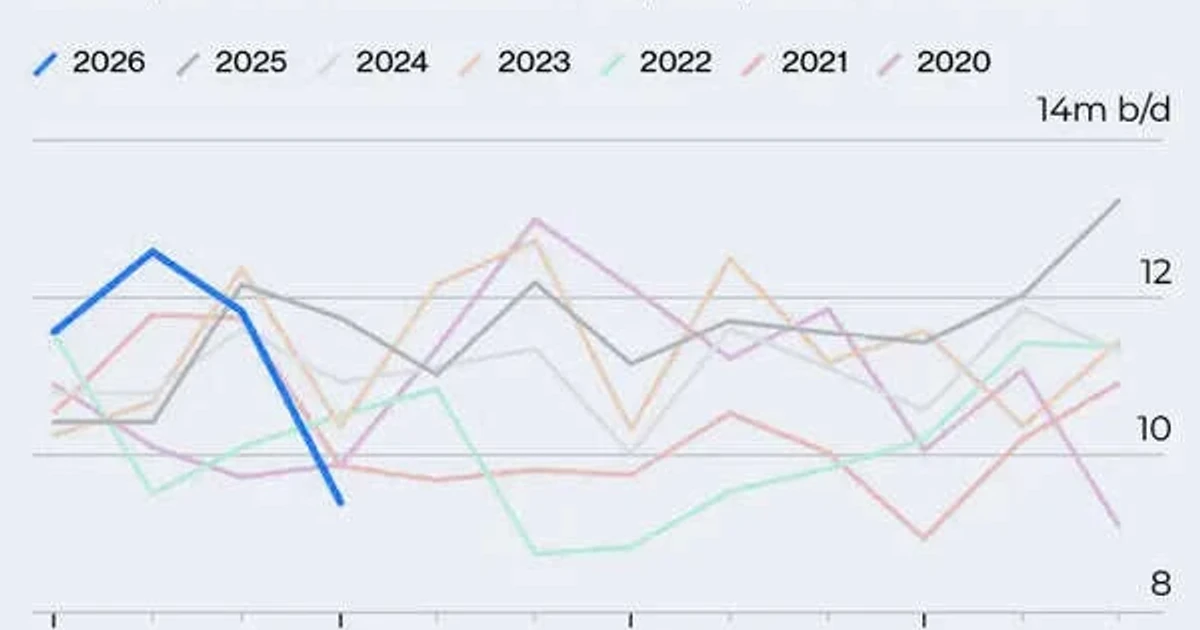
China can move oil prices even when it buys less. Three months into the war with Iran, the world’s largest crude importer sharply cut purchases, and that retreat helped cushion a global market already rattled by the biggest supply disruption in its history.
The key was not just fewer barrels on tankers. Traders watched China’s import data, refinery runs and stockpile behavior as a real-time signal of demand, and the signal was bearish. China’s crude imports fell to about 6.36 million barrels a day in May, the lowest level in more than eight years, while Sinopec’s April petrol sales dropped 8% from a year earlier and diesel sales fell 6%, according to industry sources. Instead of racing to replace lost cargoes, Chinese refiners leaned more heavily on refinery-held inventories and strategic stocks.
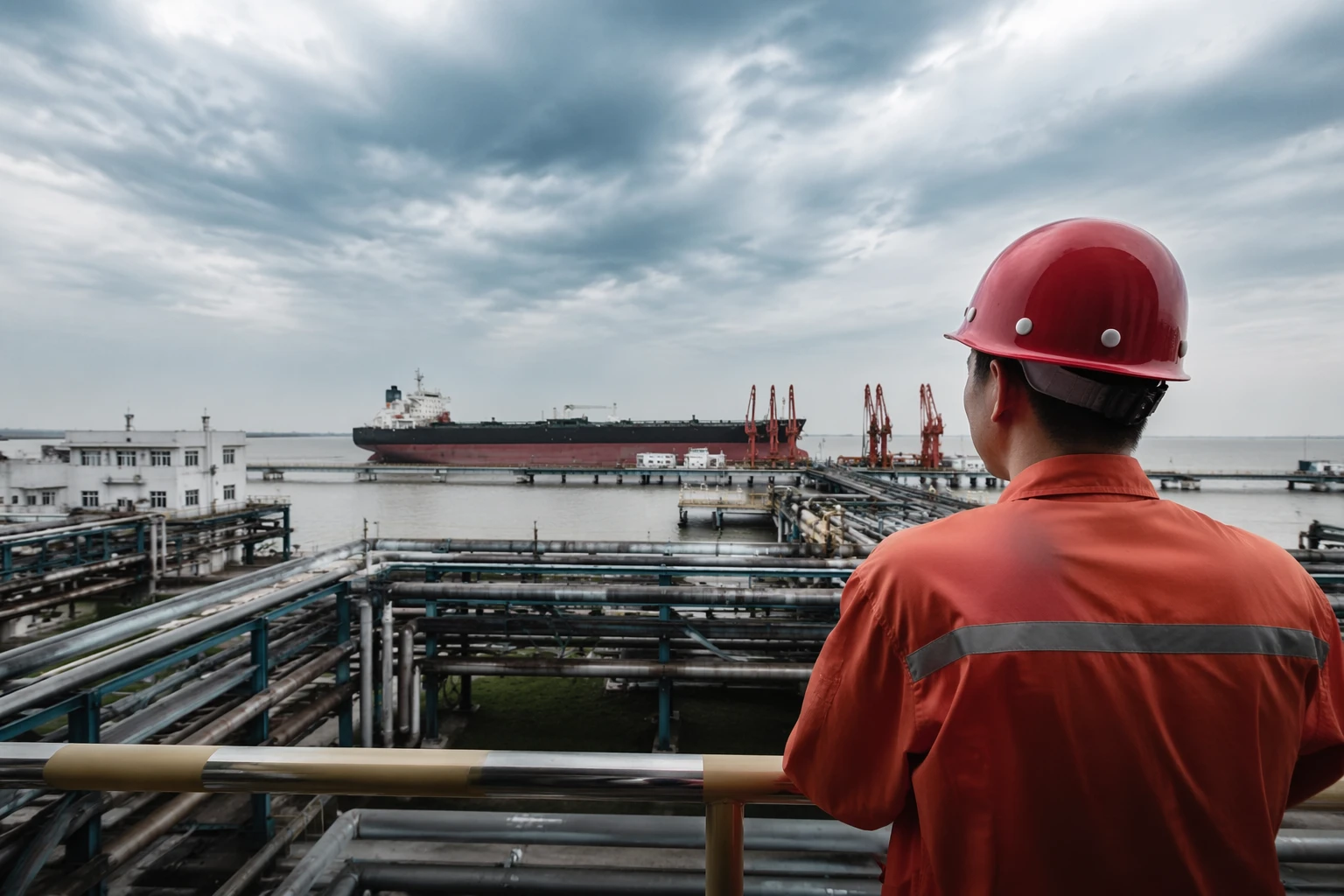
Those buffers were not small. U.S. Energy Information Administration data show China added an average of 1.1 million barrels a day to strategic oil inventories in 2025, lifting crude stocks to nearly 1.4 billion barrels by December 2025. That stockpile gave Beijing room to wait while the war disrupted trade, and it reduced the urgency to bid up prices in the spot market.
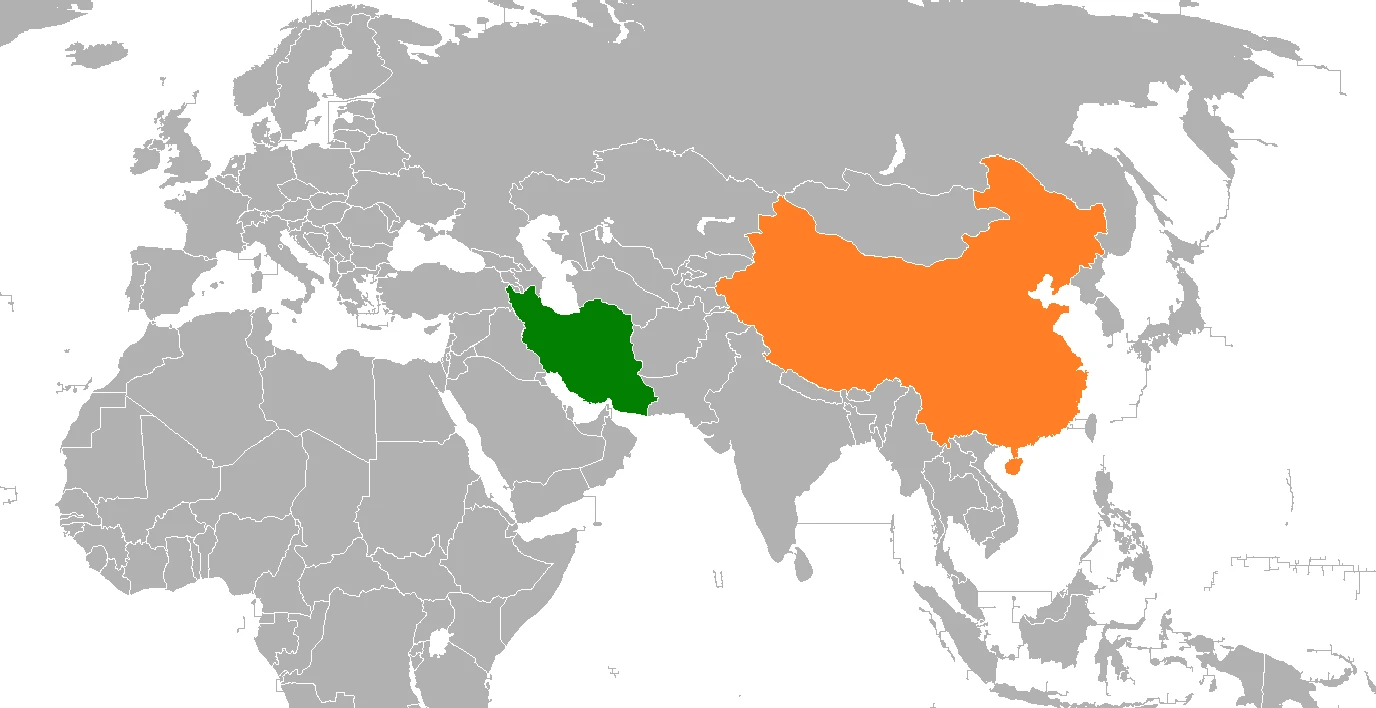
The conflict itself was severe. The International Energy Agency said the war in the Middle East created the largest supply disruption in the history of the global oil market, with crude and product flows through the Strait of Hormuz plunging from around 20 million barrels a day before the war to a trickle. Prices briefly spiked in early March, but China’s weaker buying helped prevent a more violent surge in Brent.

Beijing also tightened fuel-export curbs during the conflict, including canceling or delaying some gasoline and diesel cargoes, another sign that domestic supply came first. Analysts linked the import decline to slower economic growth, rising electric-vehicle adoption and softer fuel demand at home, a combination that points to more than a temporary wartime adjustment.
That is why China’s demand signal matters so much. A drop in imports can still steady the market if it tells traders the biggest buyer in global oil is no longer chasing every barrel.
Sources
- [1]nytimes.com
- [2]msn.com
- [3]cnbc.com
- [4]energyconnects.com
- [5]eia.gov
- [6]iea.org