Politics
China defends ethnic unity law amid U.S., EU criticism
The Law on Promoting Ethnic Unity and Progress took effect on July 1, giving Beijing a legal basis to pursue people beyond its borders. China on Friday dismissed U.S. and European Union criticism of the measure as a “malicious smear.” The law was adopted on March 12 and Beijing says it is a tool to promote cohesion and common prosperity across China’s 56 ethnic groups.
One provision reaches outside China. It says people and organizations abroad can be held legally accountable if they are judged to undermine ethnic unity or incite separatism. That gives authorities another legal instrument to pressure diaspora activists, Taiwan supporters and critics of Beijing’s treatment of Tibetans, Uyghurs and other minority communities.
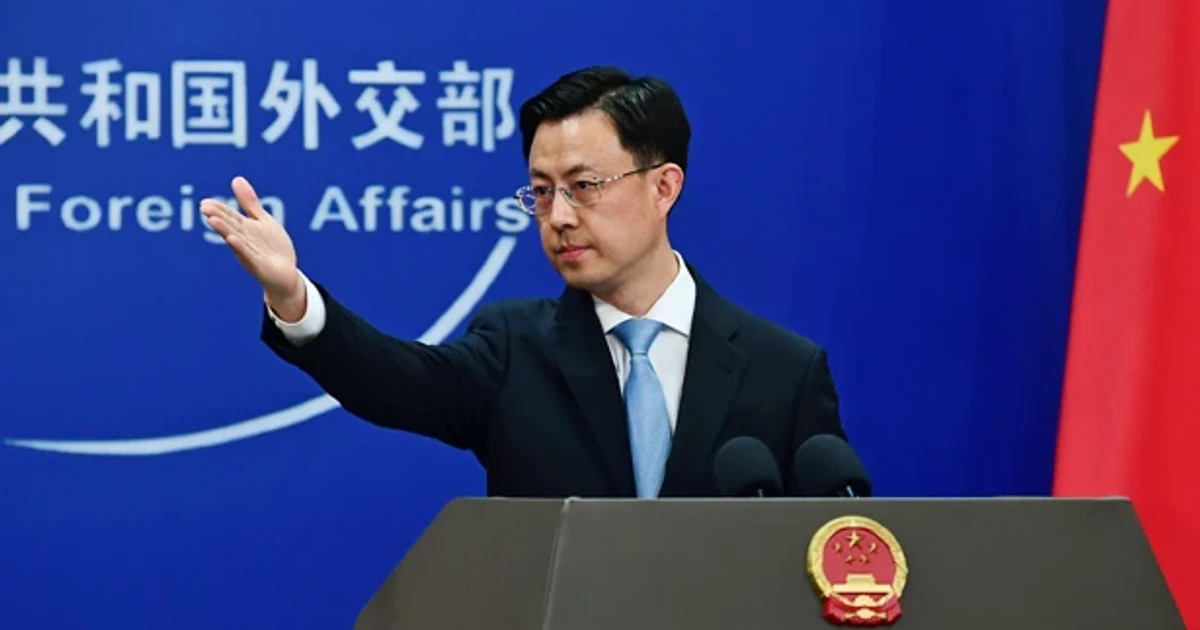
Chinese foreign ministry spokesperson Guo Jiakun defended the law: strengthening the rule of law helps protect the rights and interests of all ethnic groups and improve ethnic unity. He also accused other governments of clinging to ideological bias and turning a blind eye to China’s development and human-rights record.

The U.S. State Department called the law “problematic,” said it could force people outside China to promote the Chinese Communist Party’s ethnic-unity agenda or face retaliation, and said Washington would defend people inside the United States from foreign-government coercion. European Union officials said they were concerned the law could be used against people overseas.
Premier Cho Jung-tai said the law seeks to eliminate Taiwan’s sovereignty, and Taiwan’s Mainland Affairs Council said countermeasures were under interministerial discussion and called the measure one of “forced unification.” UN human-rights experts had already urged China to ensure implementation complied with international standards. The law’s July 1 start date also coincided with the 29th anniversary of Hong Kong’s 1997 handover.
Sources
- [1]usnews.com
- [2]english.www.gov.cn
- [3]ohchr.org
- [4]state.gov
- [5]taipeitimes.com
- [6]rti.org.tw
- [7]chinalawtranslate.com
- [8]spcommreports.ohchr.org