Business
China eases fuel export curbs, lets private refiner resume shipments
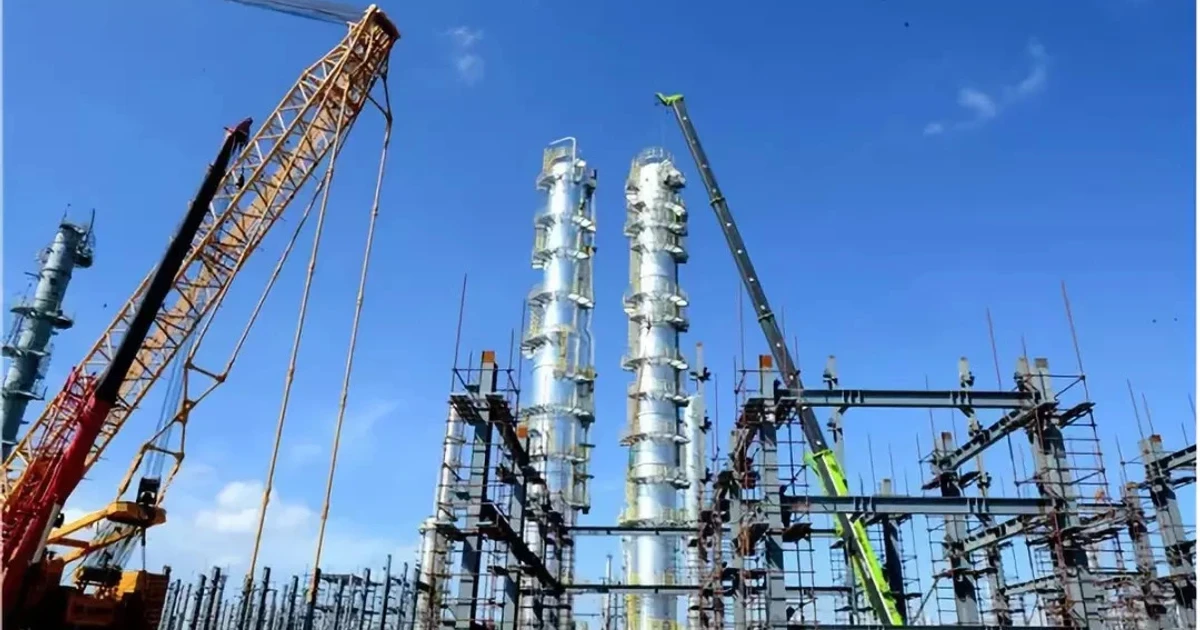
China eased refined fuel export curbs for the rest of July and let Zhejiang Petrochemical Co. resume shipments after a four-month halt, a move that points to Beijing loosening a valve it had tightly shut during the Iran war-related supply scare.
The private refiner, majority owned by Rongsheng Petrochemical, had been blocked from shipping fuel for more than three months. Until now, only state-owned groups had been allowed to export gasoline, diesel and jet fuel, making the July permission a clear break from the earlier squeeze on private exporters.
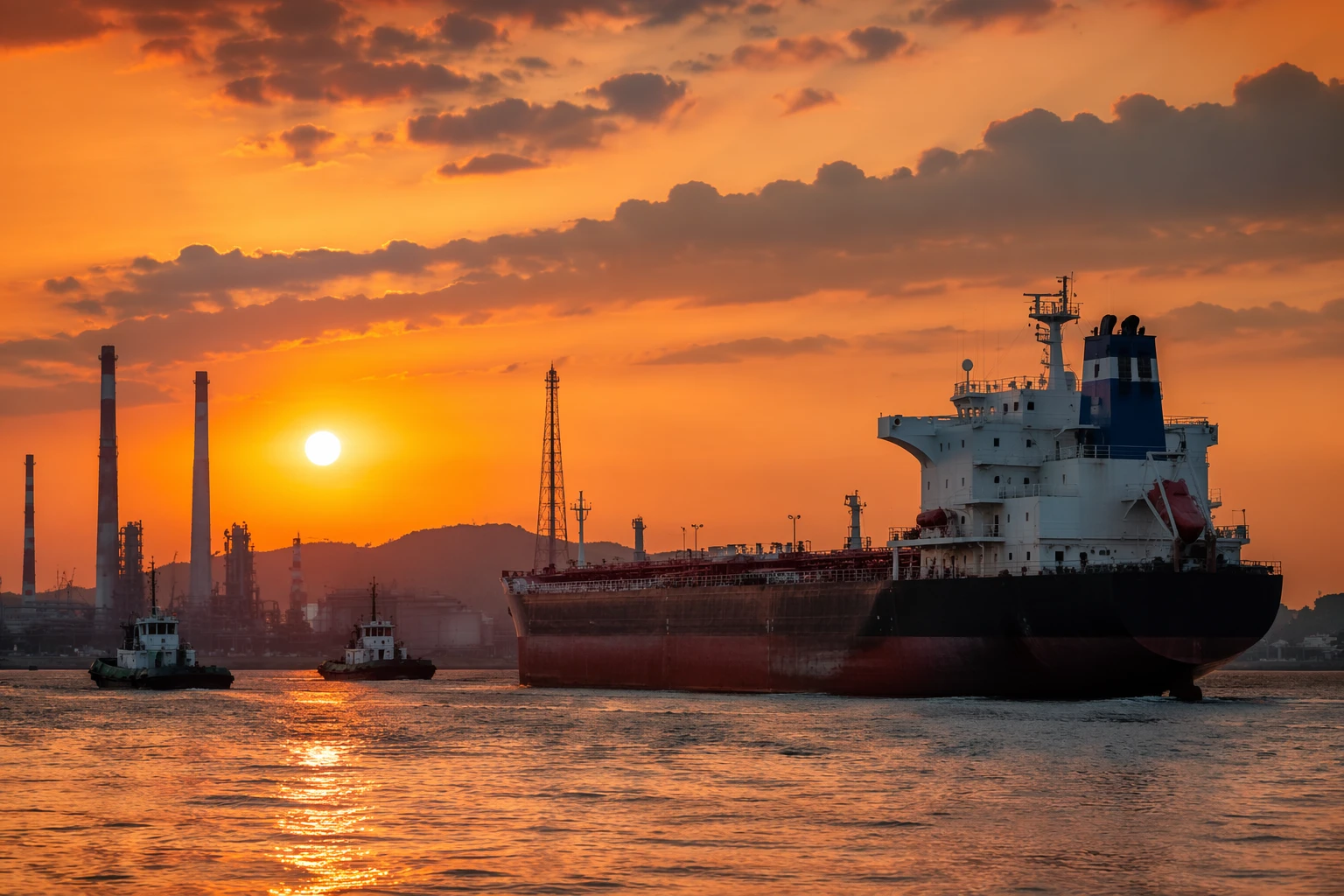
The shift matters because China is the world’s biggest refiner and one of Asia’s most important swing suppliers of transportation fuels. When its exports rise, gasoline and diesel prices across the region often come under pressure, while refiners from Singapore to the Persian Gulf can see margins narrow. If the easing holds, it could also alter shipping patterns as cargoes move back into regional trade routes.
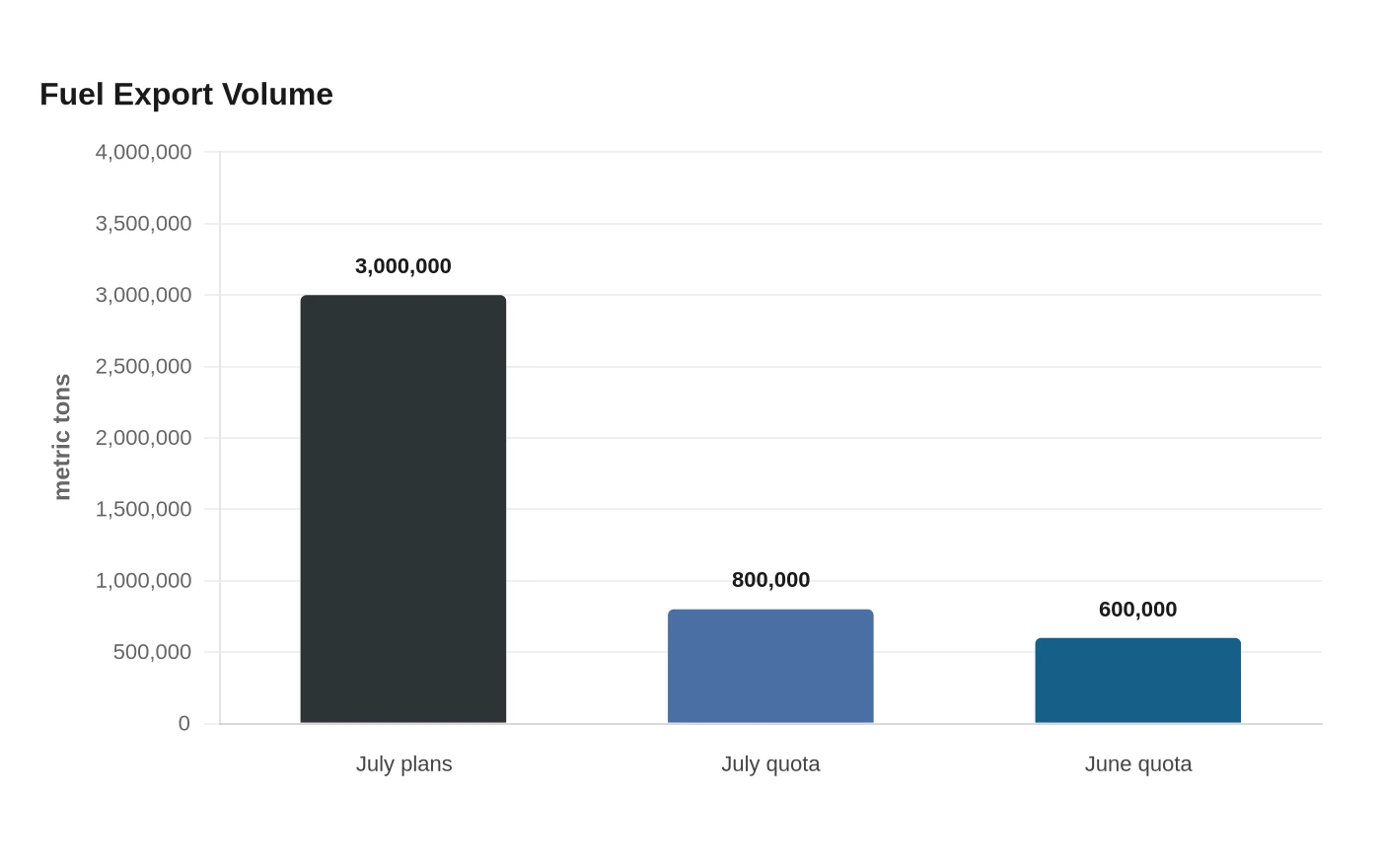
Market participants were already planning for more volume. Refiners were preparing to export roughly 3 million metric tons of gasoline, diesel and jet fuel in July, including bonded cargoes to Hong Kong and Macau. At the same time, China raised its July refined-fuel export quota to 800,000 metric tons from 600,000 metric tons in June, a sign that official limits were being relaxed even as exports remained controlled.
The policy path has moved in stages. China temporarily suspended issuing export permission certificates for refined oil products on March 4, after the top planning authorities pressed refiners and traders to focus on domestic supply security. By March 31, officials were poised to extend the ban into April, though small exemptions for nearby buyers were still possible. July’s easing marks the first visible reopening after that clampdown.
The timing reflects the pressure created by the Iran war and the wider shock to Middle East energy flows. Beijing appears to be balancing two priorities at once: protecting domestic fuel supply and allowing refiners to recover export revenue when regional market conditions improve. That balance is not fixed. It is being adjusted month by month.
Even with the July relaxation, the outlook remains uncertain. Traders still do not know whether the easing will continue into August, which keeps Chinese cargoes in the market as a potential source of volatility rather than a guaranteed supply boost.
Sources
- [1]brecorder.com
- [2]business-standard.com
- [3]indexbox.io
- [4]spglobal.com
- [5]usnews.com