US News
China Evaluates U.S. Strategy as Iran War Negotiations Intensify
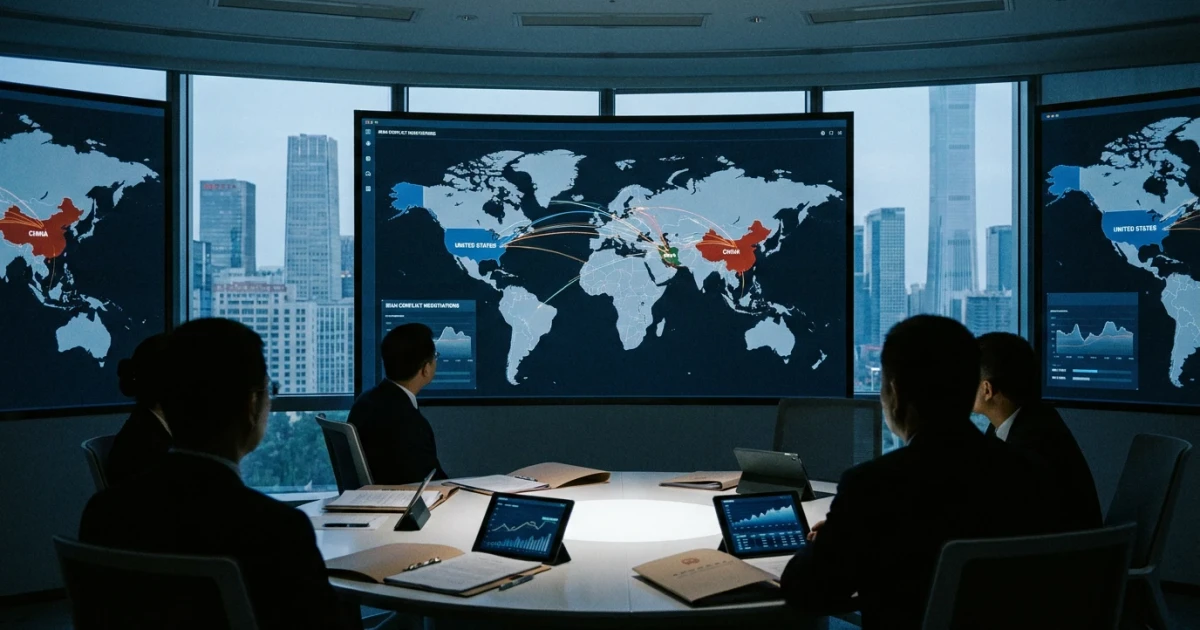
China is watching the unfolding Iran war and U.S. diplomatic efforts with close attention, analyzing both the strengths and vulnerabilities in American strategy as Washington puts forward new proposals to end the conflict. Recent reporting from Politico and Al Jazeera indicates that Beijing sees lessons in U.S. resolve, limits, and alliance management, while the success of American-led peace initiatives remains uncertain as Iran weighs its options.
Beijing’s Strategic Observations
Politico highlights that Chinese officials and analysts have been scrutinizing the U.S. response throughout the Iran war. Several key takeaways emerge from their assessments:
- The U.S. has demonstrated a willingness to deploy military force in defense of its interests and allies, but Beijing notes the clear emphasis on containing escalation and avoiding direct confrontation with Iran where possible.
- American efforts to coordinate with European and Middle Eastern partners reveal both the strengths and frictions within Washington’s coalition-building approach. China is particularly focused on how U.S. alliance management might inform its own regional strategies in Asia.
- Beijing sees the U.S. push for diplomatic solutions—even as military operations continue—as indicative of Washington’s desire to avoid protracted entanglements, a lesson shaped by previous conflicts in the region.
The Politico analysis suggests that China’s leadership is weighing these factors in the context of its own global ambitions, examining whether the U.S. can sustain both military pressure and diplomatic outreach over an extended period. Chinese experts are also assessing how U.S. actions in the Iran war could influence American commitments in the Indo-Pacific, especially regarding Taiwan and the South China Sea.
U.S. Proposals and Iran’s Response
Meanwhile, Al Jazeera details the latest set of U.S. proposals aimed at ending the conflict. The American plan, presented through intermediaries, reportedly includes the following elements:
- A phased ceasefire, starting with a halt to cross-border attacks.
- The reopening of humanitarian corridors to allow aid into affected regions.
- International monitoring mechanisms to verify compliance by both sides.
- Gradual easing of some economic sanctions on Iran, conditional on verifiable de-escalation steps.
Iranian officials have publicly expressed skepticism about the proposals, with some leaders demanding more substantial guarantees before considering any deal. Al Jazeera notes that Iran’s calculus is informed by both domestic political pressures and regional alliances, particularly with non-state groups and neighboring powers.
U.S. officials, for their part, continue to stress the importance of diplomacy, yet warn that the military option remains on the table if talks stall. The Biden administration has emphasized that any agreement must include robust verification measures and address long-standing security concerns, echoing requirements set out in recent congressional resolutions condemning Iran’s attacks and supporting a strong American response.
Implications for Global Power Dynamics
The interplay between U.S. military pressure and diplomatic outreach is being watched not only by Iran, but also by global competitors like China. The Politico report underscores that Beijing is analyzing how the United States balances force and negotiation, and whether Washington can maintain unity among allies while pursuing a negotiated end to the conflict.
- European partners have generally backed the U.S. proposals, but remain wary of escalation.
- China continues to advocate for a multilateral approach and has positioned itself as a potential mediator, though it has stopped short of endorsing the U.S.-led plan.
- Russia has criticized Western involvement, calling for an approach that recognizes Iran’s security concerns.
Experts cited by both Politico and Al Jazeera suggest that the outcome of the current negotiations could shape future conflicts, setting precedents for how major powers interact in regional wars. If the U.S. proposals succeed, it could reinforce the value of coordinated diplomacy; if not, the risk of prolonged instability—and greater foreign intervention—remains.
Looking Ahead
As the Iran war enters a critical phase, Beijing’s ongoing analysis of U.S. strategy reflects broader shifts in the international order. The next steps—whether a ceasefire, continued fighting, or a new round of talks—will be watched not just in Washington and Tehran, but in capitals around the world.
For those seeking greater detail, the official House roll call vote on the recent Iran resolution and Congressional Research Service analysis of the U.S.-Iran conflict offer deeper insight into American policy and legislative debates shaping the U.S. approach.