Business
China expands Africa trade, accelerating yuan use in global commerce

China’s latest push into Africa trade is doing more than opening markets for apples and avocado oil. By cutting tariffs on imports from all 53 African countries with diplomatic ties, Beijing is creating a practical incentive for exporters, banks and shipping firms to settle more business in yuan, even as the dollar remains firmly in control.
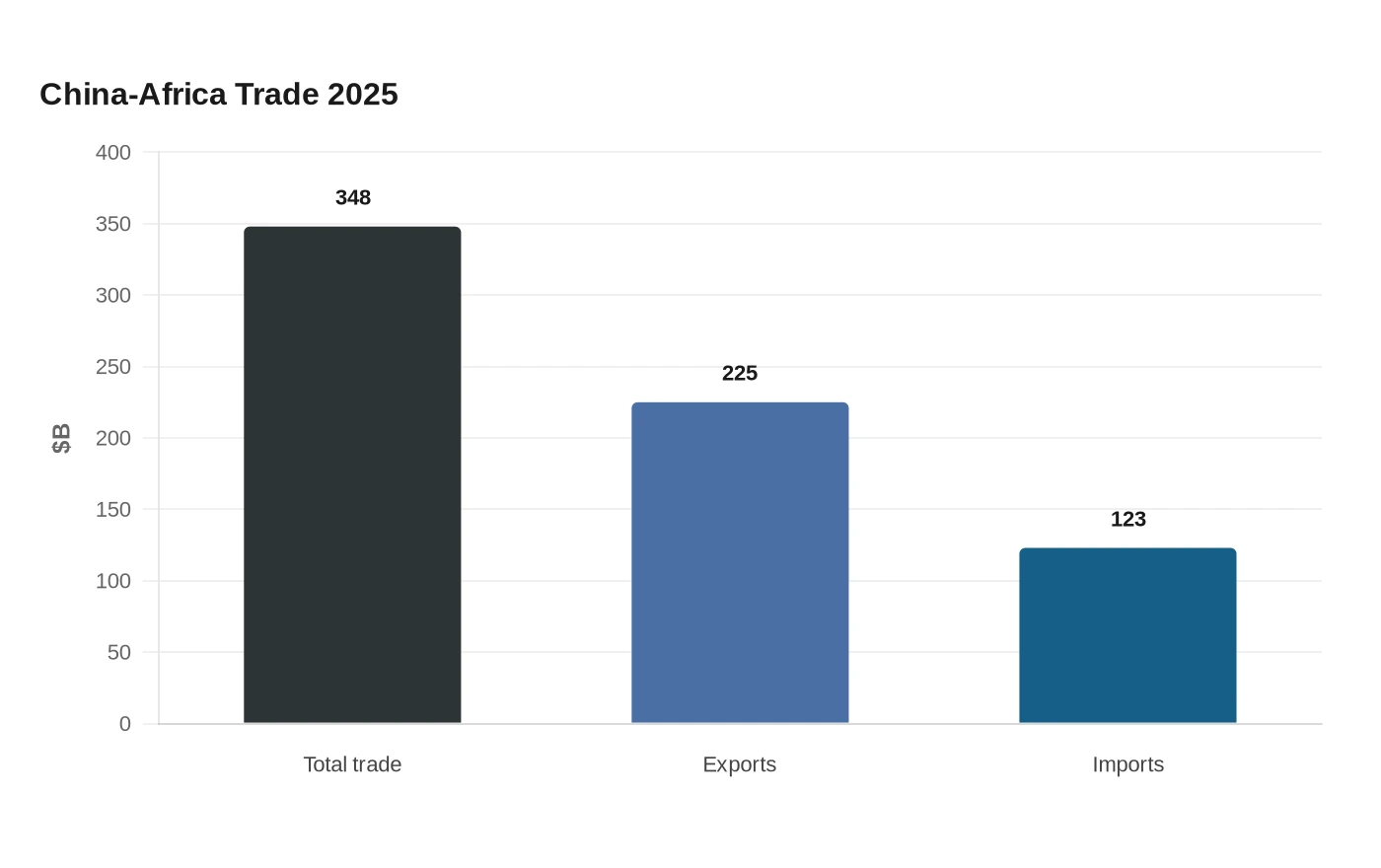
China-Africa trade reached $348 billion in 2025, up 17.7% from 2024, with Chinese exports to Africa climbing 25.8% to $225 billion and imports from Africa rising 5.4% to $123 billion. That imbalance matters. It shows how quickly African buyers are absorbing Chinese goods, while also signaling that more cargo is now moving in the opposite direction, where payment systems, financing terms and currency choice become more visible.
The tariff move took effect on May 1 after being announced on April 28, 2026. Chinese authorities described it as an expansion of high-standard opening up and a response to global protectionism. State media said the first tariff-free shipment to clear customs in Shenzhen included 24 tonnes of South African apples, a small but concrete example of how the policy is reshaping trade flows one container at a time.
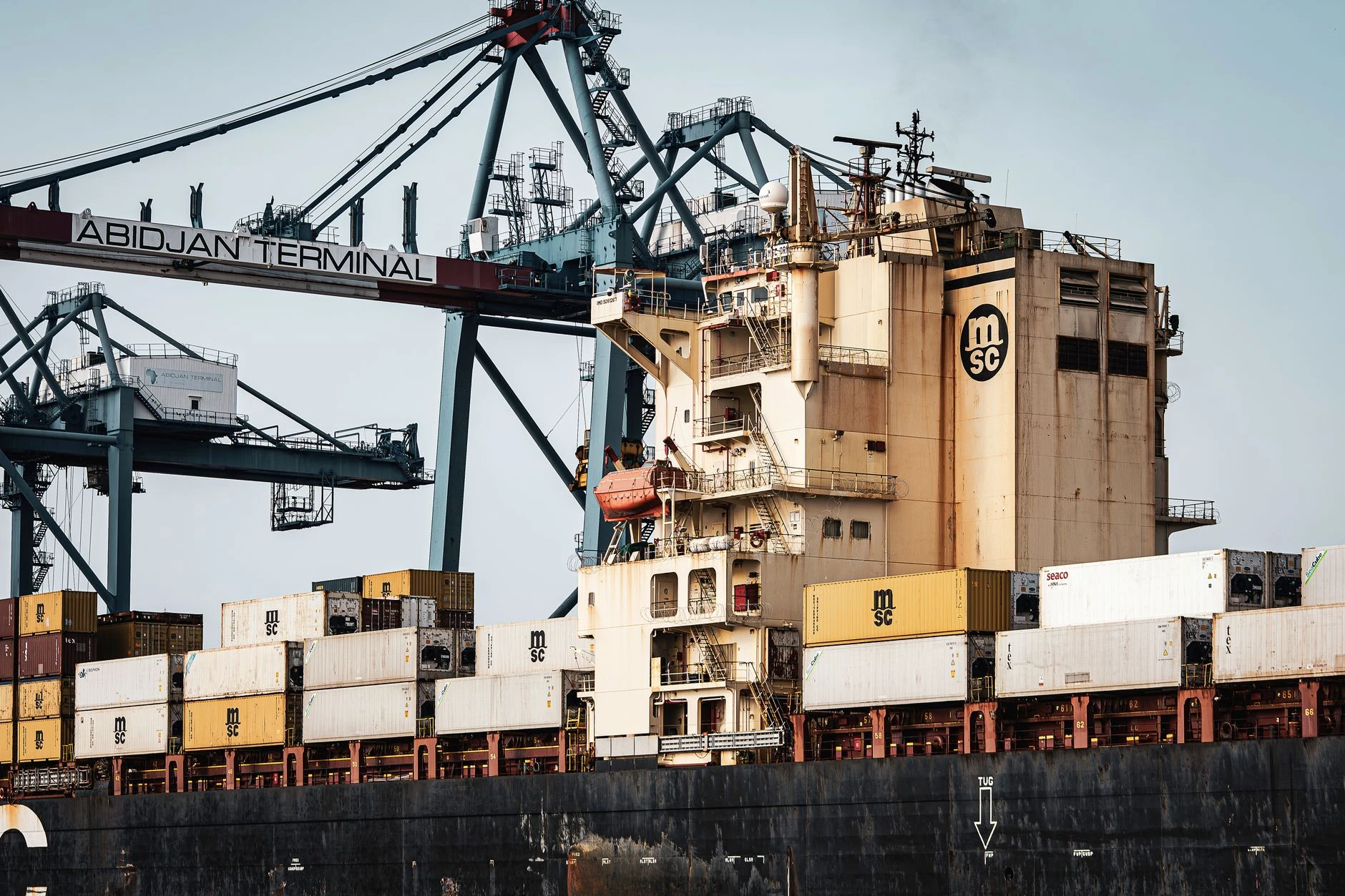
Those flows are increasingly linked to yuan infrastructure. South Africa’s Standard Bank became the first African commercial bank to connect to China’s Cross-Border Interbank Payment System in November 2025 and processed $500 million through it in the first four months after connecting. That gives African exporters and lenders a channel that can bypass some of the friction of dollar-based settlement, especially when paired with lower-cost financing.

The change is not yet a revolution. Standard Chartered Kenya chief executive Birju Sanghrajka said yuan transactions are growing, but he sees little sign the currency is close to displacing the dollar. That restraint reflects the limits of de-dollarization in practice: reliable continent-wide data on yuan use is still thin, trust in convertibility remains uneven, and the dollar’s role in global reserves and trade is still dominant.
Even so, China’s trade expansion is creating real incentives, not just rhetoric. More cargo from Nigeria, Kenya and South Africa, more settlement platforms, and more debt shifting into lower-cost currencies all point in the same direction. Beijing is binding trade, logistics and finance more tightly to its own systems, and the yuan is moving with the shipment ledger, not ahead of it.
Sources
- [1]money.usnews.com
- [2]english.www.gov.cn
- [3]asiatimes.com
- [4]zawya.com