Business
China Expands Digital Yuan With Lotteries and Public Spending
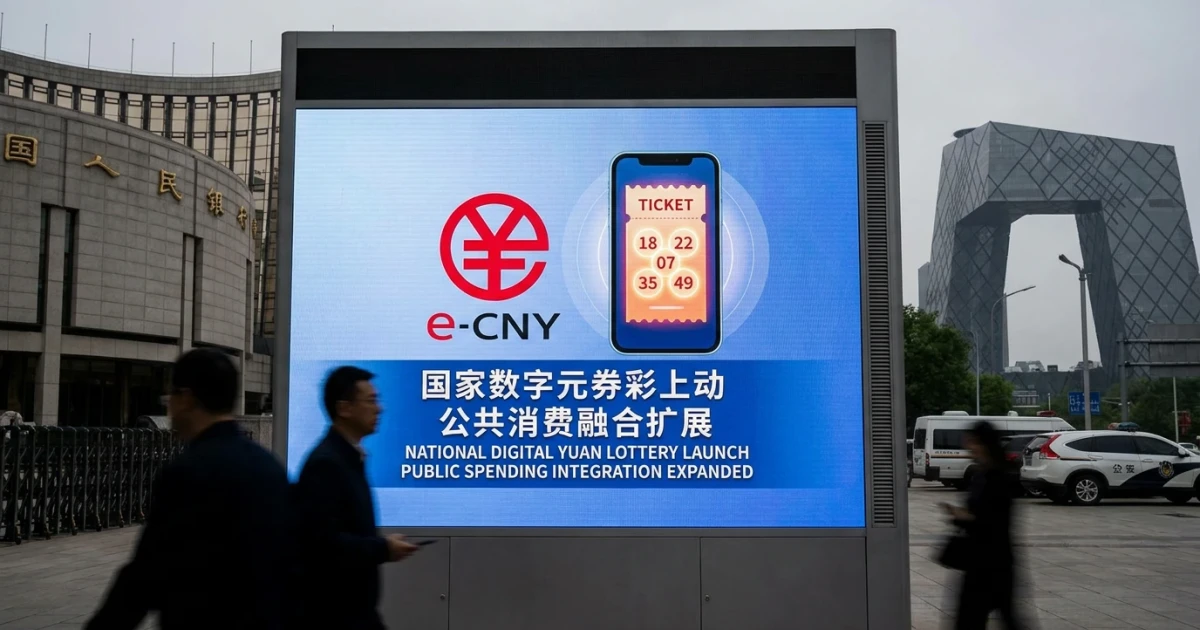
China is intensifying efforts to expand the use of its digital currency, the digital yuan (e-CNY), through innovative initiatives such as lottery draws and direct integration in fiscal spending. According to a Reuters exclusive, the country’s central bank is accelerating adoption of the digital yuan, marking a significant milestone in the transformation of its financial system.
Innovative Approaches to Currency Adoption
China’s People’s Bank of China (PBOC) has piloted the digital yuan in major cities since 2020, but recent initiatives are broadening its reach. Reuters reported that local governments have distributed digital yuan through lottery draws, awarding millions of yuan to citizens who download the official app. These lotteries have helped familiarize the public with the digital currency, boosting both awareness and usage.
- Lottery draws in cities like Shenzhen and Suzhou have handed out tens of millions of yuan in digital currency since the pilot's launch
- Winners can spend their digital yuan at designated merchants, further integrating the currency into everyday transactions
Integration With Public Spending
Beyond lotteries, the PBOC is now embedding the digital yuan in fiscal spending. According to Reuters, local governments in several provinces have begun paying subsidies, social benefits, and even employee salaries directly in digital yuan. This direct government spending underscores official commitment to mainstreaming the digital currency and signals a potential shift in how public funds are distributed.
- Some government workers are receiving part of their wages in e-CNY, according to the report
- Certain welfare and business subsidies are now paid out in digital yuan, making it a practical tool for public finance
Growing Transaction Volumes and User Base
The digital yuan’s reach has grown rapidly, with more than 360 million individual wallets reportedly opened across pilot regions. Reuters noted that transaction volumes surged past 1.8 trillion yuan in 2023, reflecting widespread experimentation and integration. Both retail and business users are testing e-CNY for payments, transfers, and government services. The digital yuan is also being used for cross-border trade in pilot schemes, although international uptake remains limited compared to domestic adoption.
Challenges and Next Steps
Despite impressive participation numbers, Reuters highlighted that daily usage of the digital yuan still lags behind traditional mobile payment platforms like Alipay and WeChat Pay. Many consumers and merchants continue to see digital yuan as a novelty rather than a necessity. However, by embedding e-CNY into government lotteries and fiscal programs, authorities hope to gradually normalize its use and address lingering skepticism.
Looking ahead, China plans to continue expanding e-CNY pilots, both geographically and functionally. The PBOC is expected to roll out more government services and incentives that leverage digital currency, aiming to make the e-CNY an essential part of the national economy.
Conclusion
China’s digital yuan is emerging as a centerpiece of the country’s financial innovation agenda. With creative initiatives like lottery draws and direct government spending, the PBOC is driving adoption and positioning e-CNY as a model for central bank digital currencies worldwide. As pilot programs expand and public familiarity grows, the digital yuan’s role in everyday transactions is likely to become more prominent, offering a glimpse into the future of money in a digital-first world.