Business
China Expands Influence in Global Drug Development
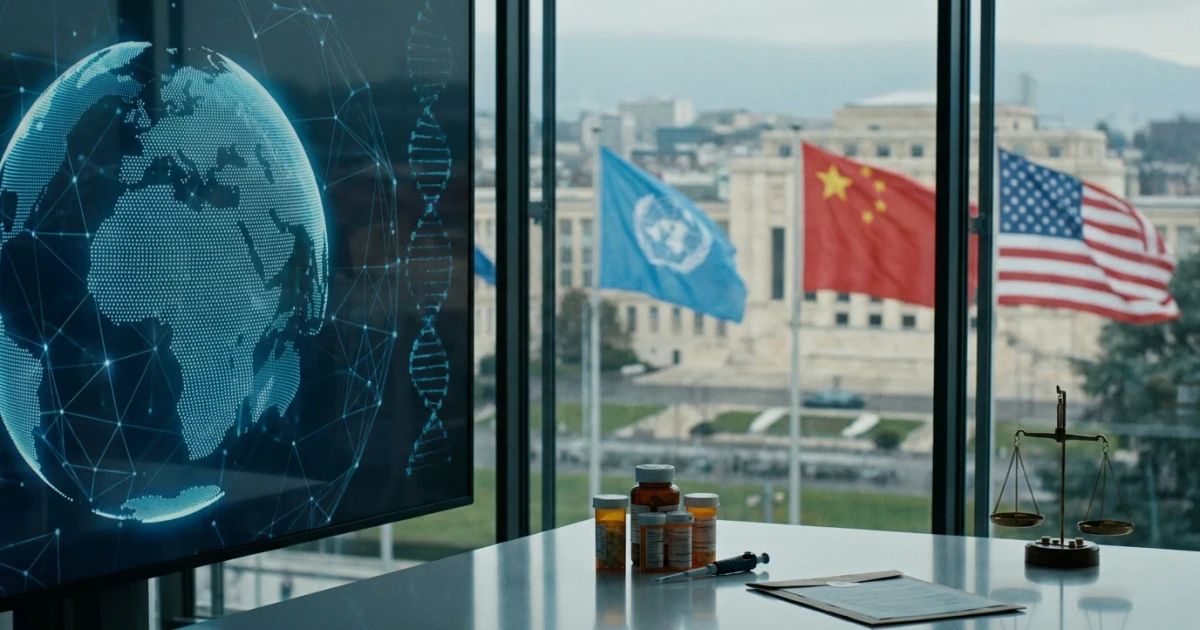
China is rapidly emerging as a major force in global drug development, outpacing expectations and prompting both optimism and concern across the pharmaceutical industry. As Chinese biotech firms advance their pipelines and expand internationally, U.S. reliance on these companies is increasing, with implications for medicine innovation, supply chains, and national security.
Accelerating Growth in Biotech
Over the past decade, China has dramatically increased its investment in pharmaceutical research and development. According to data from China Pharmaceutical Industry Statistics, domestic R&D spending has surged, resulting in a sharp rise in clinical trials registered in China and new drug approvals by the National Medical Products Administration. This trend is confirmed by a range of industry reports and official records, with China now boasting one of the world’s largest pipelines of drug candidates.
- China hosted thousands of clinical trials in 2025, ranking second globally.
- The Chinese pharmaceutical market reached over $160 billion in size, making it a key player internationally.
- Leading Chinese biotech firms have launched innovative therapies, including cancer drugs and rare disease treatments, some of which have received approval in other countries (see the FDA database).
U.S. Reliance and Security Concerns
This rapid ascent has not gone unnoticed in the United States. The New York Times and Financial Times both highlight growing U.S. reliance on Chinese biotech firms for drug ingredients, manufacturing, and innovative therapies. While such collaboration has fueled medical progress, it has also sparked national security concerns among policymakers who fear potential vulnerabilities in supply chains and intellectual property.
China’s competitiveness is evident in its ability to develop novel drugs and scale up manufacturing quickly. The official Chinese Approved Drug List shows a steady stream of new drugs entering the market, with many now exported or licensed to U.S. and European companies. Some experts worry that if geopolitical tensions rise, access to critical medicines could be disrupted.
Key Factors Driving China's Biotech Boom
- Significant government funding for biotech startups and established firms
- Strategic partnerships with Western pharmaceutical companies
- Rapid regulatory review processes, enabling faster market entry
- Growing talent pool of scientists and engineers
Global Impact and Industry Response
The rise of China’s biotech sector is reshaping the global pharmaceutical landscape. U.S. and European companies are increasingly seeking partnerships with Chinese firms to access new therapies and manufacturing capabilities. At the same time, policymakers in Washington are calling for new safeguards to ensure supply chain resilience and protect sensitive medical data.
Industry analysts note that China's progress has pushed global competitors to innovate faster and invest more in research. According to the China Biotech Pipeline Report 2023, China’s portfolio now includes a diverse array of drugs targeting oncology, neurology, and infectious diseases, positioning the country as a leader in several therapeutic areas.
Looking Ahead
China's continued growth in drug development is expected to drive further changes in global healthcare, from the way medicines are discovered to how they are distributed and regulated. While this presents significant opportunities for innovation and patient access, it also requires careful management of supply chain risks, regulatory standards, and international collaboration.
As the balance of power in pharmaceuticals shifts, industry and government leaders will need to navigate the complexities of global competition and cooperation, ensuring that advances in medicine benefit patients worldwide while safeguarding national interests.