US News
China Expands Influence Over U.S. During Iran Conflict, Intelligence Report Finds
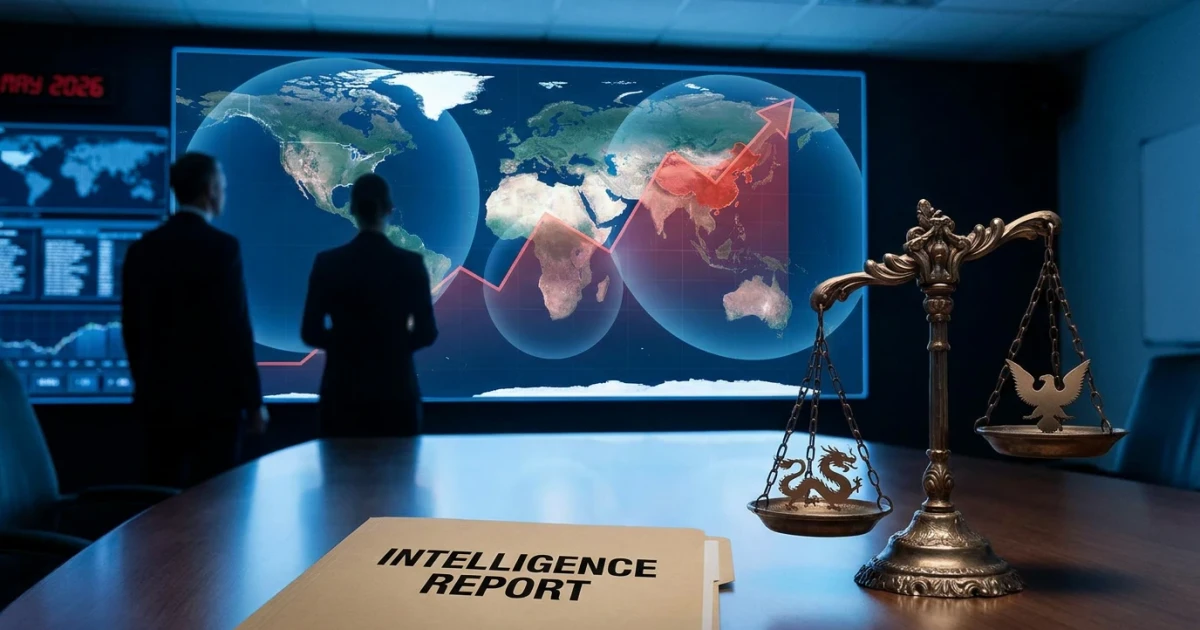
China has secured a significant strategic advantage over the United States during the ongoing Iran conflict, according to findings from a newly released U.S. intelligence assessment. The report, as covered by The Washington Post, points to a shifting balance of power in the region and highlights critical vulnerabilities in U.S. policy and posture as China extends its influence in the Middle East.
Key Findings From the Intelligence Assessment
The annual threat assessment, compiled by the U.S. intelligence community, details how China has leveraged the Iran war to expand its diplomatic, economic, and military reach, often at the expense of U.S. interests. While the report's full text is available on the Office of the Director of National Intelligence’s official site, its key conclusions have sparked debate across policy circles and the international community.
- China has deepened ties with both Iran and other regional actors, positioning itself as an alternative power broker to the U.S.
- Beijing has increased arms sales to Iran and its allies, according to data available from the SIPRI Arms Transfers Database.
- China’s diplomatic efforts have included brokering agreements and offering economic incentives to states affected by the conflict.
Strategic Gains for China
The intelligence assessment notes that China’s approach has been multi-faceted, combining military modernization, economic partnerships, and diplomatic outreach. According to the Washington Post’s reporting, Beijing has capitalized on U.S. distractions in the region to solidify its own standing as a global mediator and economic partner. These developments are consistent with the trends documented by the China Military Power Project, which tracks China’s growing global military footprint.
- Chinese arms transfers to Iran have increased, giving Tehran access to advanced technology and weaponry.
- China has signed new energy and infrastructure deals with Iran, supporting the longstanding economic relationship between the two countries.
- Diplomatically, China has positioned itself as a mediator, hosting talks and encouraging de-escalation—moves that some analysts see as an attempt to supplant traditional U.S. influence in the region.
Implications for U.S. Policy
The intelligence community’s findings raise questions about the effectiveness of U.S. strategies in the Middle East and the broader Indo-Pacific region. Analysts quoted by The Washington Post suggest that the U.S. may need to reassess its alliances and regional commitments in light of China’s growing leverage.
According to the Department of Defense report on China’s military developments, Beijing’s ability to combine economic, military, and diplomatic tools has allowed it to exert unprecedented influence, particularly as the Iran war has consumed U.S. attention and resources.
Broader Geopolitical Consequences
The shifting dynamics documented in the intelligence report may have lasting consequences for global power structures. Experts caution that if China’s influence continues to grow unchecked, the U.S. could find itself sidelined in critical security and economic arenas.
To understand the depth of China-Iran cooperation, including nuclear technology exchanges, readers can consult detailed analyses, which provide context for the intelligence community’s concerns about proliferation and regional stability.
Conclusion: A Call for Strategic Reassessment
The intelligence report underscores the urgent need for U.S. policymakers to adapt to a rapidly changing global environment. As China leverages the Iran conflict to advance its global ambitions, the U.S. faces critical decisions about its role in the Middle East and the future of international security partnerships.
With the balance of power shifting, continued vigilance and strategic innovation will be necessary to protect U.S. interests and maintain long-term stability in the region and beyond.