Business
China exports beat forecasts in June as AI demand boosts shipments
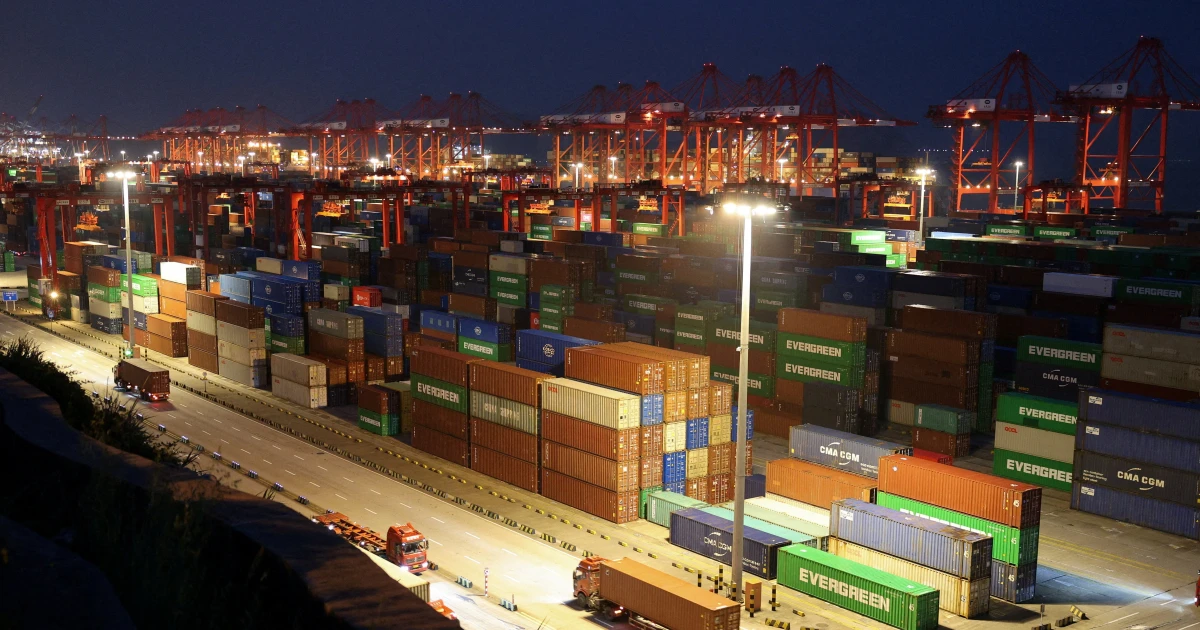
China’s export machine accelerated sharply in June, with overseas shipments rising 27.0% from a year earlier in U.S. dollar terms, the fastest pace since October 2021. Imports also surprised on the upside, climbing 36.0%, while the trade surplus widened to $125.6 billion from $105.4 billion in May.
The numbers came in well above expectations. Economists had been looking for export growth of 18.2% and import growth of 24.0%, making June a clear beat on both sides of the ledger. For Beijing, the stronger trade print offered a hard data point showing that external demand is still cushioning an economy that has struggled with weak property activity and cautious consumers at home.
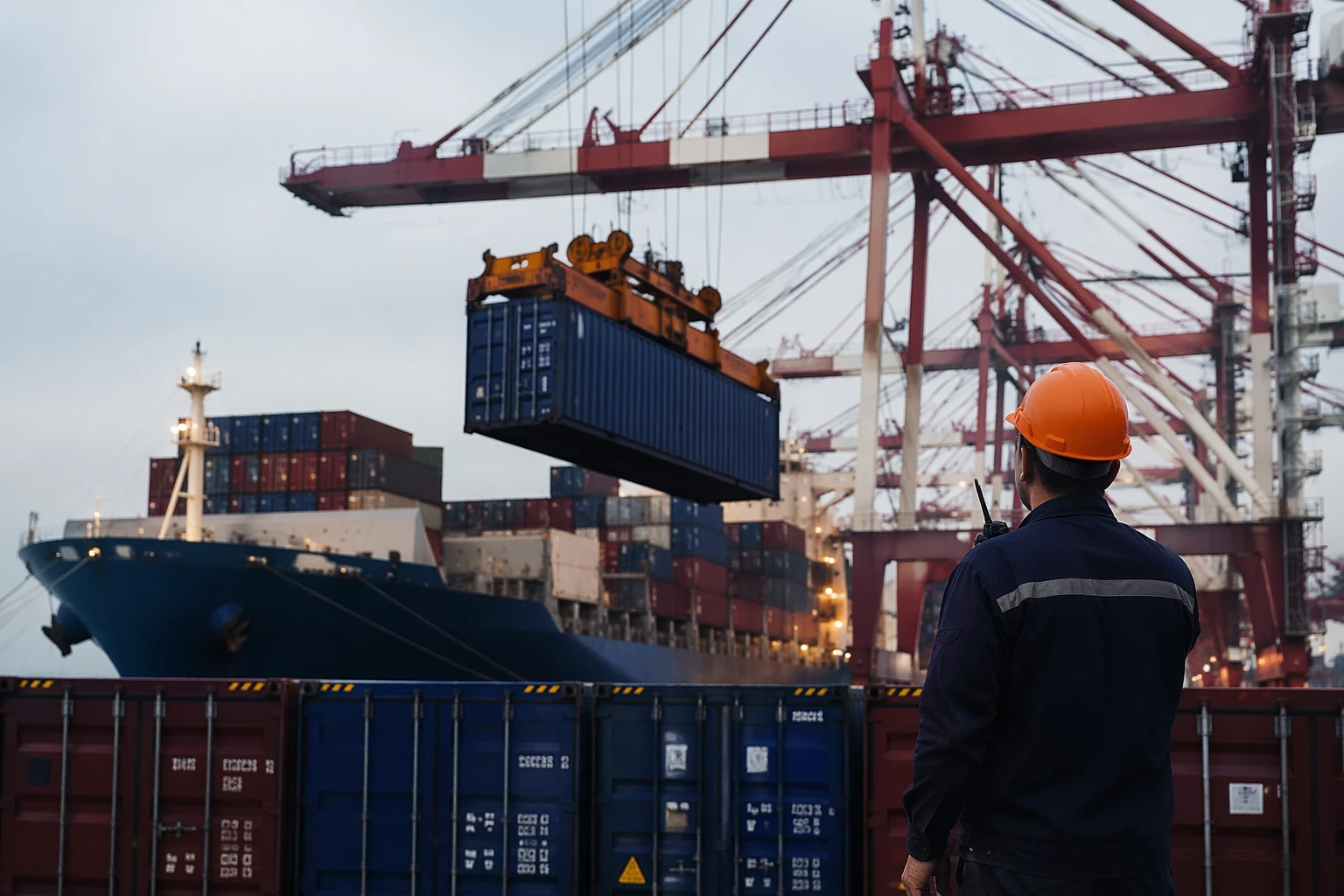
The details, however, point to a narrower engine than the headline suggests. Demand for semiconductors and other AI-related technology products helped lift shipments, reinforcing the role of global spending on chips, data-center equipment and related hardware in China’s factory sector. That helped offset softer conditions in many major economies and continued pressure from the war in the Middle East, which has kept energy costs elevated and added uncertainty to global trade.
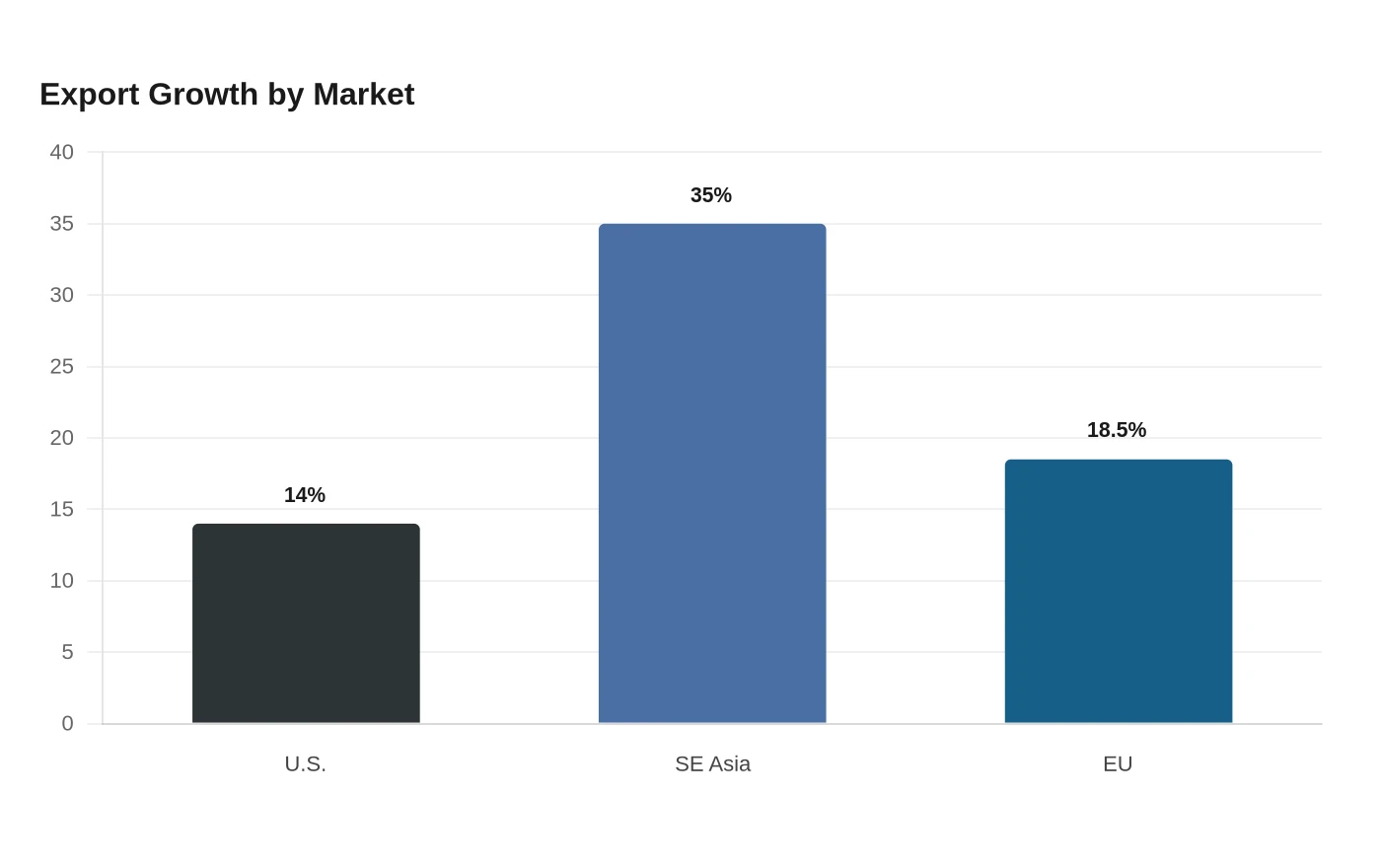
There was also a strong element of front-loading. Manufacturers rushed goods to the United States ahead of the possibility of new tariffs later this year, and retailers were bringing products in four to six weeks early to get ahead of policy risk and to prepare for Black Friday and Christmas sales. CNBC calculated that exports to the United States rose about 14% in June, while shipments to Southeast Asia surged roughly 35% and exports to the European Union increased 18.5%, evidence that Chinese firms are pushing harder into alternative markets as well as accelerating U.S.-bound orders.
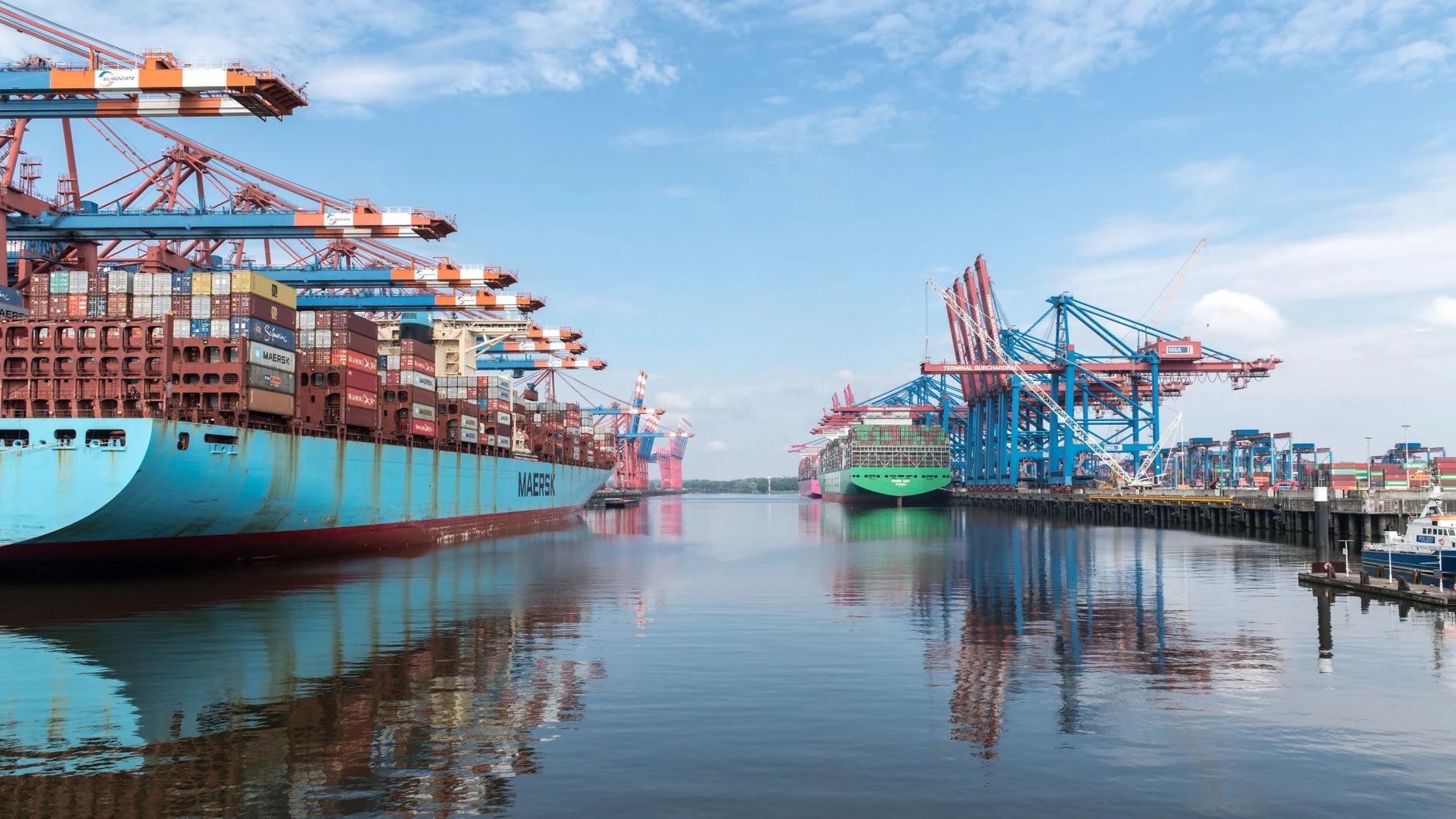
That mix has given China’s exporters some breathing room, but it leaves the bigger question unchanged: how long can the economy lean on foreign demand if domestic consumption stays soft? A Reuters poll published last week found second-quarter growth likely slowed from the first quarter’s 5.4%, with analysts warning that export front-loading could fade in the second half and tariff risks could become more visible. Separate data showing producer prices fell 3.6% in June from a year earlier underlined how deflationary pressure is still weighing on manufacturers even as volumes improve.
China’s customs data now show a picture of resilience with a warning label attached. Exports are still carrying weight, but June also showed how dependent that strength may be on AI-linked spending, tariff anxiety and advance ordering, not a broad-based rebound in demand.
Sources
- [1]finance.yahoo.com
- [2]cnbc.com
- [3]money.usnews.com
- [4]english.customs.gov.cn
- [5]channelnewsasia.com
- [6]wsau.com