Business
China exports surge in May as AI demand lifts chips and cars
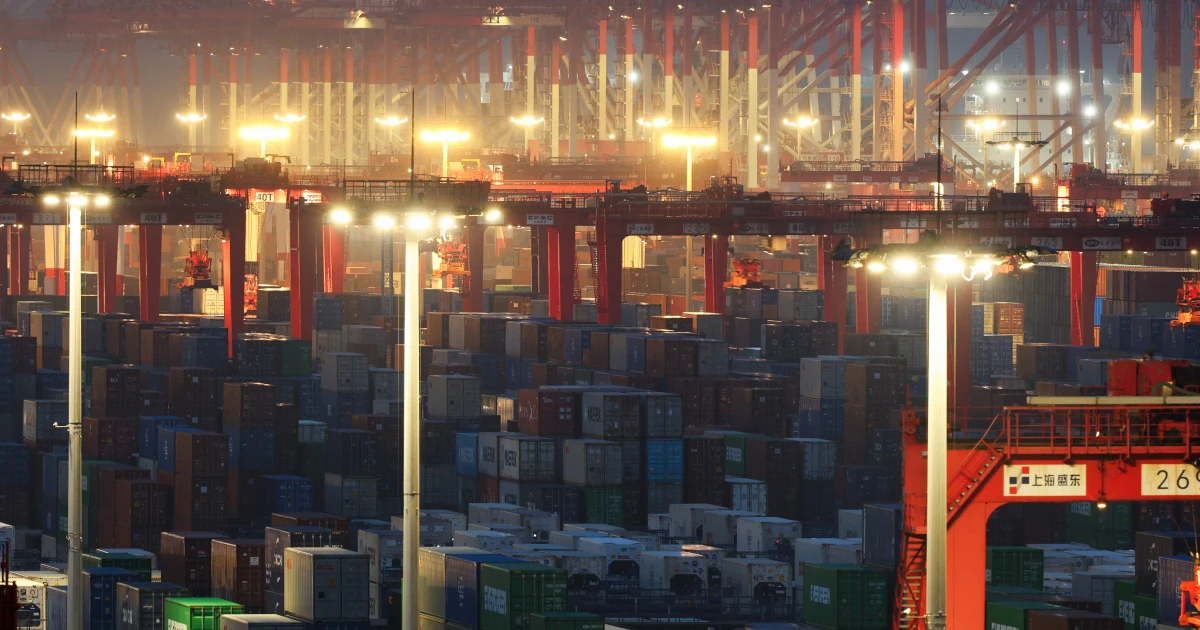
China’s export machine regained speed in May, with shipments rising 19.4% from a year earlier as demand tied to the global AI buildout lifted chips, cars and data-processing gear. The gain beat economists’ 15% forecast and accelerated from April’s 14.1% increase, giving Beijing a timely lift as domestic growth remains uneven.
The strength was not confined to one niche. Exports of automated data-processing equipment climbed 66.1% in value terms, high-tech products rose 50.9%, and car shipments increased 39%. Xing Zhaopeng of ANZ said memory prices rose 20% month over month and integrated circuit export growth reached 111% in May, underscoring how deeply AI-related hardware is now running through China’s manufacturing system. The broader trade picture was also firmer: imports increased 27.4%, up from 25.3% in April, suggesting factories and industrial users were still pulling in foreign inputs even as exports surged. China’s trade surplus for the month reached $105.43 billion.
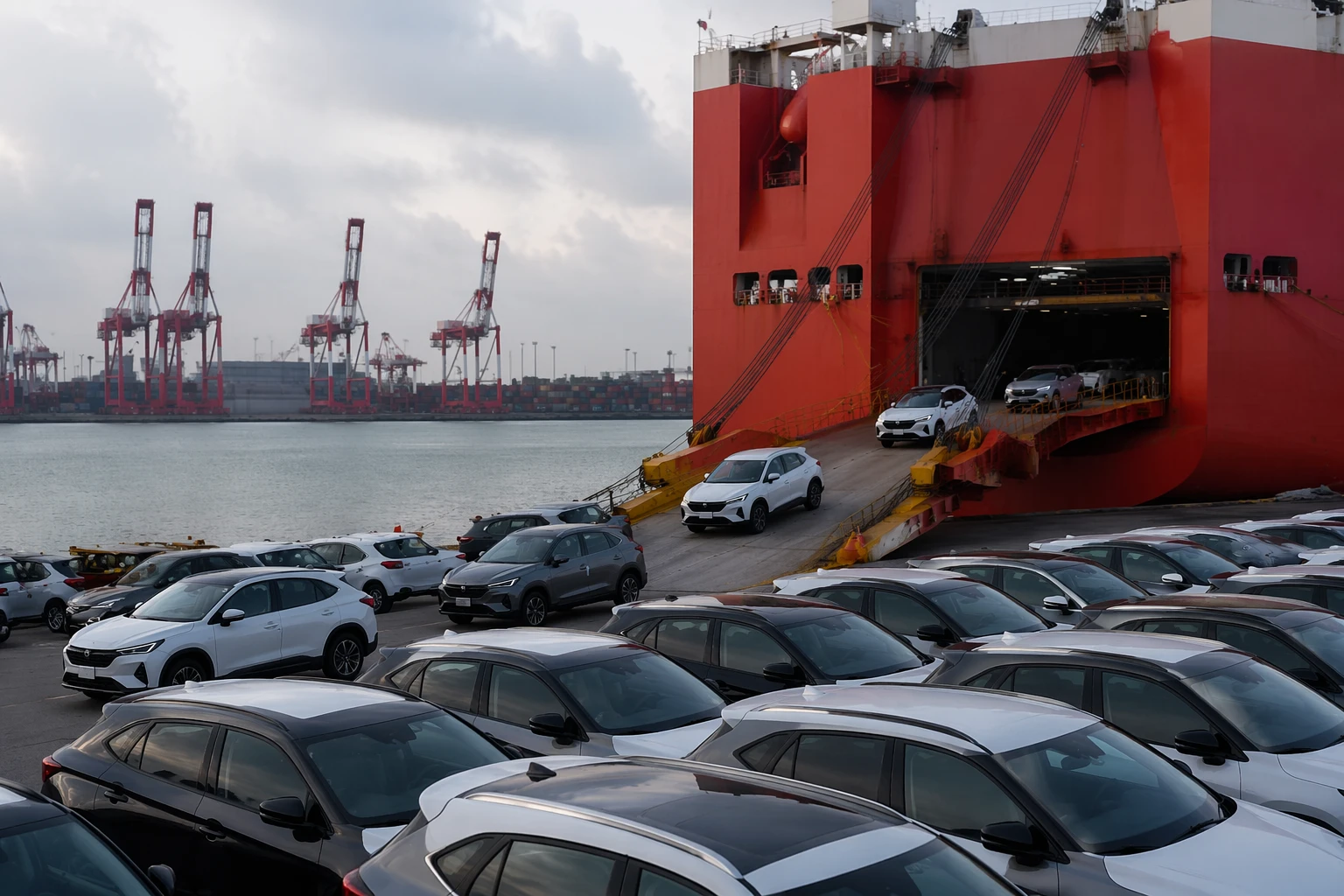
The data point to a sectoral split inside the economy. High-tech manufacturing and AI-linked supply chains are helping to cushion weakness, but traditional exporters are lagging. Furniture shipments barely rose, toy exports fell, and footwear exports declined, while separate customs-based data showed shoe and boot exports down 5.7% and steel exports down 8.1%. That mix suggests the May rebound was broad enough to lift the headline number, but narrow enough to leave labor-intensive sectors under pressure.
There are also signs that the surge may not last at the same pace. Factory survey data for May showed new export orders fell sharply after reaching a two-year high in April, and China’s official manufacturing PMI indicated factory activity stalled even as high-tech manufacturing held up better than the rest of industry. A Reuters poll of 32 economists had already flagged a 15% export rise for May, while some shipments appeared to be front-loaded as overseas buyers rushed orders ahead of higher energy costs tied to Gulf tensions.
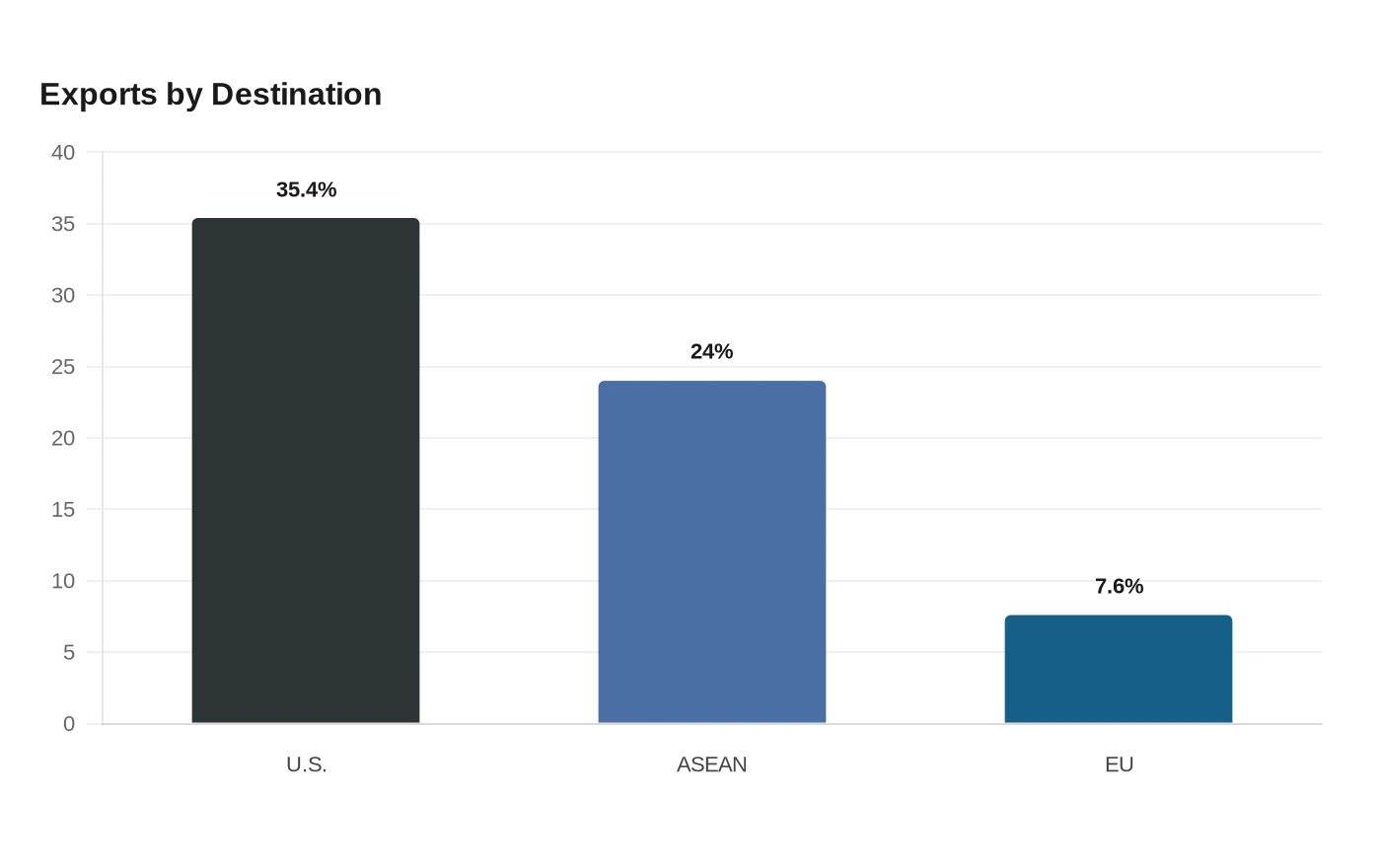
The United States remained a key source of momentum. Shipments from China to the U.S. jumped 35.4% in May, the strongest growth since March 2021, while exports to ASEAN rose 24.0% and exports to the European Union increased 7.6%. For Beijing, the message is double-edged: the AI boom is providing real support to trade and industrial output, but it is also deepening concern abroad that China’s manufacturing base is gaining market share too quickly, raising the odds of more trade friction ahead.