Business
China exports surge on AI demand, with chips and cars leading
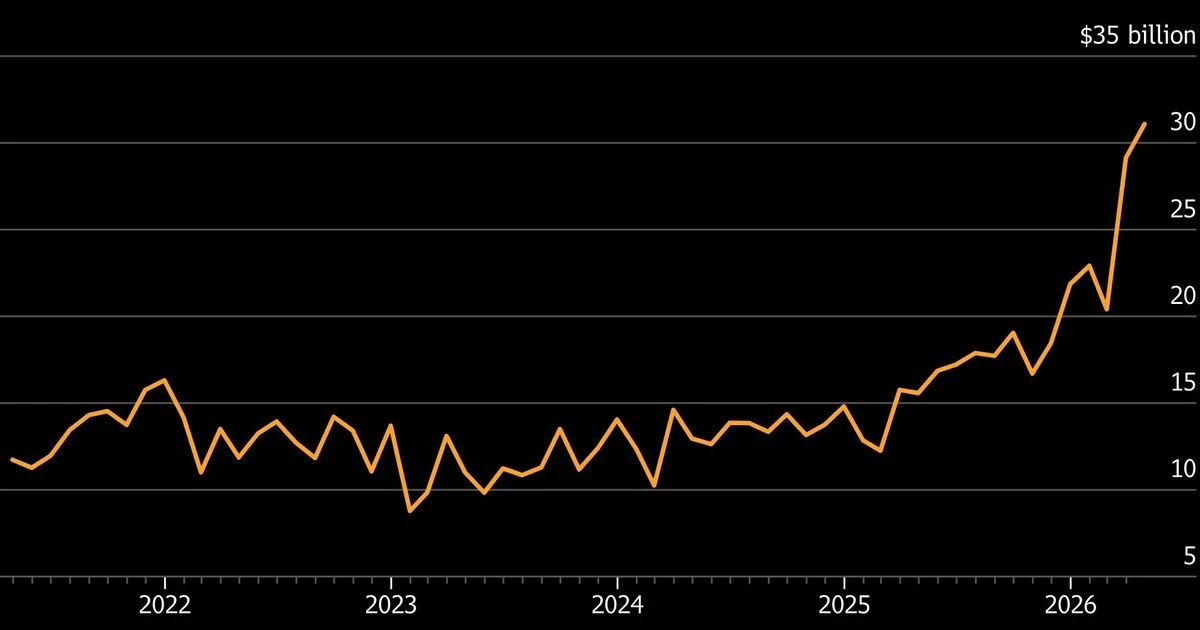
China’s export machine got an AI-powered lift in May, as demand for chips, servers and other high-tech goods helped push overseas shipments up 19.4% from a year earlier. The gain was well above April’s 14.1% increase and topped economists’ expectations, while imports also rose 27.4%, a sign that domestic demand and supply-chain activity remained firm even as geopolitical tensions rattled trade.
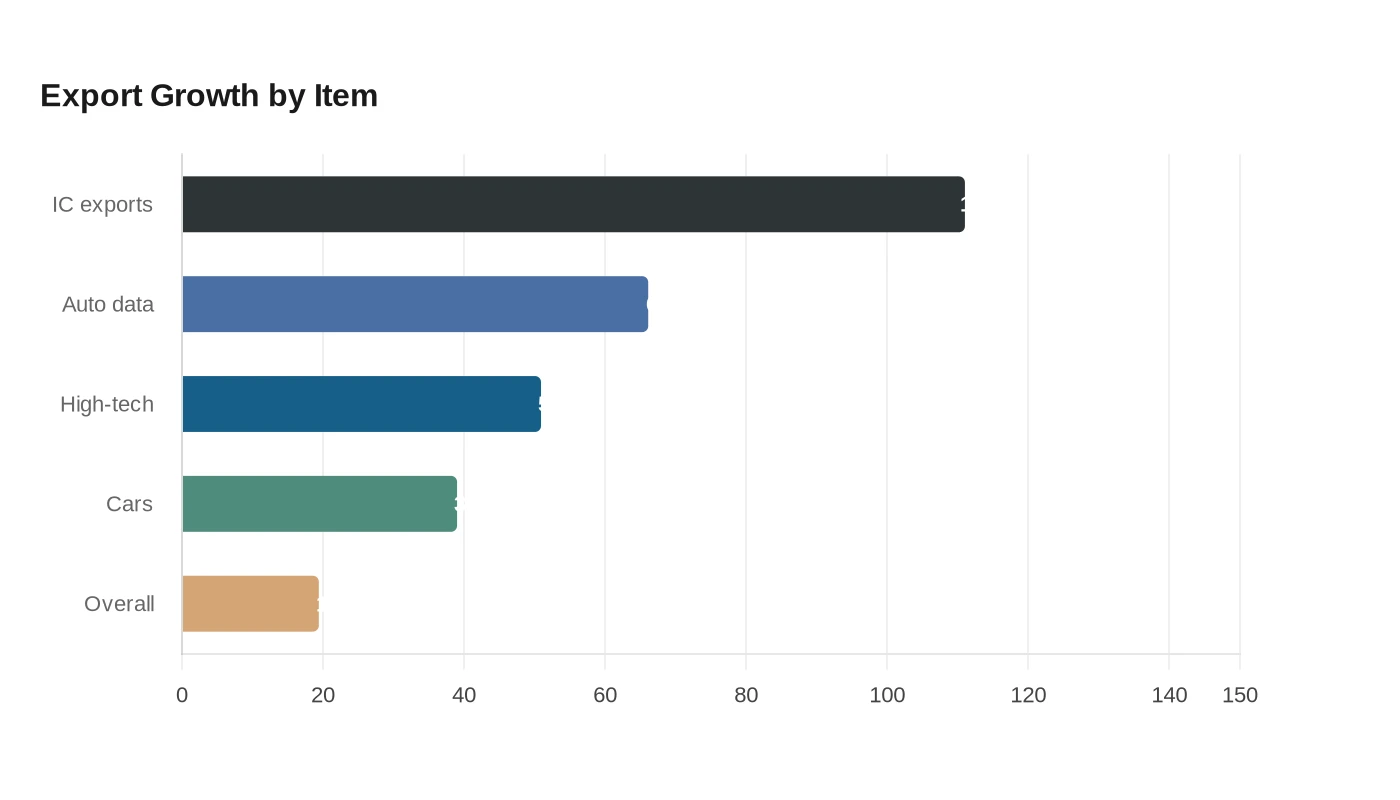
The strongest momentum came from the parts of China’s industrial base most closely tied to the artificial intelligence build-out. Exports of automated data processing equipment jumped 66.1% in value terms, high-tech products rose 50.9%, and car shipments climbed 39%. Integrated-circuit exports surged 111% for the month, a striking gain that points to how much global demand for AI infrastructure is flowing through Chinese factories.
Xing Zhaopeng, senior China strategist at ANZ, said memory prices rose 20% month on month in May, helping support the export surge in chips. That price move matters because it suggests the AI cycle is not just lifting a narrow set of software and equity valuations. It is reaching deep into physical manufacturing, where higher memory prices and stronger chip demand are showing up in trade data.
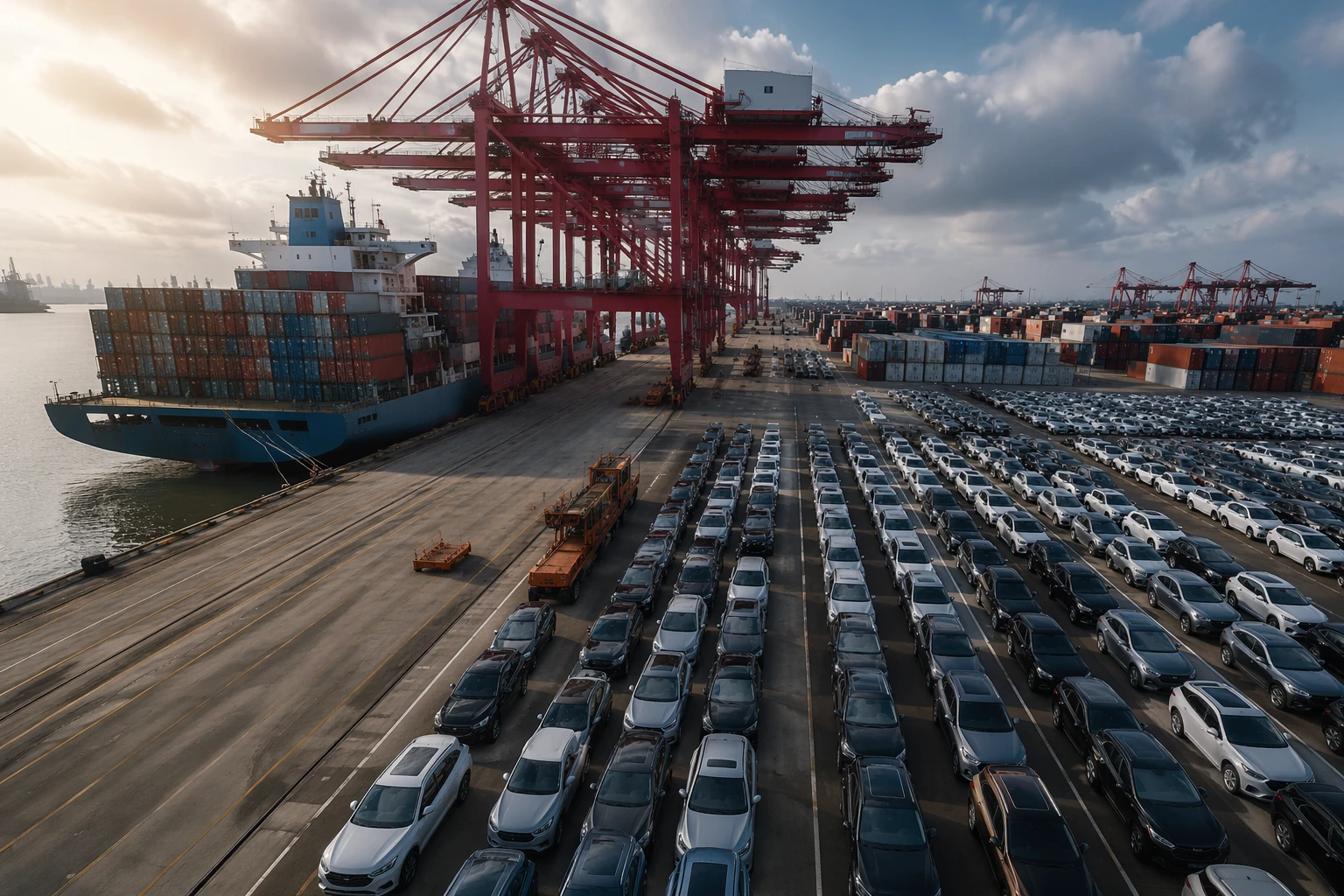
The upside surprise also underscored how resilient China’s exports remained despite weakness in parts of the broader global economy. A pre-release poll of 32 economists had forecast export growth of 15%, making May’s 19.4% reading a clear beat. China’s trade surplus widened to about $105.43 billion, above forecasts of $88.70 billion, reinforcing the scale of the export recovery.
Shipments to the United States rose 35% in May, the strongest increase in five years, showing that the rebound was not confined to a single product line or one market. Technology-related exports also held up despite disruption tied to the Iran conflict and higher energy and shipping costs, which had previously encouraged some overseas buyers to front-load orders ahead of possible price spikes.
That earlier stockpiling now appears to be fading as some customers run down inventories and wait for clearer signals on a ceasefire, leaving the trade outlook more mixed. Still, the May figures suggest the AI investment cycle has become large enough to move trade balances, not just stock prices, and that China remains a critical supplier in the global race to build the hardware behind artificial intelligence.
Sources
- [1]finance.yahoo.com
- [2]cnbc.com
- [3]econotimes.com
- [4]wtop.com
- [5]money.usnews.com