Business
China factory-gate inflation hits four-year high as demand diverges
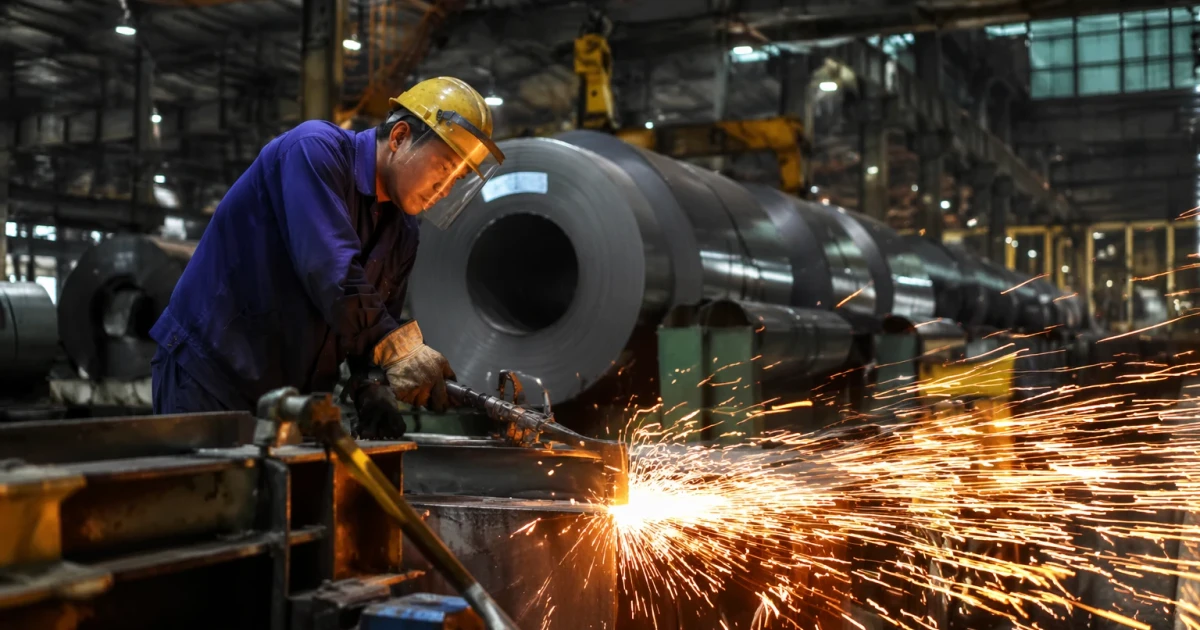
China’s factory-gate inflation accelerated to 4.1% in June, the fastest pace since July 2022 and the fourth straight monthly increase, according to National Bureau of Statistics data released on July 9, 2026. The producer price index still fell 0.3% from May, a reminder that the jump was stronger on an annual comparison than in immediate pricing momentum. Consumer inflation remained far softer: the consumer price index rose 1.0% from a year earlier, core CPI also increased 1.0%, and CPI slipped 0.3% from May.
The split points to a two-track economy. Export-oriented factories tied to advanced manufacturing and AI-related demand are finding support, while many companies serving China’s domestic market are still facing weak household spending, fragile investment and pressure from the property downturn. Tianchen Xu and other analysts said part of the June strength reflected a low-base effect, while higher oil and commodity prices lifted input costs across industry. That combination can make producer prices look firm even when end-demand at home remains subdued.
For global supply chains, the significance is broader than China’s own inflation data. Higher factory-gate costs can eventually work their way into export pricing, squeezing U.S. importers, retailers and wholesalers that already have little room to absorb higher input bills. The exposure is greatest in sectors that depend on Chinese industrial output, especially technology-linked manufacturing, machinery and other export-heavy supply chains that have benefited from stronger overseas demand. If those firms cannot pass costs on, the pressure is likely to show up in thinner margins, slower hiring or lower output before it appears in consumer prices.
The June figures also leave Beijing with a familiar policy problem. Officials need to support domestic consumption without adding fresh leverage to already strained property and local-government balance sheets. For now, the data show that China’s industrial base remains more competitive internationally than its household economy is resilient at home, a mismatch that can keep producer prices rising even while consumer inflation stays mild. That imbalance will matter not just for Beijing’s growth target, but for pricing power across the global manufacturing chain in the months ahead.
Sources
- [1]money.usnews.com
- [2]cnbc.com
- [3]english.news.cn
- [4]english.scio.gov.cn
- [5]stats.gov.cn
- [6]tradingeconomics.com