Business
China Gains Strategic Edge Amid Global Energy Crisis
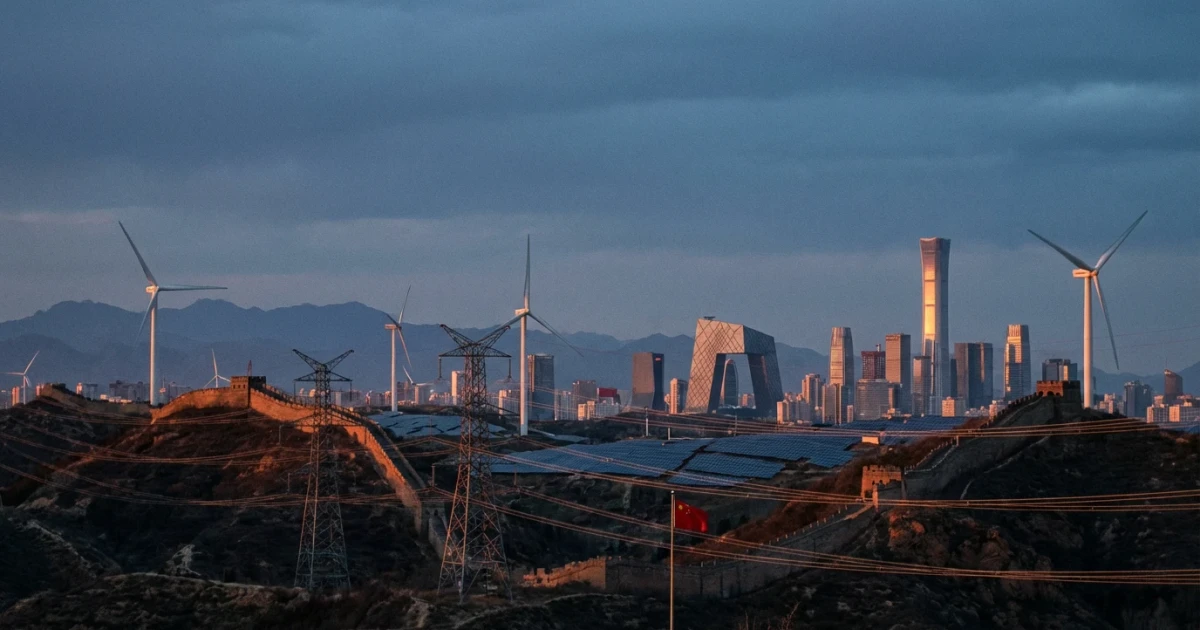
China has emerged as a primary beneficiary of the current global energy crisis, leveraging years of strategic planning to buffer its economy and strengthen its position as war-related disruptions roil energy markets worldwide.
China’s Long-Term Energy Preparation
Analysts agree that China began preparing for potential energy shocks well before the recent escalation of conflict in the Middle East. Over the past decade, Beijing has steadily diversified its energy sources, expanded storage capacity, and invested heavily in renewable energy infrastructure. According to the International Energy Agency’s country report, China leads the world in renewable energy production, with substantial investments in solar, wind, and hydroelectric power. These efforts have allowed the country to reduce its reliance on imported oil and gas, a vulnerability now exposed in many Western economies facing volatile prices and supply disruptions.
Impact of the Iran War on Global Energy Markets
The outbreak of war involving Iran, a pivotal oil producer, has sent shockwaves through global energy markets. As The Washington Post and The New York Times both report, Western nations have struggled with surging prices and supply chain interruptions, particularly in oil and natural gas. In contrast, China’s diversified energy mix has helped insulate its economy from the worst effects of the crisis.
- China has increased domestic coal production to offset shortfalls in imported fuels, as confirmed by data from the National Bureau of Statistics of China.
- The country has ramped up imports from Russia and Central Asia, capitalizing on discounted rates and stable supply agreements.
- According to the BP Statistical Review of World Energy, China’s energy consumption growth has remained steady, even as Europe and parts of Asia experience slowdowns.
Strategic Reserves and Energy Security
China’s decision to build up extensive strategic petroleum reserves has proved prescient. With large stockpiles of oil and natural gas, China has the flexibility to release supplies to the market or keep them in reserve, depending on price trends. This approach contrasts with some Western countries, which have drawn down their reserves more rapidly in response to immediate shortages.
Renewables and Domestic Production Soften the Blow
In addition to fossil fuels, China’s rapid expansion of renewable energy capacity has played a critical role in reducing its vulnerability. As of 2025, China accounted for more than one-third of the world’s installed solar and wind power capacity, according to Enerdata’s global energy statistics. This investment has enabled the country to maintain stable electricity supplies even as imported fuel costs soar.
Economic and Geopolitical Implications
The stability of China’s energy supply has bolstered its manufacturing sector and export competitiveness, giving it an edge as other economies grapple with higher costs and potential blackouts. The country’s ability to secure long-term, often discounted, energy deals with Russia and other partners has also enhanced its geopolitical influence, according to expert analysis from the U.S. Energy Information Administration’s country analysis brief.
Looking Ahead
While China is not immune to the broader risks of global energy instability, its proactive measures have positioned it to weather the current crisis better than most. As the war-driven energy crisis continues to unfold, Beijing’s playbook—diversification, domestic production, and strategic stockpiling—offers a model that other nations may seek to emulate.