World
China grounds private light aircraft after Beijing tower crash
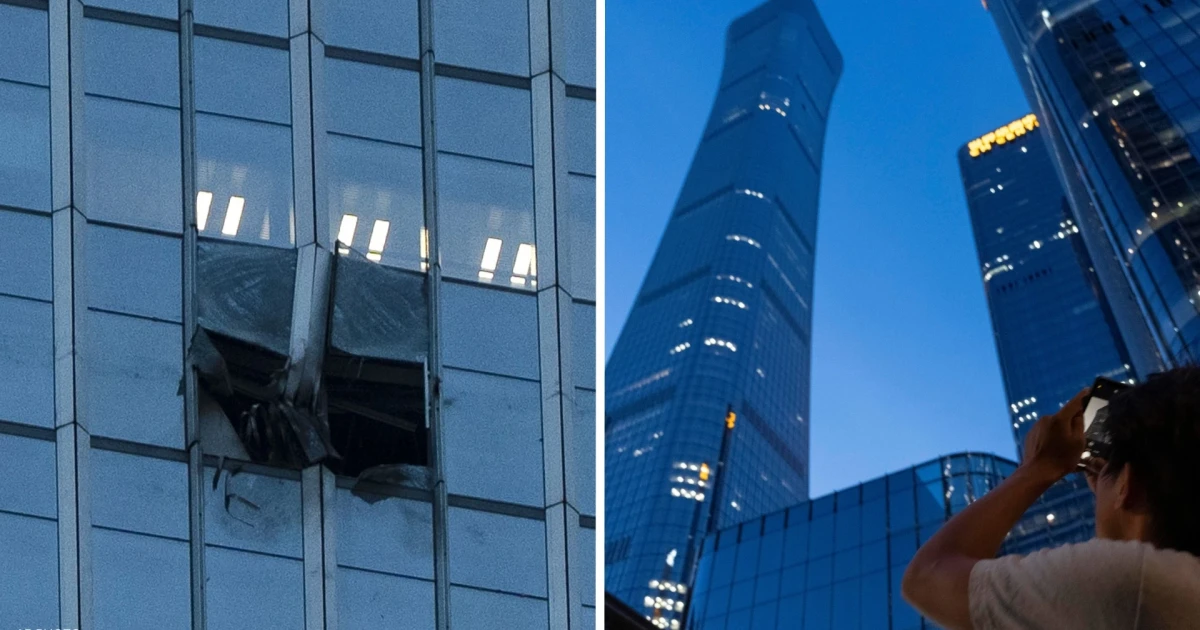
China grounded flights of private light fixed-wing aircraft after a two-seat plane crashed into Beijing’s CITIC Tower, a 528-meter landmark in the capital’s central business district, killing the pilot and injuring 13 people on the ground. The June 26 collision came during the evening rush hour and turned a rare private aviation accident into a stark test of how Beijing polices its low-altitude airspace.
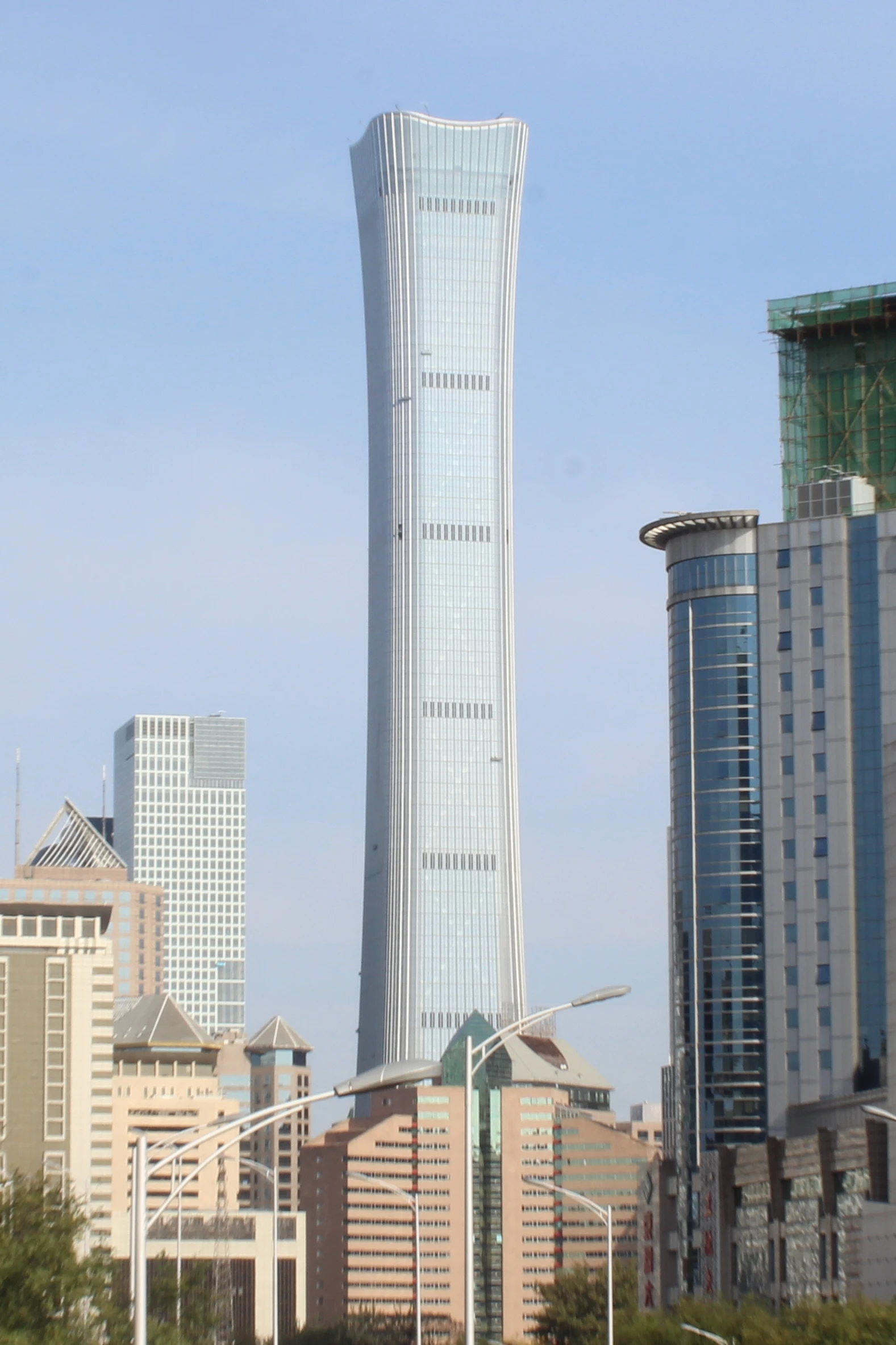
The aircraft struck the 109-storey tower, also known as China Zun, which serves as a CITIC Group headquarters building and stands as one of the defining symbols of Beijing’s modern financial district. The building rises near the Forbidden City and not far from Zhongnanhai, where China’s top political leadership is based, adding to the sensitivity of a crash that unfolded in one of the city’s most closely watched zones.
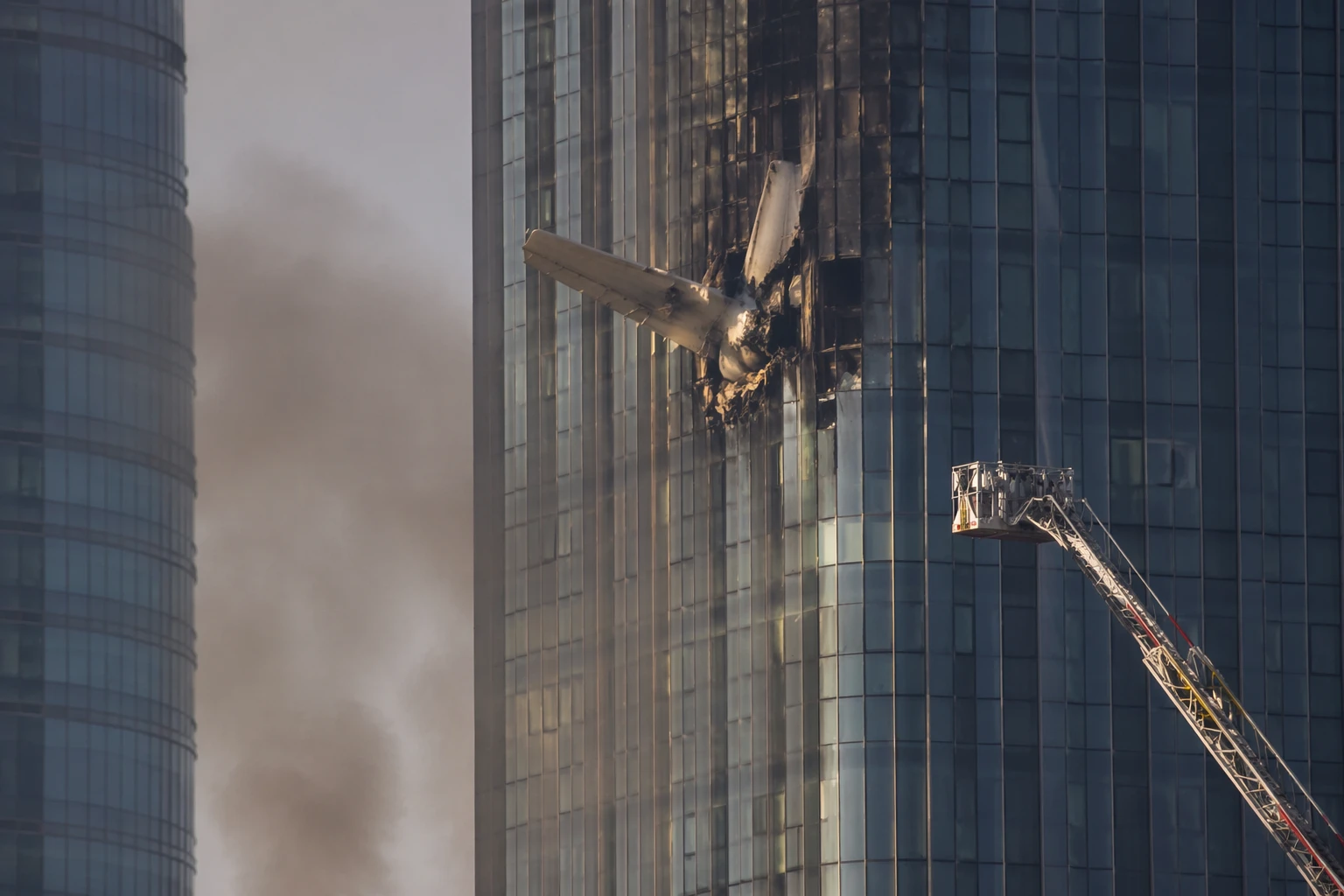
Chaoyang district officials said they were investigating the crash but had not given a cause, and Civil Aviation Administration of China officials did not immediately comment. Additional reporting identified the plane as a Sunward SA60L Aurora, a Chinese-made single-engine light sport aircraft with two seats and registration B-12PP. That reporting said the aircraft had departed from Shifosi Airport in Beijing’s Pinggu district before hitting the tower.
The grounding landed with particular force because China has spent years trying to build a larger low-altitude economy while keeping strict state control over urban airspace. Flight schools, recreational operators and private aviation firms now face a fresh period of uncertainty as a nationwide order effectively pauses light recreational aviation, even as authorities have not publicly announced the restrictions. For companies that fly training routes, tourist trips or privately owned light aircraft, the episode sharpened the risks of operating in a system where access to airspace can narrow quickly after a high-profile accident.
Photos and video of the crash were quickly scrubbed from Chinese social media, underscoring how sensitive the incident became as officials moved to contain both further danger and public scrutiny. The speed of the response fit a familiar pattern in China: when a rare, visible accident exposes a regulatory gap, the default is often broad control first and explanation later.
Sources
- [1]usnews.com
- [2]kpf.com
- [3]baike.baidu.com
- [4]airlive.net
- [5]airdatanews.com
- [6]abcnews.com