Technology
China Increases Oversight of AI Startups
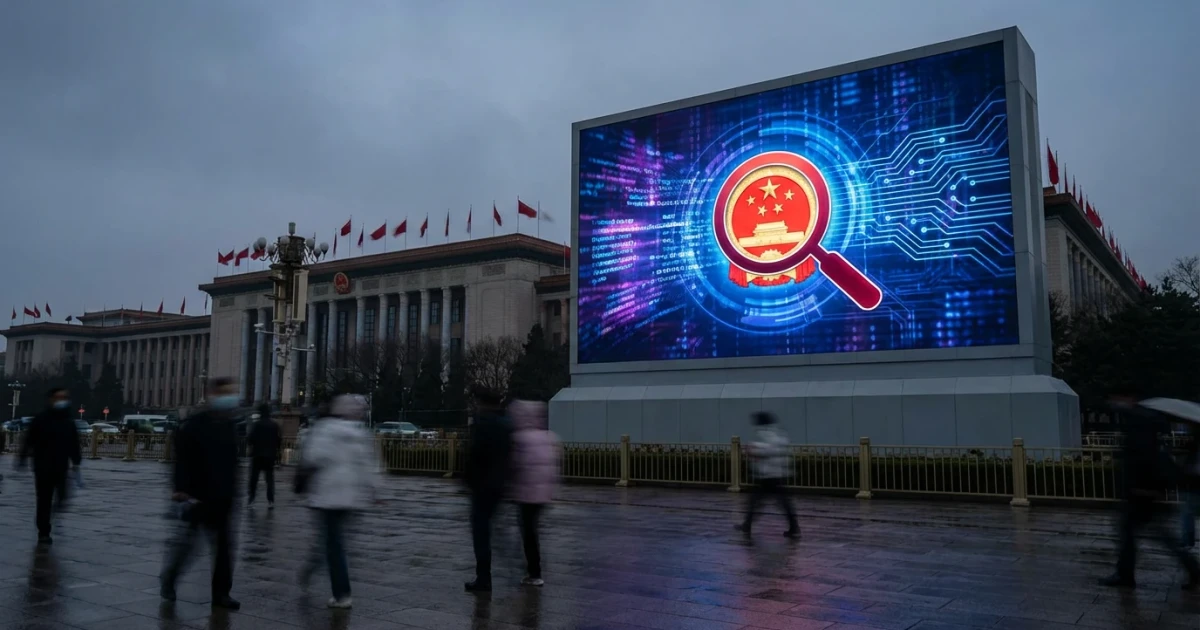
Beijing is stepping up its regulatory oversight of artificial intelligence (AI) startups, introducing new requirements and intensifying government scrutiny over the country’s rapidly expanding AI sector. The latest measures, highlighted in a recent Washington Post briefing, reflect China’s commitment to balancing technological innovation with national security and ethical considerations.
Regulatory Landscape Grows Tighter
China has been steadily building a comprehensive framework to govern the development and deployment of generative AI technologies. In recent months, authorities have rolled out Interim Measures for the Management of Generative Artificial Intelligence Services, requiring AI firms to register their algorithms, conduct security assessments, and ensure compliance with content controls.
These rules are designed to address concerns about data privacy, misinformation, and content moderation. By mandating that companies file their AI algorithms with regulators, the government aims to keep pace with technological advancements while minimizing risks associated with unregulated AI deployment.
Impact on Startups and Innovation
China’s AI industry is one of the largest and fastest-growing globally, with thousands of startups contributing to advances in language models, image generation, and other generative tools. According to a white paper from the China Academy of Information and Communications Technology, the sector has seen significant investment and rapid commercialization.
- China’s AI market reached hundreds of billions of yuan in value in 2023.
- The number of generative AI startups has surged in the past two years, with heavy investment from both the state and private sector.
- A growing database of AI algorithms, maintained by the China Artificial Intelligence Industry Alliance, lists registered technologies in line with regulatory requirements.
While the new rules are intended to foster responsible innovation, some industry observers note that compliance costs and bureaucratic hurdles could slow the pace of startup activity. Firms must now navigate a complex landscape of algorithm filings, security reviews, and ongoing monitoring by authorities.
Policy Drivers and Broader Implications
Chinese policymakers emphasize the importance of AI for national development and global competitiveness. However, the tightening grip on AI startups reflects growing concerns about potential misuse, from disinformation campaigns to social instability. The government’s approach is viewed as an attempt to shape the industry’s trajectory while mitigating unintended consequences.
Official records from the National People’s Congress indicate ongoing legislative activity around AI, including public consultations on future regulatory proposals. This dynamic environment means that both established firms and startups must stay vigilant and adaptable as new rules are introduced.
Looking Forward
Beijing’s increasing oversight is expected to shape the next phase of AI development in China, affecting how startups operate and compete. While the regulatory push aims to ensure safety and social harmony, how it impacts innovation and market growth remains to be seen. Industry participants will need to balance compliance with the drive for breakthrough technologies as China seeks to maintain its position as a global AI leader.