World
China investigates senior defense and space official in anti-graft drive
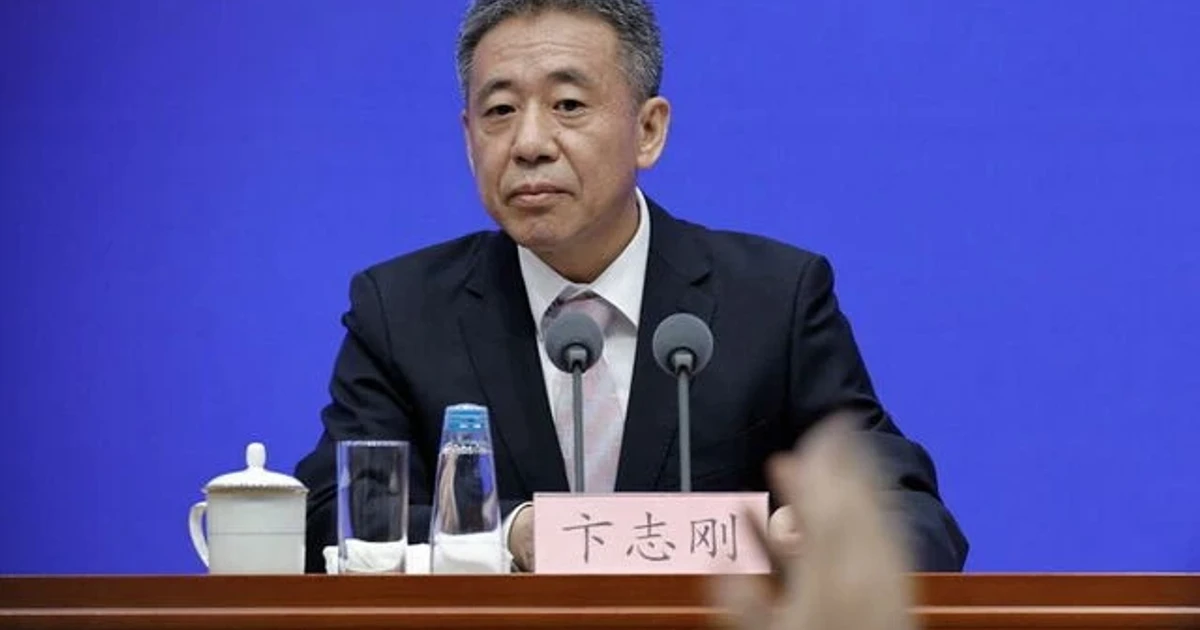
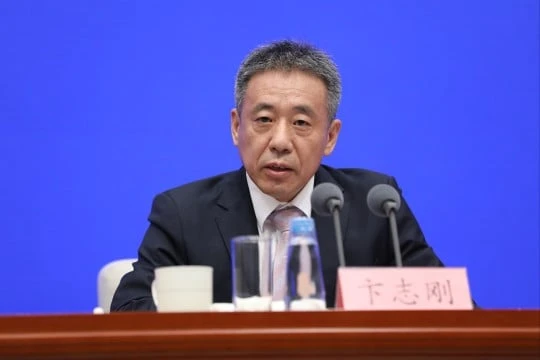
China’s anti-graft watchdog said Bian Zhigang, the deputy head of the State Administration of Science, Technology and Industry for National Defense and the China National Space Administration, was under investigation for suspected serious violations of discipline and law. The move put a senior figure in one of Beijing’s most sensitive industrial and space agencies under fresh scrutiny on June 24, 2026.
SASTIND says it is responsible for coordinating major matters in weapons-equipment research, development and production across nuclear, aerospace, aviation, shipbuilding, armaments and electronics. That makes the agency central to China’s defense-industrial core and to the systems that feed military modernization, satellite launches and advanced manufacturing.
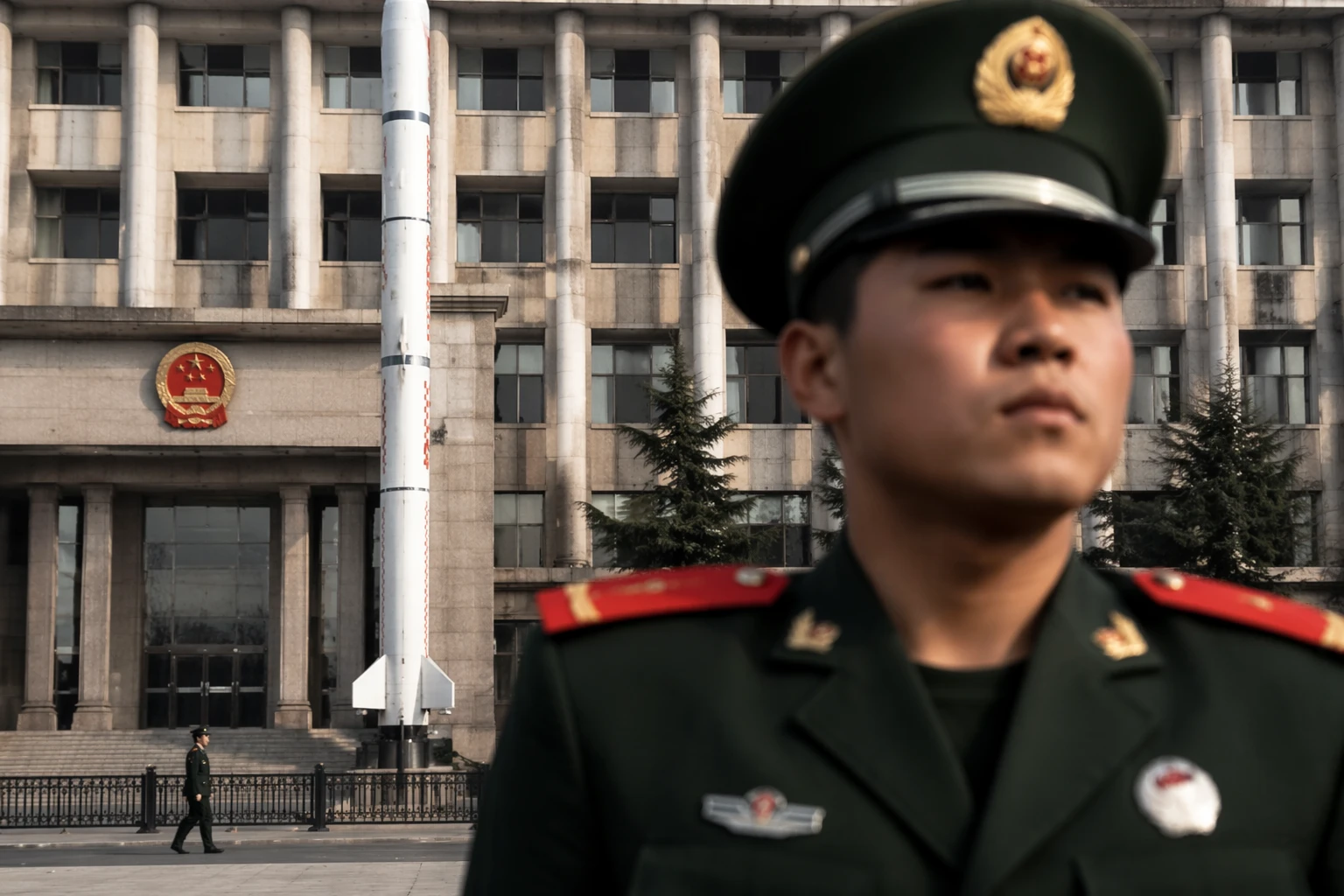
Bian had also been a public face of China’s space ambitions. In June 2024, official Chinese space reporting identified him as a vice administrator of CNSA, and state media quoted him discussing a deep-space roadmap that included Tianwen-2 for asteroid exploration around 2025, Tianwen-3 for Mars sample return around 2030 and Tianwen-4 around 2030. He also described Chang’e-6 as a major technical breakthrough and said China wanted broader international cooperation in space.
The case landed amid Xi Jinping’s long-running anti-corruption drive, which has already reached deep into the armed forces. On May 7, 2026, former defense ministers Wei Fenghe and Li Shangfu were both sentenced by a military court to death with a two-year reprieve over graft charges, a punishment that underscored how aggressively Beijing has pushed the purge inside the military hierarchy. Reuters has also reported that the campaign has recently extended to state-owned arms executives, weapons researchers and nuclear scientists.
For Beijing, the campaign is meant to show discipline inside institutions tied to national power. It also highlights the political sensitivity of the defense and space systems that support China’s missile programs, lunar ambitions and technological self-reliance, and it suggests that scrutiny inside the sector remains intense even as those programs stay central to the country’s strategic competition with the United States.