World
China lands first reusable rocket in boost to space race with US
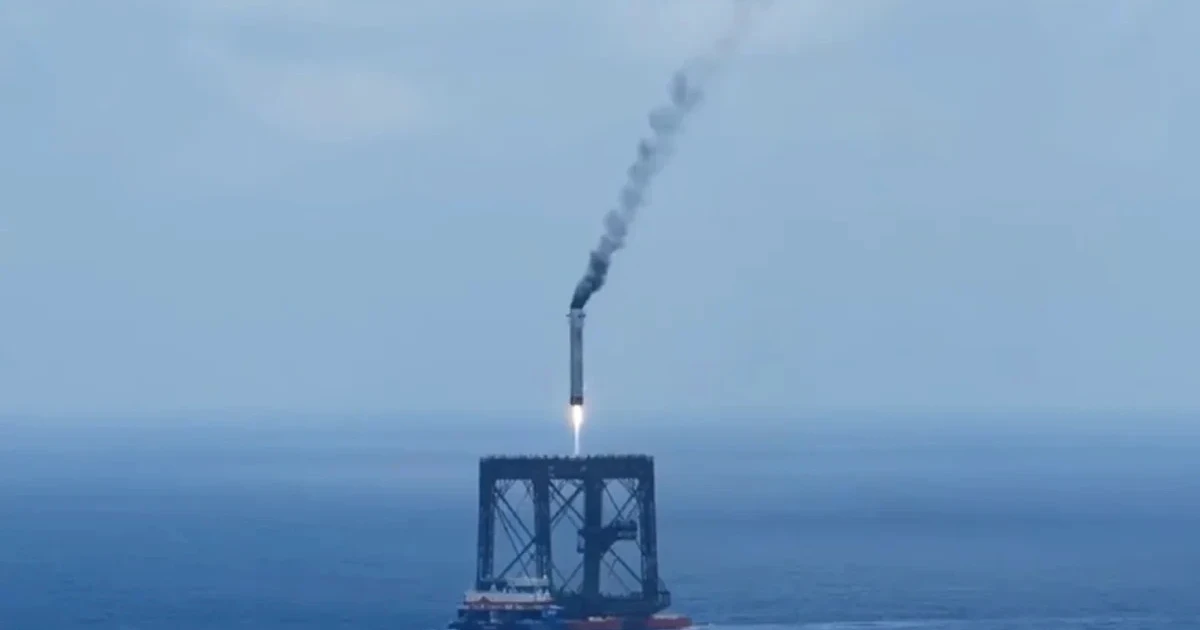
China landed its first reusable rocket on Thursday, sending a Long March 10B off Hainan at 12:15 p.m. local time, placing a satellite into orbit and then recovering the first stage on an offshore platform in the South China Sea. The flight gave Beijing its clearest sign yet that it can move from one-off demonstrations to a more routine launch system built for speed, cost control and scale.
The China National Space Administration called the recovery China’s first successful controlled retrieval of a carrier rocket’s first stage and the world’s first at-sea net-based recovery of a rocket. Reuters reported that the booster returned about six minutes after separation and that the Long March 10B used four landing hooks rather than Falcon 9-style landing legs. Chinese aerospace shares jumped after the launch, a market reaction that reflected the commercial stakes as much as the technical one.
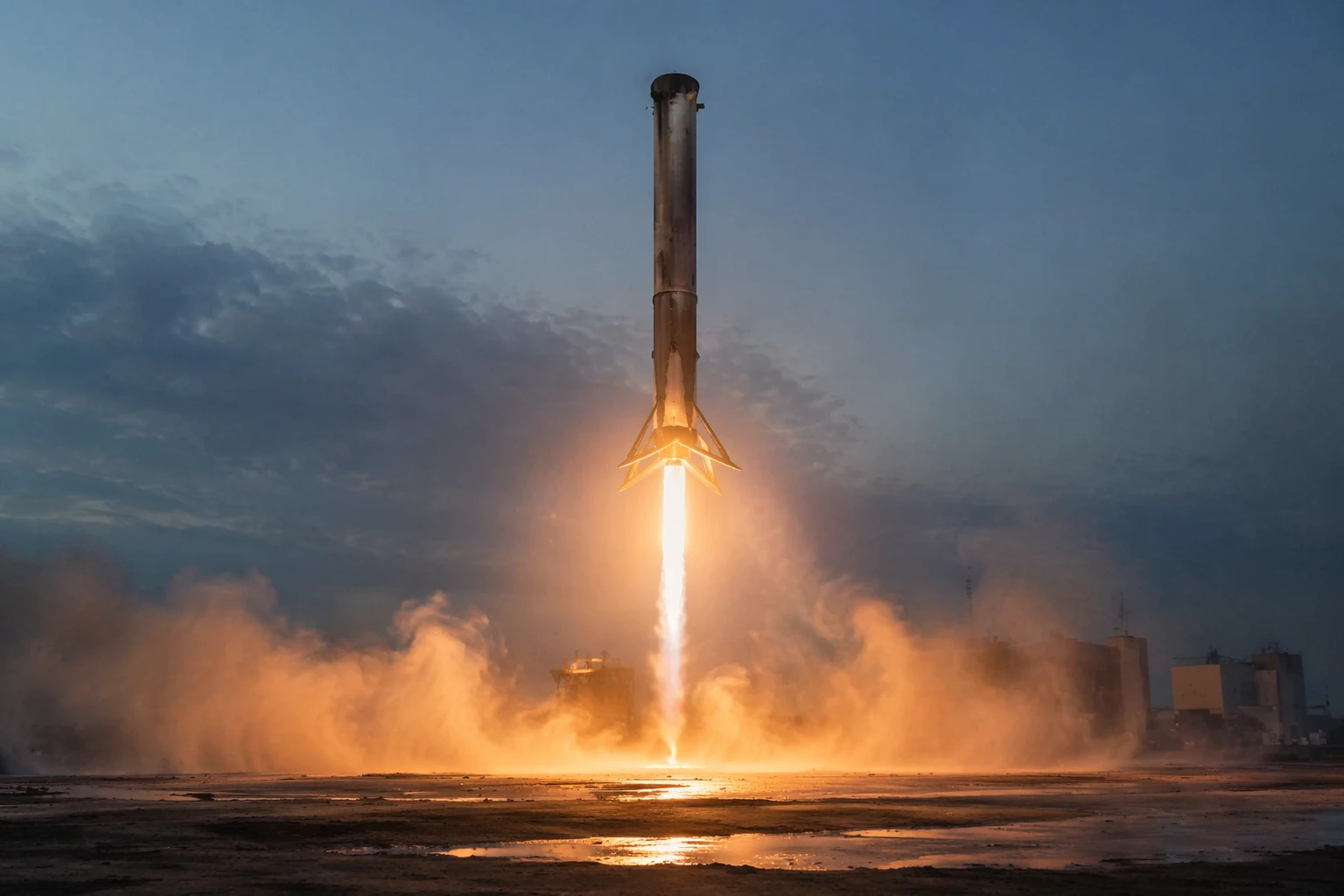
Reusable rockets sit at the center of the competition between China and the United States because they can cut launch costs and support larger satellite constellations, including systems with military and civilian uses. The Long March 10B is capable of carrying at least 16 metric tons to low Earth orbit, and China has spent nearly a decade developing reusable launch hardware as it pushes deeper into satellite internet, BeiDou navigation, on-orbit servicing and other dual-use capabilities. A late-2025 assessment from the Center for Security and Emerging Technology said China was on track to fully achieve its space strategy by 2027, aside from debris-mitigation goals.
China’s space gains have come fast. Tiangong was finished in late 2022 and has hosted continuous six-month astronaut crews since then. Chang’e-6 returned the first samples from the far side of the Moon in 2024, and Tianwen-2 launched in 2025 to study an asteroid and a comet. China Aerospace Science and Technology Corporation had planned 100 orbital launches in 2024, a pace that underscores how Beijing is treating launch capacity as industrial power, not just prestige.

NASA has built its response around the Moon-to-Mars architecture. The agency’s December 2024 update added a lunar surface cargo lander and an initial lunar surface habitat, while continuing yearly decisions on the systems meant to carry astronauts back to the Moon and eventually toward Mars. The broader contest, analysts at the Center for Strategic and International Studies have noted, is more militarily relevant and more tightly tied to industrial policy and alliances than the old Cold War race ever was. If China proves it can operate reusable launchers more consistently, Washington’s real challenge will be matching cadence, not just headlines.
Sources
- [1]nytimes.com
- [2]channelnewsasia.com
- [3]yahoo.com
- [4]csis.org
- [5]cset.georgetown.edu
- [6]nasa.gov
- [7]spacenews.com
- [8]planetary.org