World
China landslide death toll rises as heavy rains continue
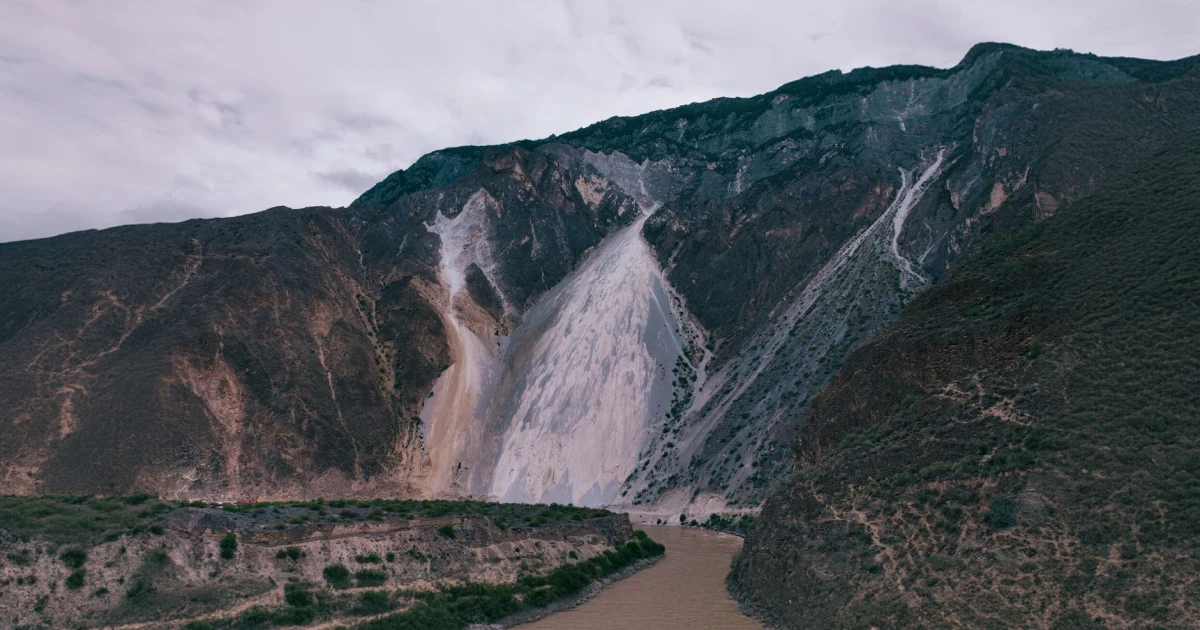
Flash floods in Gansu Province killed 25 people and injured 23 more last week as heavy rain kept battering northwest China, while a separate landslide in Tanchang County had already left 21 dead. The sequence showed how quickly a storm system can turn a mountain slope and a river valley into overlapping emergencies.
The Tanchang County slide struck early on July 7 in a valley in mountainous northwest Gansu, trapping 33 people, most of them temporary laborers from nearby villages. Reuters said at least five people were initially confirmed dead and 12 others were missing after the collapse. By July 8, Xinhua said rescue operations at the site had been completed and the death toll had risen to 21 dead and seven injured.
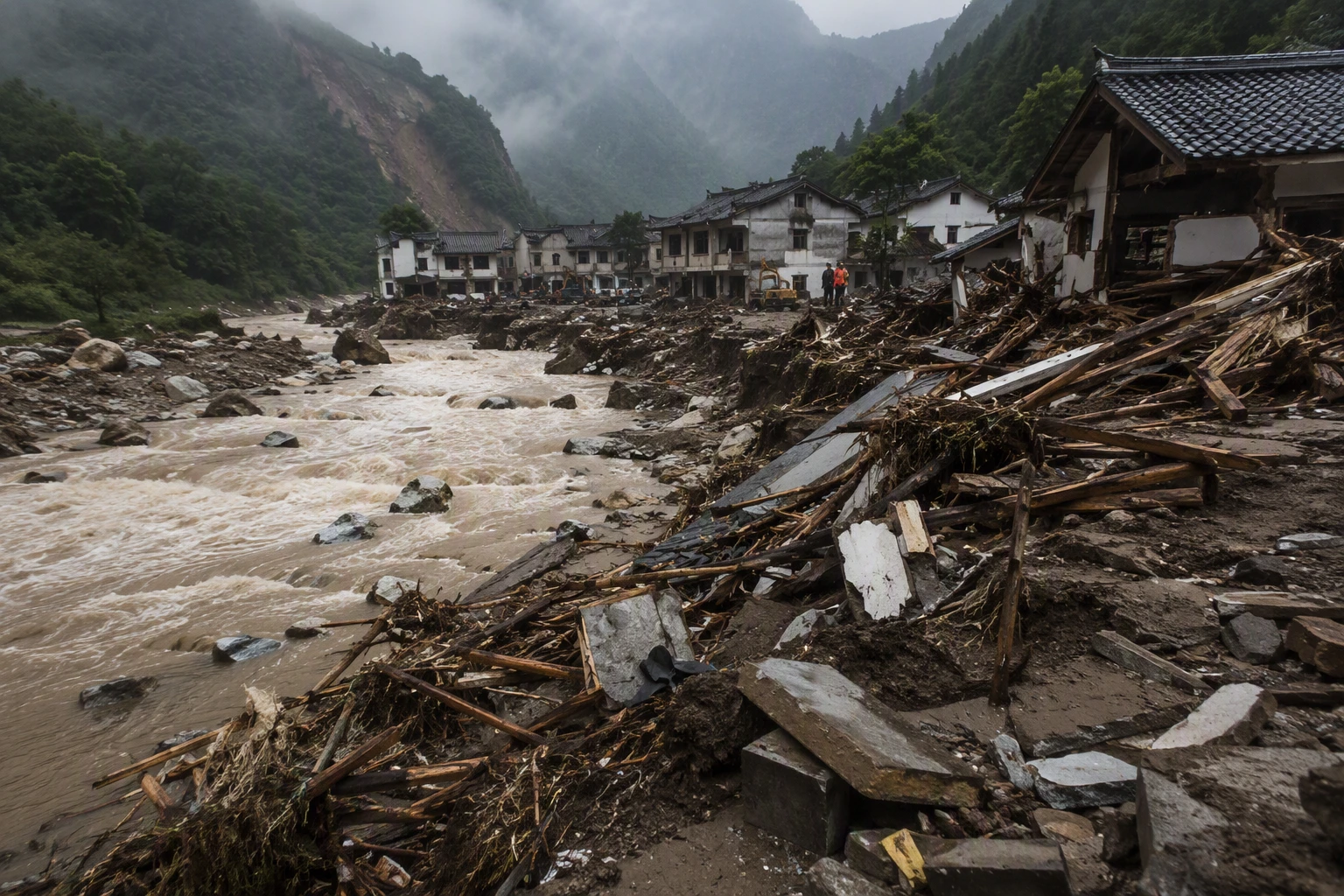
Heavy rain made every step of the response harder. In terrain like Gansu’s, saturated soil can loosen hillsides, bury roads and cut off access routes that rescue crews need to reach isolated villages. Reuters had warned on July 30 that northwest China was already on high alert as rainfall raised the risk of floods and landslides, underscoring that local authorities were dealing with dangerous conditions before the later flash-flood toll was reported.
Beijing moved quickly to support the response. Xinhua said China’s top economic planner allocated 30 million yuan, about 4.4 million U.S. dollars, in central natural disaster relief funds after the landslide. The money was earmarked for local relief and restoration work, including rebuilding damaged infrastructure. That kind of spending matters in provinces such as Gansu, where mountain roads, drainage systems and hillside settlements can be vulnerable when storms linger.
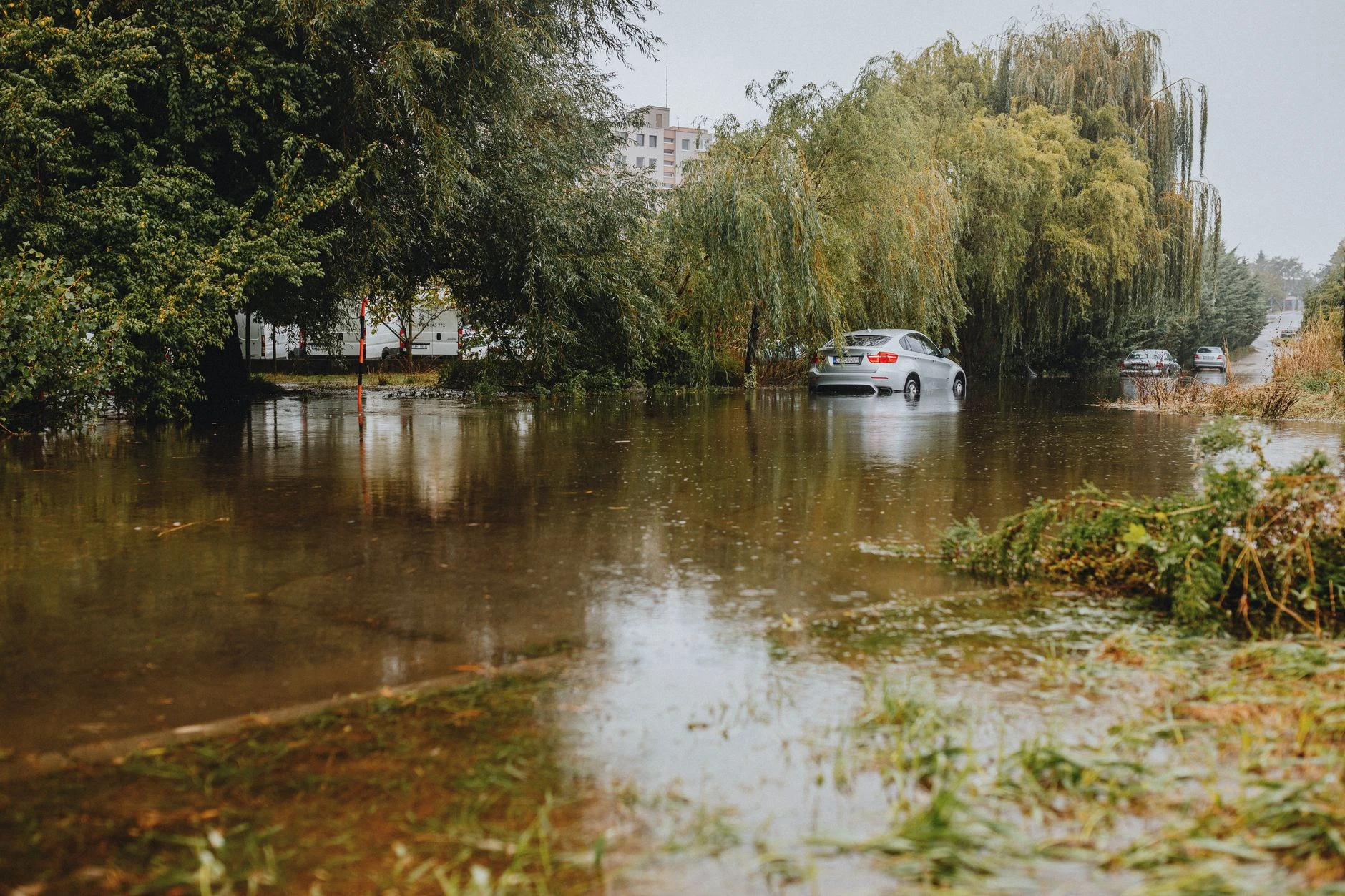
The broader pattern is not new. Gansu has long faced deadly slope failures, including the 2010 Gansu mudslide, and the latest round of disasters fits a wider concern about how extreme rainfall is testing inland provinces with fragile terrain and limited room for error. In places where temporary workers live close to steep slopes and flood channels, a single night of rain can trigger losses that extend well beyond one village.
Sources
- [1]reuters.com
- [2]english.news.cn
- [3]en.wikipedia.org