World
China landslide kills eight, 34 missing in Chongqing rescue effort
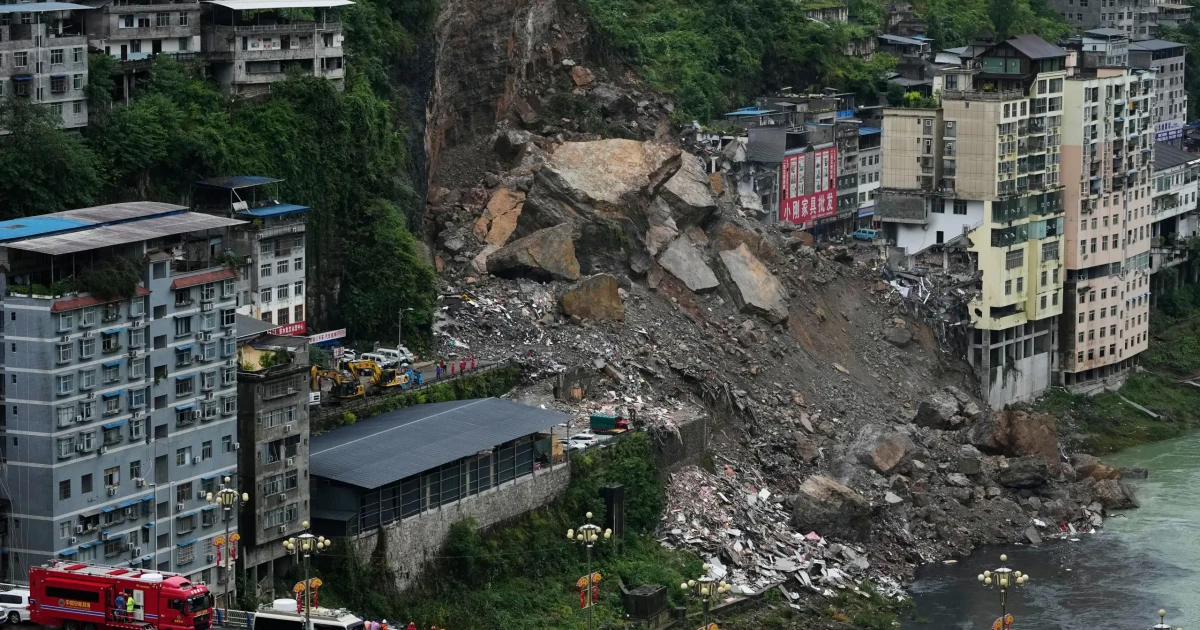
Rescuers kept digging through a debris field in Pengshui County, Chongqing, after a landslide killed eight people and left 34 missing, while more than 1,100 residents were evacuated from the area. Crews used excavators and other heavy machinery to search the rubble as the operation moved against the clock.
The slide struck around 9:08 a.m. on Friday, July 17, in Pengshui Miao and Tujia Autonomous County in southwestern China, along the Wujiang River. More than 10 residential buildings were buried, leaving a dense search zone of collapsed homes and broken ground on the river’s edge. Heavy rain helped trigger the failure, adding to the danger for both residents and rescuers.
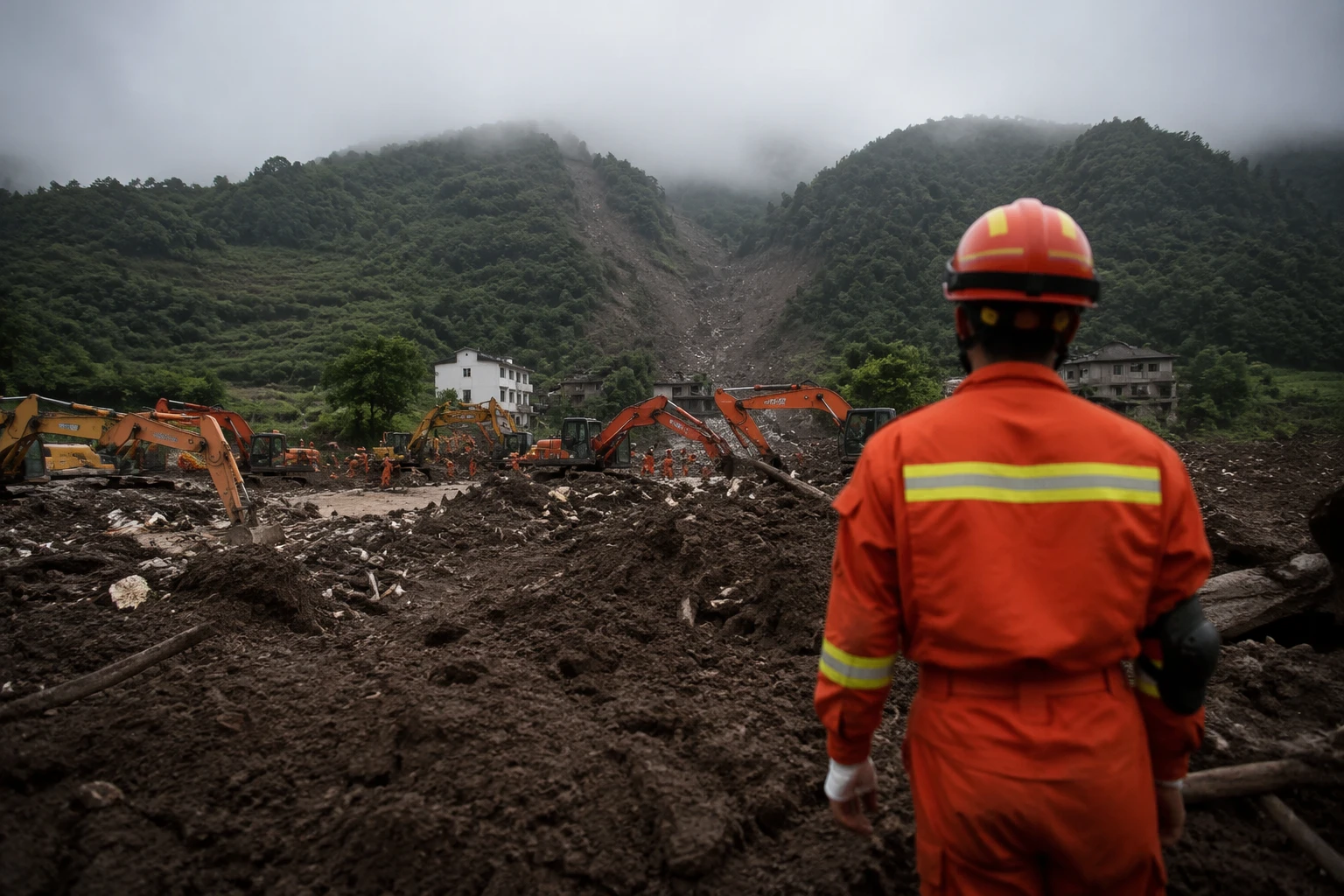
Chinese President Xi Jinping ordered rescue efforts and an investigation into the cause of the disaster, while Beijing activated a Level 2 national emergency response. That response turned the landslide into a test of how quickly authorities could mobilize in a steep, rain-soaked county where unstable slopes can collapse without warning and cut off access for emergency vehicles.
State media images showed search-and-rescue operations under way as emergency teams worked in difficult terrain. The urgency was clear: each hour narrowed the chance of finding anyone trapped under the debris. The combination of heavy rain, steep slopes and homes built in vulnerable ground made the Chongqing disaster part of a familiar pattern in China’s southwest, where landslides have repeatedly followed intense seasonal weather.
The scale of the damage also raises harder questions about preparedness in rural mountain communities. More than 1,100 people were evacuated, but the burial of multiple residential buildings shows how quickly a localized slope failure can turn into a mass-casualty emergency. Whether drainage work, slope stabilization or earlier warnings could have reduced the toll will be central to the investigation now underway. For Pengshui County, the immediate task remained the search; the broader one is deciding how to keep a rain-triggered collapse from becoming a recurring catastrophe.
Sources
- [1]apnews.com
- [2]pbs.org
- [3]reuters.com
- [4]aljazeera.com
- [5]channelnewsasia.com
- [6]english.www.gov.cn
- [7]amp.scmp.com