World
China lines up second terminal for sanctioned Russian LNG imports
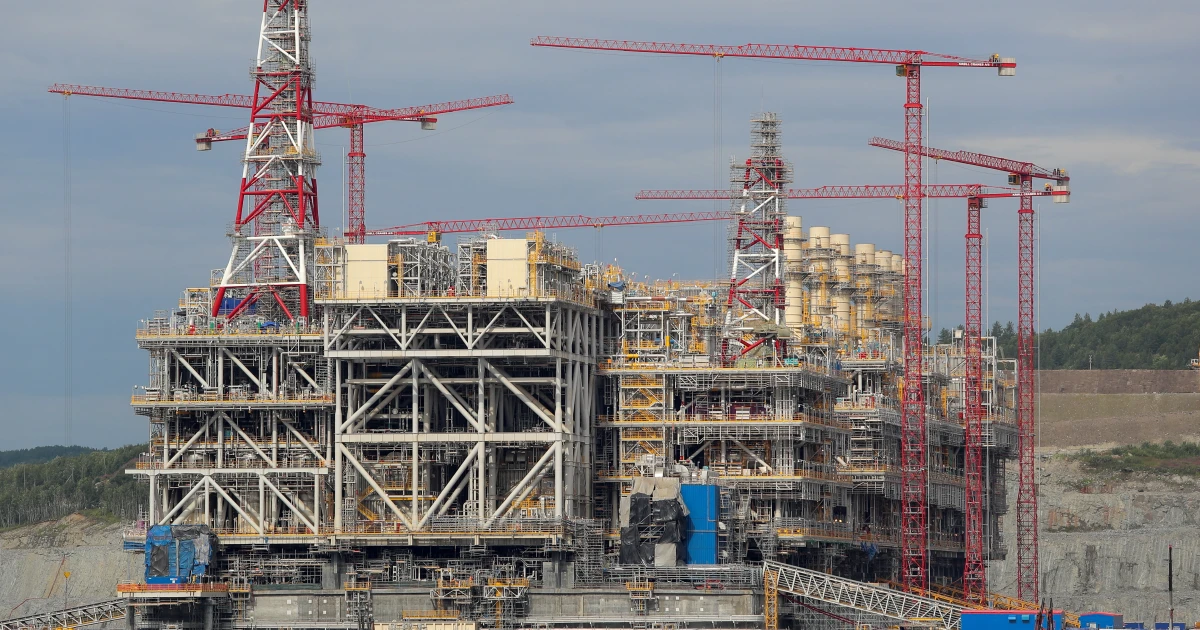
China is preparing to open a second route for sanctioned Russian LNG, with the Longkou terminal in Shandong province lining up to receive cargoes from Arctic LNG 2. If the move goes ahead, it would give Moscow another outlet for gas that has struggled to find buyers since U.S. sanctions hit the project in late 2023.
The shift matters because China has already become the only known buyer of LNG from Arctic LNG 2. Since the first delivery to Beihai in Guangxi in August 2025, that terminal has received 41 cargoes, equal to about 2.6 million metric tons of LNG. Beihai has also taken three cargoes from Russia’s sanctioned Portovaya LNG terminal, underscoring how sanctioned flows have found a foothold in Chinese import infrastructure.
Arctic LNG 2 is designed to produce 19.8 million metric tons a year, a scale that makes every new outlet important for Novatek, the project’s backer and Russia’s largest independent gas producer. The plant resumed gas processing in late March 2025 but was still operating at low capacity, with two production trains completed and work on a third postponed. The broader effect is clear: each terminal added in China weakens the pressure campaign around Moscow’s energy exports and keeps a sanctions-hit project alive.
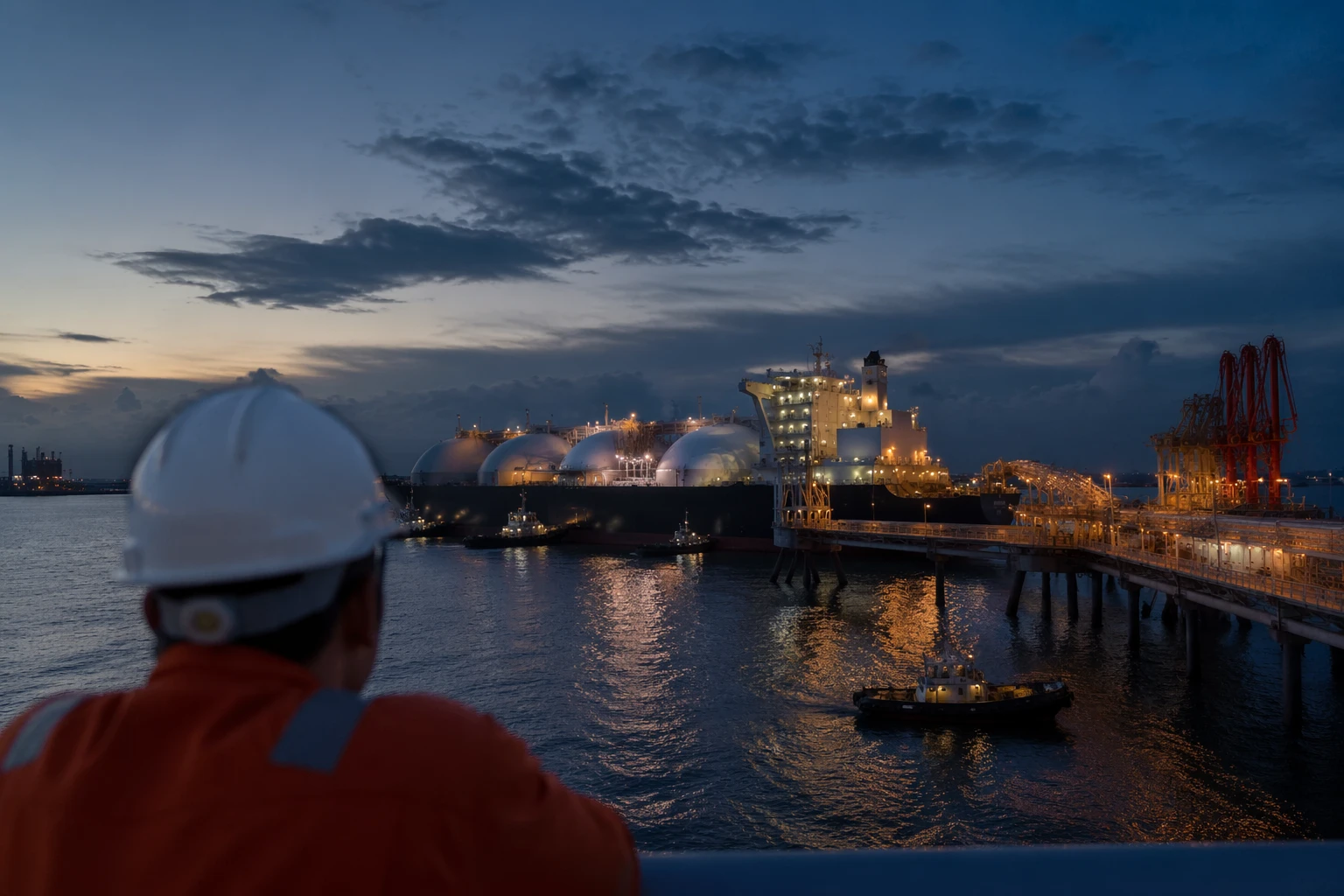
Longkou, operated by PipeChina, has completed its mechanical build phase and is expected to be ready before October 2026, in time for peak winter demand. Its first phase has an annual receiving capacity of 5 million metric tons, smaller than Beihai’s 6 million, but enough to widen the number of Chinese entry points available for Arctic LNG 2 cargoes. Longkou is also closer to the Koryak floating storage unit in Russia’s Far East, where cargoes are staged before shipment, making it a logical fit for the trade.
China imported 7.57 million metric tons of gas from Russia last year, showing how central the bilateral energy relationship has become. With the European Union planning to phase out Russian energy by 2027, the Kremlin’s LNG strategy is increasingly dependent on Asian buyers, especially China. Separate reporting in June said construction modules for Arctic LNG 2’s third production line were moving again from China to Russia after a nearly two-year pause, a sign that sanctions have constrained the project but not ended its long-term ambitions.