Business
China manufacturing activity returns to growth on strong tech exports
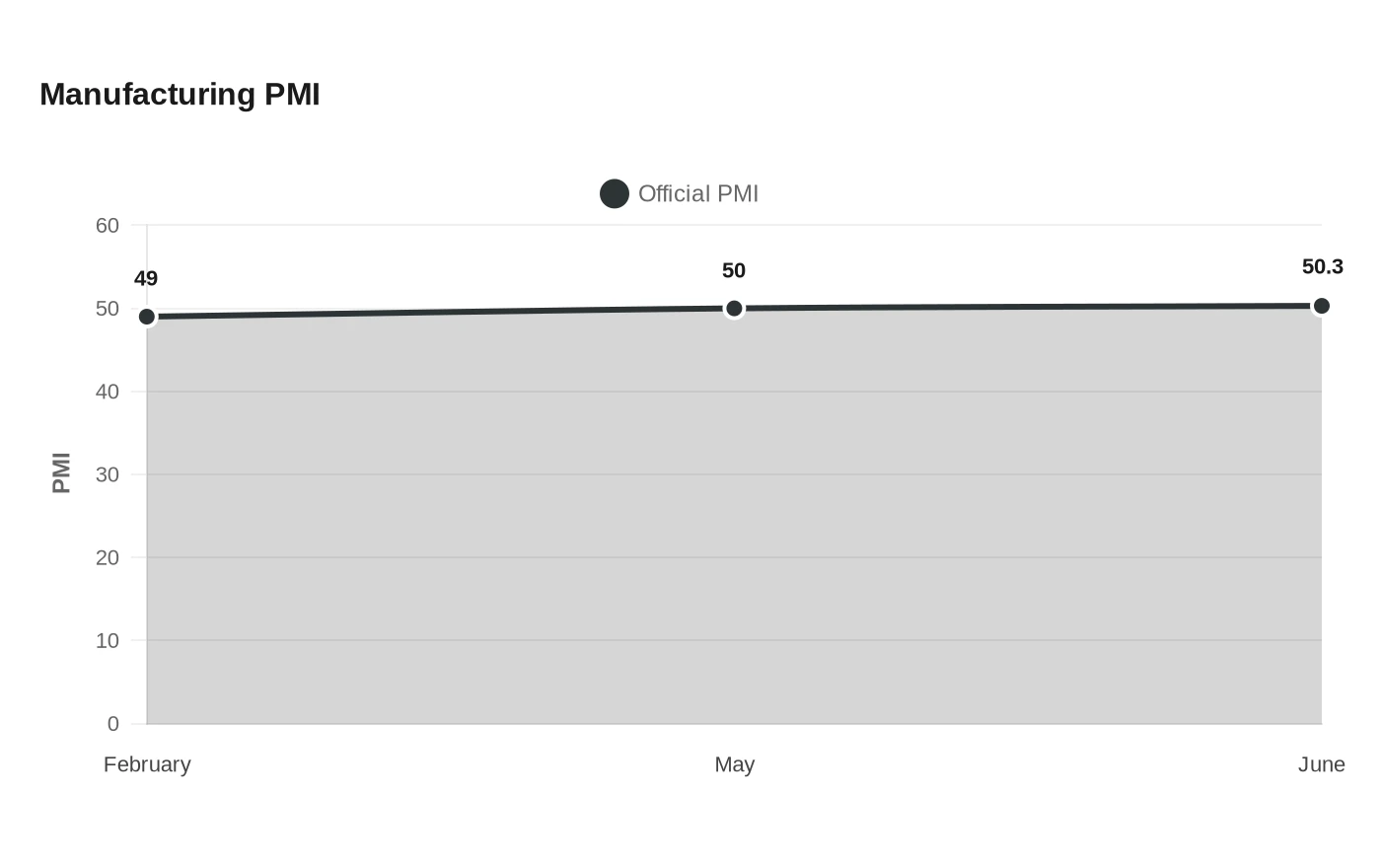
China's official manufacturing PMI rose to 50.3 in June from 50.0 in May, pushing factory activity back into expansion and topping economists' 50.1 forecast. The National Bureau of Statistics said the reading was the sector’s second-highest this year, after a February low of 49.0, underscoring how quickly China’s industrial cycle has swung from contraction to a narrow recovery.
The lift came from overseas demand rather than a broad domestic rebound. The new orders sub-index climbed to 51.2 in June from 49.9 in May, and new export orders returned to expansion at 50.1 from 48.6. Demand for chips, computers and other AI-related products helped drive the improvement, while high-tech manufacturing continued to benefit from the global artificial-intelligence investment boom. At the same time, real estate development and consumer goods production remained under pressure, leaving China’s recovery uneven.
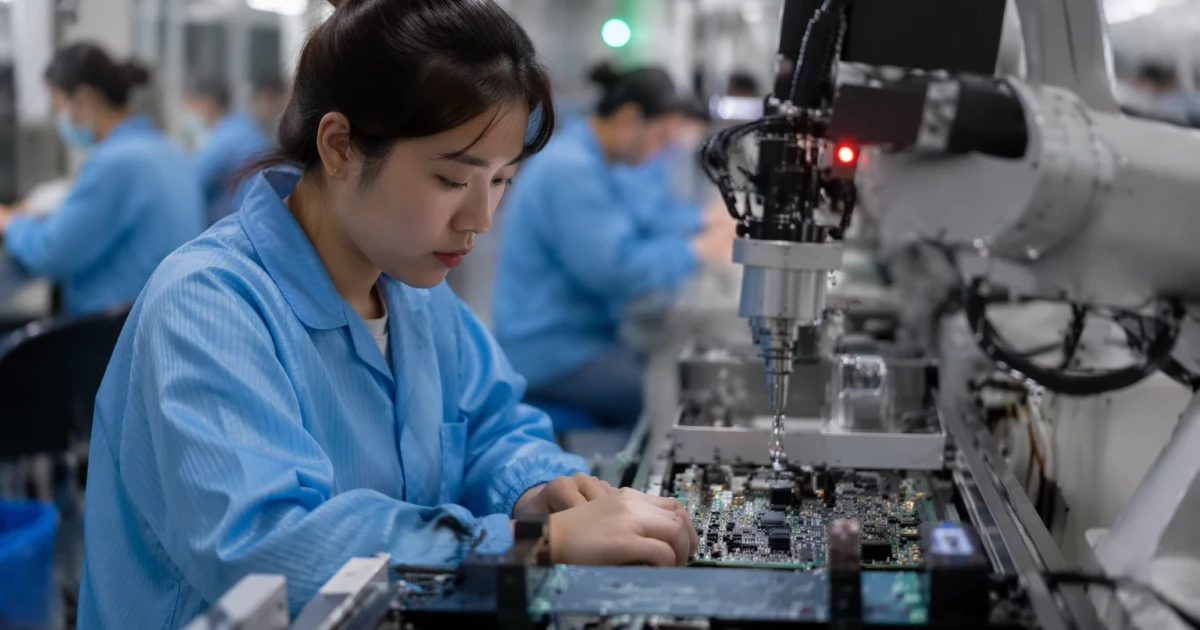
The numbers matter far beyond Beijing because China remains deeply embedded in U.S. supply chains. Stronger shipments of electronics, components and AI-related hardware can ease bottlenecks for American manufacturers and retailers, while also adding pressure to trade negotiations if Chinese exporters keep leaning on U.S. demand. Front-loading exports to the United States ahead of tariffs helped offset weakness elsewhere in the economy, a sign that some of June’s strength may reflect timing rather than a lasting pickup in end demand.
The broader business backdrop improved only modestly. The non-manufacturing PMI, which covers construction and services, edged up to 50.2 in June from 50.1 in May, and the official composite PMI reached 50.6, indicating a slight gain in overall activity. But with domestic demand still soft and the factory rebound led by export orders, the economy is still depending on external markets to carry momentum.
That leaves China’s 2026 growth target, set at 4.5% to 5%, hanging in part on whether AI-related exports can keep outperforming. If foreign demand stays strong, the industrial sector could keep edging forward. If the export surge fades, the June reading may look less like the start of a durable recovery and more like a temporary burst of factory activity.
Sources
- [1]news.google.com
- [2]cnbc.com
- [3]msn.com
- [4]english.scio.gov.cn
- [5]global.chinadaily.com.cn
- [6]newsday.com