Business
China may not quickly resume full Gulf oil imports after Hormuz reopening
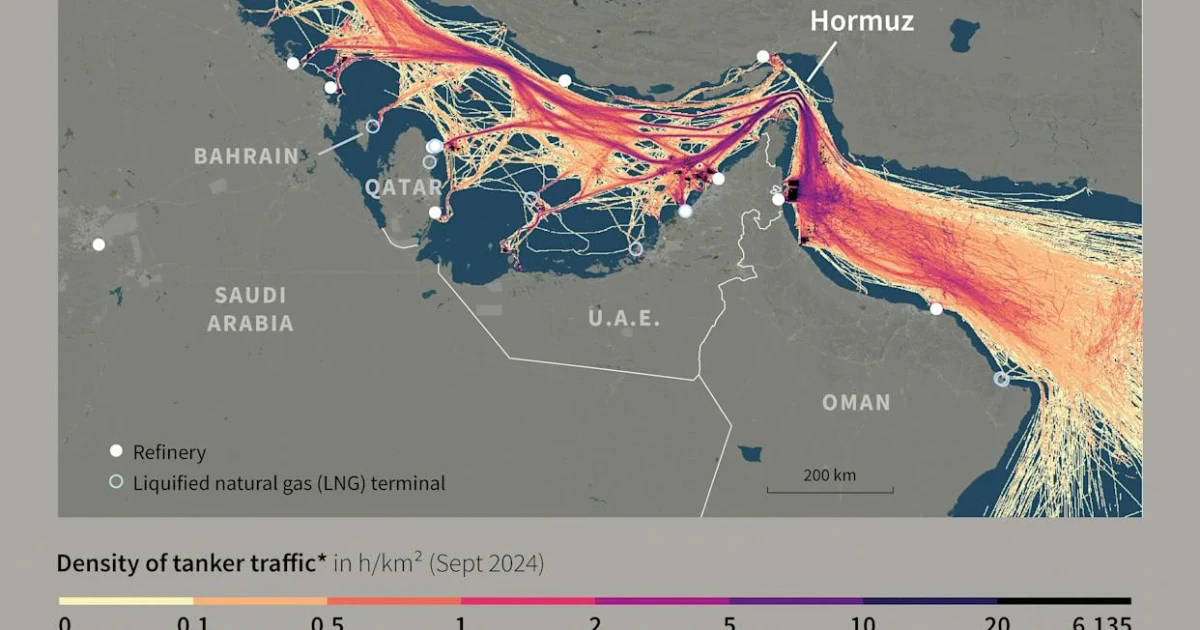
China may not rush back to full Persian Gulf buying even if the Strait of Hormuz reopens, and that delay could keep Beijing in the driver’s seat of a market still short of supply. Since the Middle East war began on Feb. 28, China’s crude imports have fallen from 11.7 million barrels a day in February to just under 9 million barrels a day by late May, a drop that J.P. Morgan analysts said accounted for about 74% of the global decline in crude imports.
That restraint has mattered because global crude supplies have fallen 14% since hostilities began, while Hormuz, which carries roughly one-fifth of the world’s seaborne oil supply, remained disrupted. By sitting out the scramble, China has helped keep Brent crude from surging even faster, even as other buyers bid against one another for cargoes that still have to move through a chokepoint at the mouth of the Persian Gulf.

The reopening itself is unlikely to flip a switch. Industry experts have said traffic through Hormuz could take weeks to normalize, with a phased restart more likely than an immediate return to full flow. Before the war, Lloyd’s List Intelligence estimated weekly transits at about 650 to 770 cargo vessels, or 90 to 110 a day, and the return of that traffic will depend on practical questions that remain unresolved, including prior permission, service charges, naval escorts and mine clearance. A traffic-management role involving Iran and Oman has also been discussed.
China has been able to wait because it entered 2026 with unusually large buffers. The U.S. Energy Information Administration said China, the United States and Japan held the world’s largest strategic oil inventories at the end of 2025, and that China had added large volumes to its strategic stocks during 2025. The agency also noted that in March the United States and other International Energy Agency members agreed to a coordinated emergency release of strategic oil stocks after the effective closure of Hormuz.
That stockpile gives Beijing room to favor commercial inventories over strategic reserves. Separate analysis summarized by Oxford Energy indicated that Chinese refiners were allowed to draw on commercial tanks while the Strategic Petroleum Reserve remained off-limits, a sign that Beijing is managing supply without exposing its deepest buffer. China does not publish transparent inventory data, so estimates rely on official and third-party modeling.
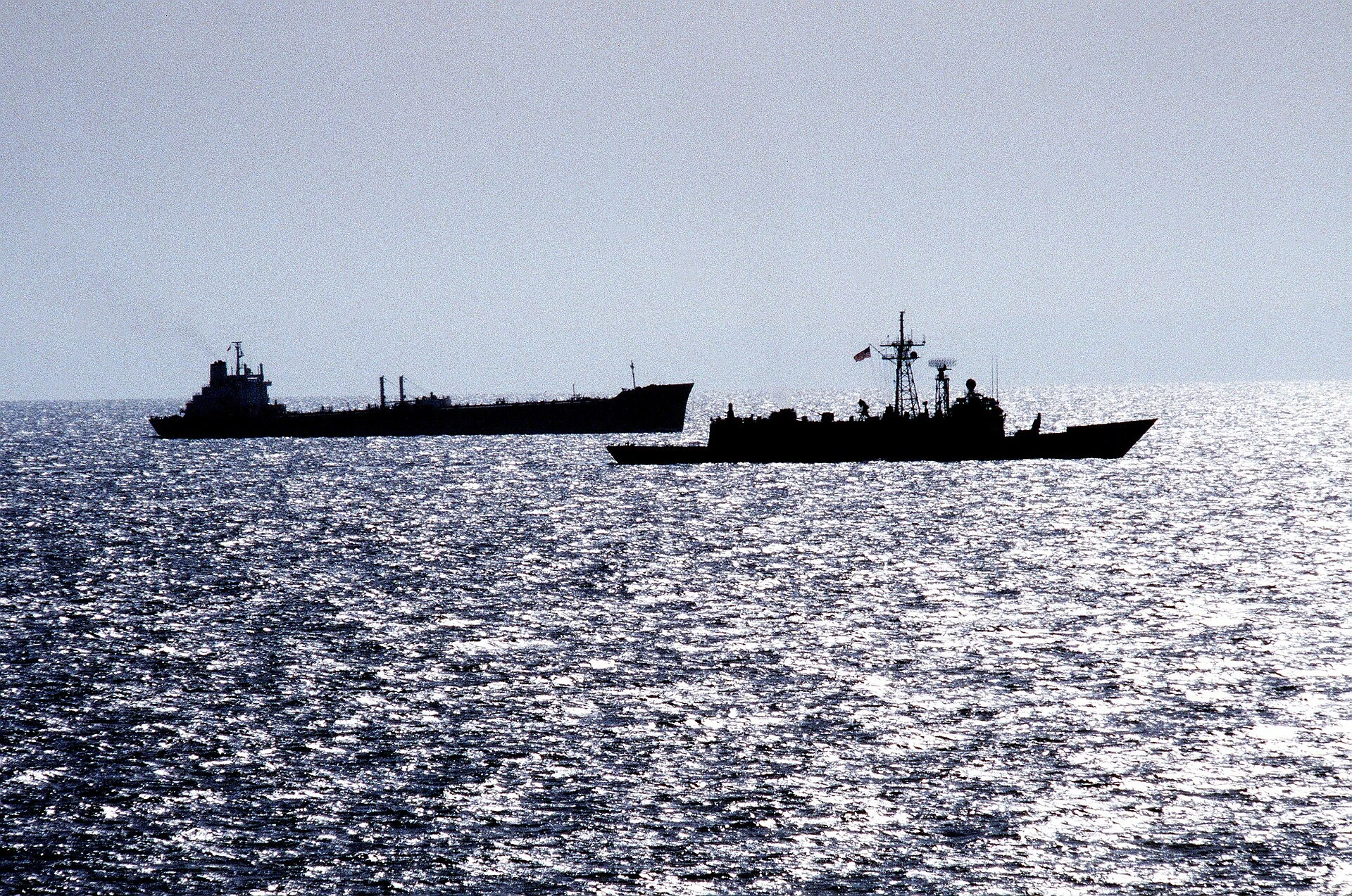
If Hormuz reopens, the first beneficiaries may be tankers, LNG carriers and cargoes already stranded in the Gulf, not an immediate rebound in Chinese purchases from the region. That would leave China’s import pattern below prewar levels for longer, while benchmarks, freight rates and the exposure of Gulf suppliers to fresh disruptions continue to shape the next phase of the oil market.
Sources
- [1]nytimes.com
- [2]cnbc.com
- [3]eia.gov
- [4]oxfordenergy.org