World
China missile test from submarine draws Pacific region concern
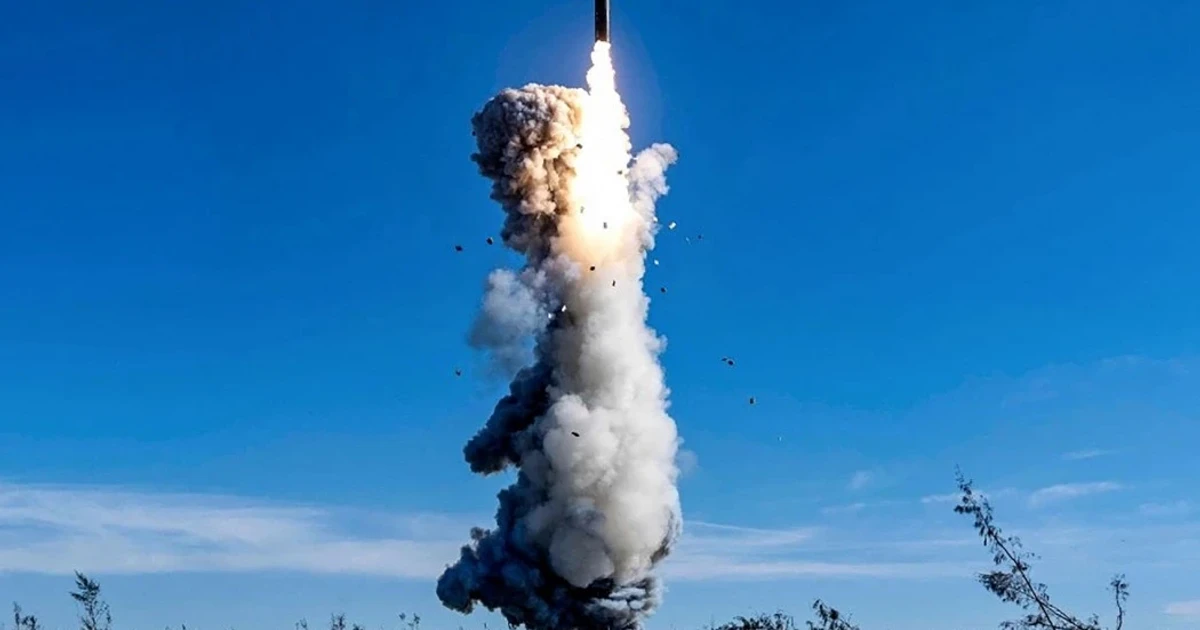
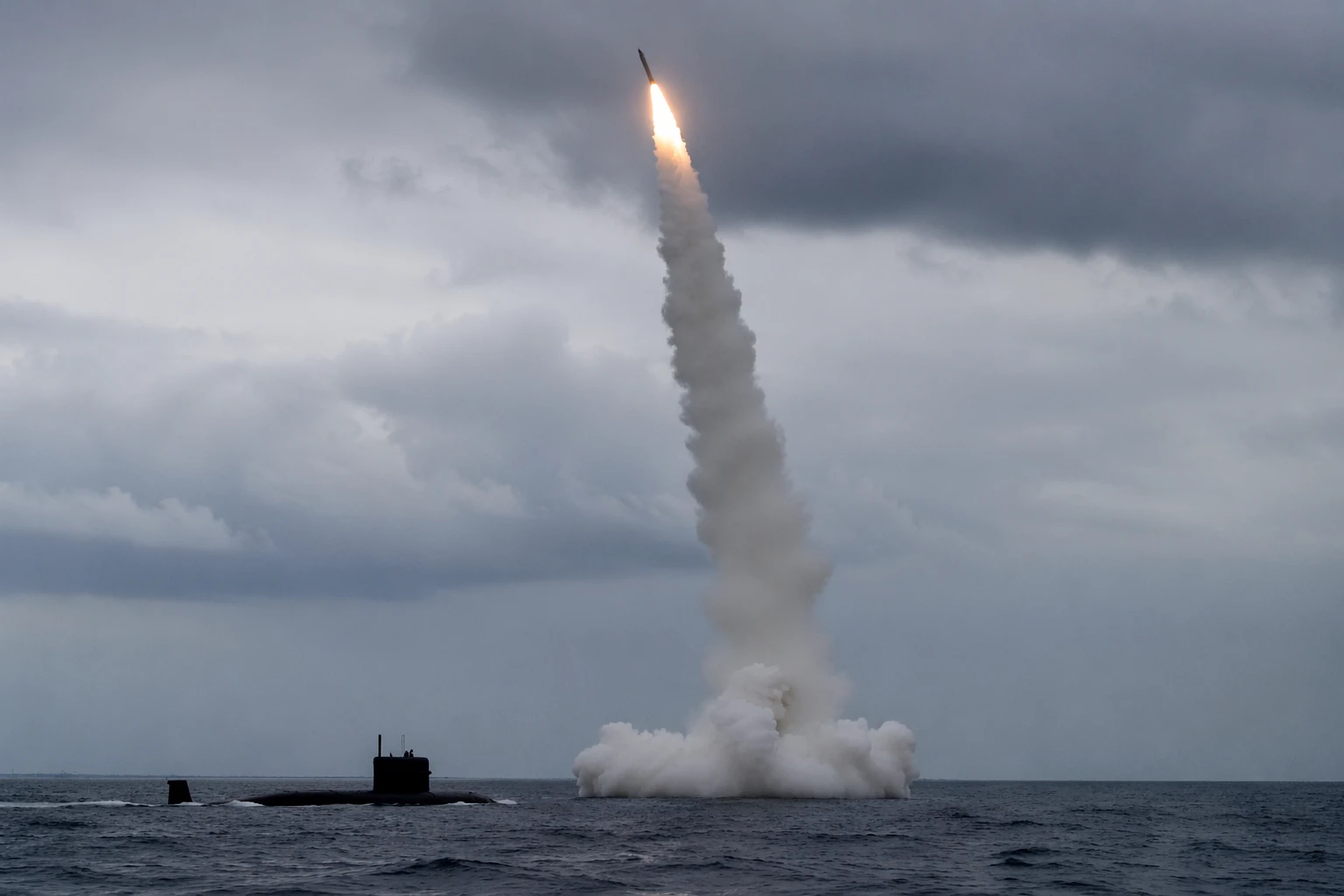
China launched a long-range ballistic missile from a nuclear-powered submarine into the South Pacific with a dummy warhead, a move that immediately drew protest from regional governments and sharpened concern over Beijing’s nuclear reach. The missile was fired at 12:01 p.m., and China said the launch was part of routine annual training, complied with international law and was not aimed at any country or target.
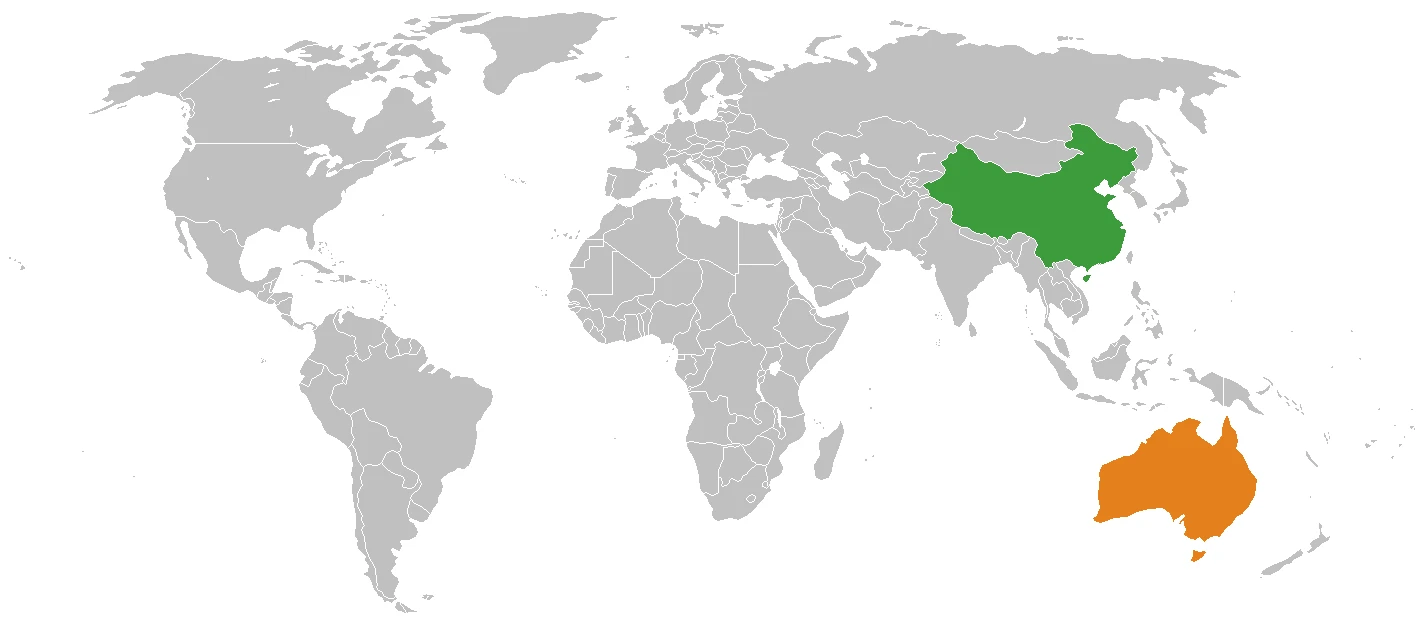
Australia said China had informed it in advance, but Acting Prime Minister Richard Marles said Canberra was "very concerned about any actions that undermine the stability, peace and security of the Pacific." New Zealand said it was briefed hours before the launch, and Foreign Minister Winston Peters called the test "deeply concerned" and an "unwelcome" development. The launch put Pacific governments on edge because it showed China can project a nuclear-capable system far beyond its immediate coastline, into waters where allies of the United States and smaller island states have long pushed to keep nuclear risks in check.
The timing gave the test added political force. Australia and Fiji signed the Ocean of Peace Alliance in Suva on the same day, a pact that is Fiji’s first mutual defense treaty and Australia’s fourth treaty ally arrangement after the United States, New Zealand and Papua New Guinea. Australian officials said they did not believe the two events were linked, but the juxtaposition underscored how closely Pacific security debates are now tied to wider military alignments and competition.
The launch echoed China’s previous Pacific intercontinental ballistic missile test on September 25, 2024, when Beijing fired a long-range missile into the Pacific for the first time since 1980. That test prompted concern from Australia, New Zealand, Japan, Palau and Pacific Island states, many of which cited the South Pacific Nuclear Free Zone framework in their criticism. This time, too, Pacific Island governments and regional groups responded with public protests, even though their leverage over China’s testing decisions remains limited.
Analysts and Pacific regional groups have linked the launches to China’s broader strategic push in the Pacific, where naval reach, nuclear signaling and defense partnerships increasingly overlap. The result is a sharper message to US allies and Pacific states alike: China is willing to test weapons in a theater that has become central to the region’s security balance.
Sources
- [1]cbsnews.com
- [2]usnews.com
- [3]abc.net.au
- [4]rnz.co.nz
- [5]defensenews.com
- [6]apln.network