World
China, Myanmar deepen ties with corridor, port, railway plans
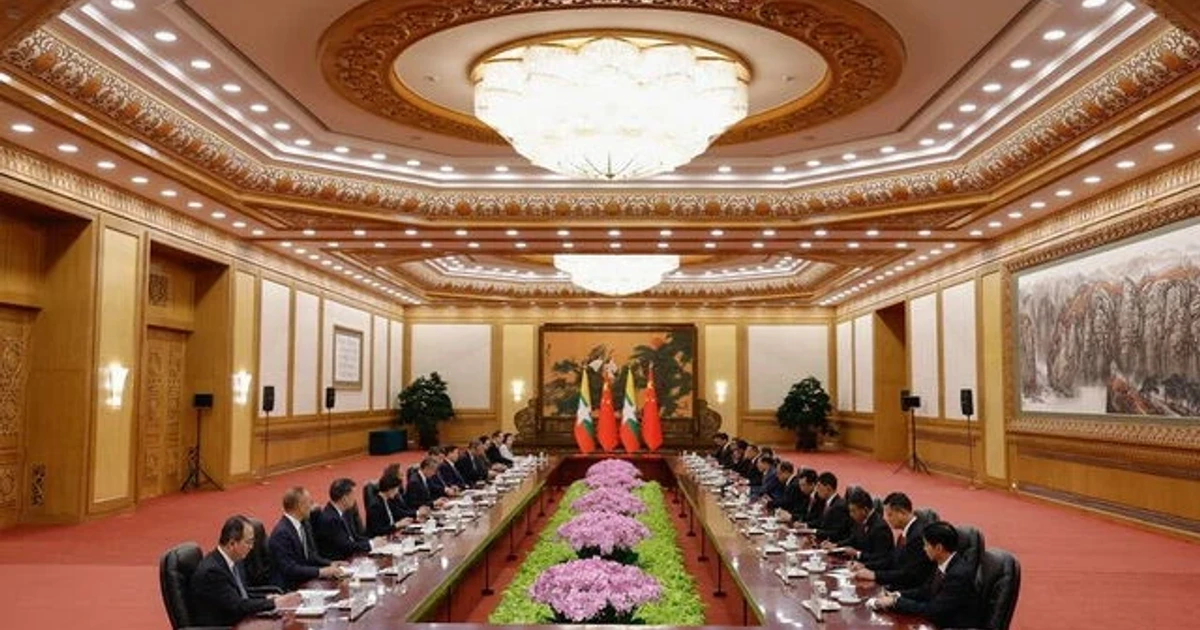
China and Myanmar turned a carefully staged political embrace into a concrete economic and security pact, promising to push ahead with a corridor, a deep-sea port and a railway that could reshape leverage along the 2,200-km border. The joint statement issued on June 17 said both sides would support each other on issues of core interest, block any use of their territory for activities harmful to the other’s security interests and deepen cooperation that stretches from mining to artificial intelligence.
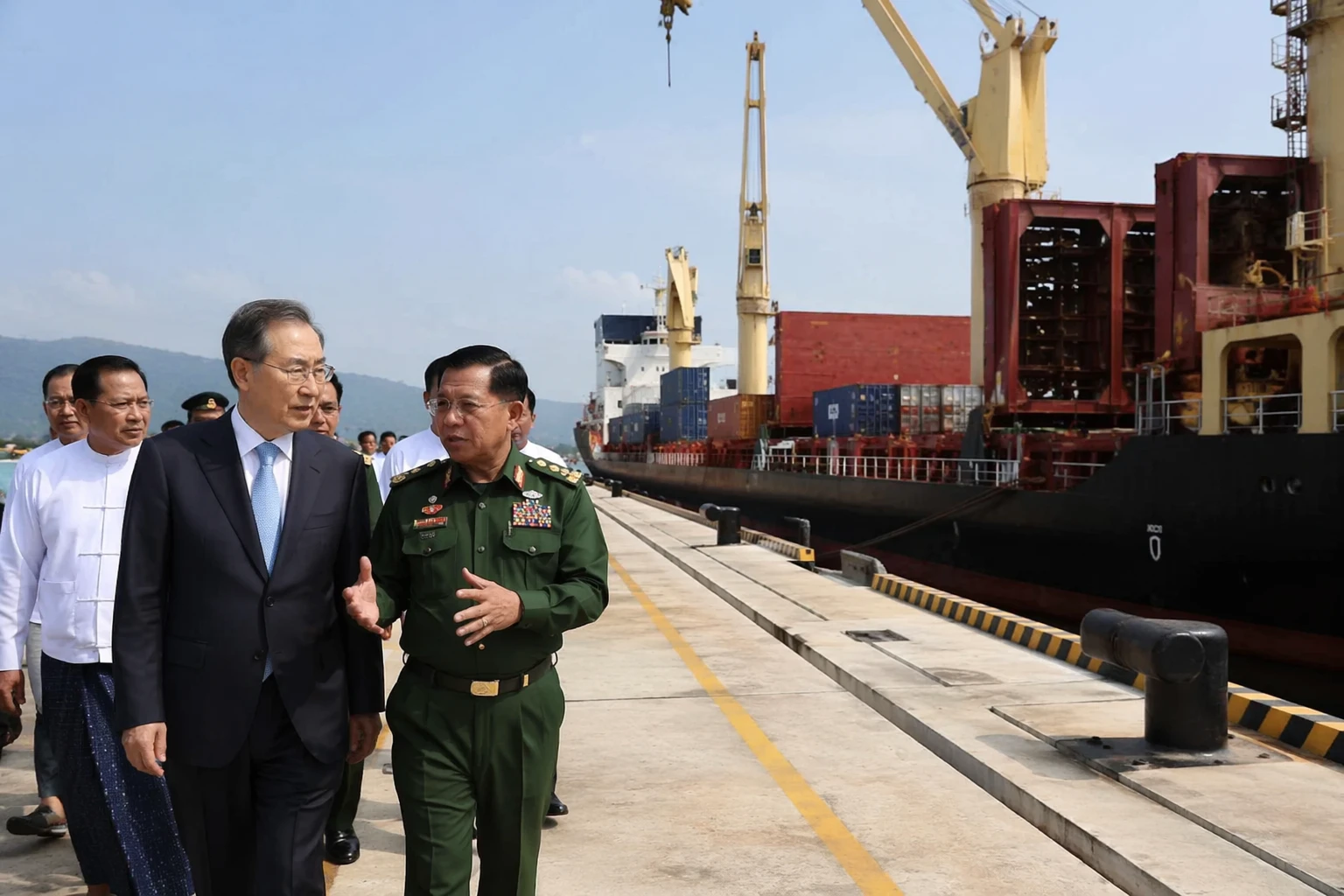
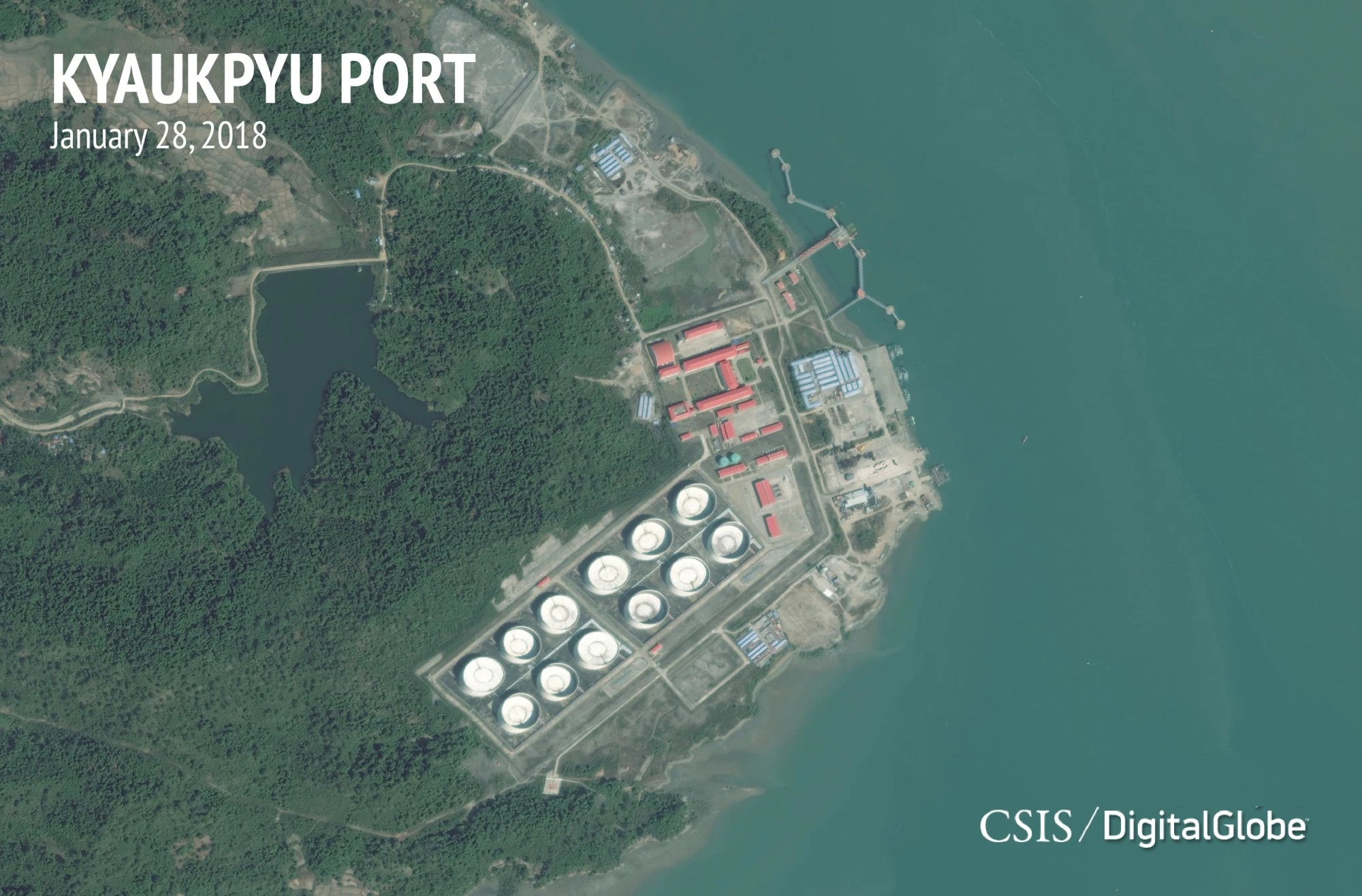
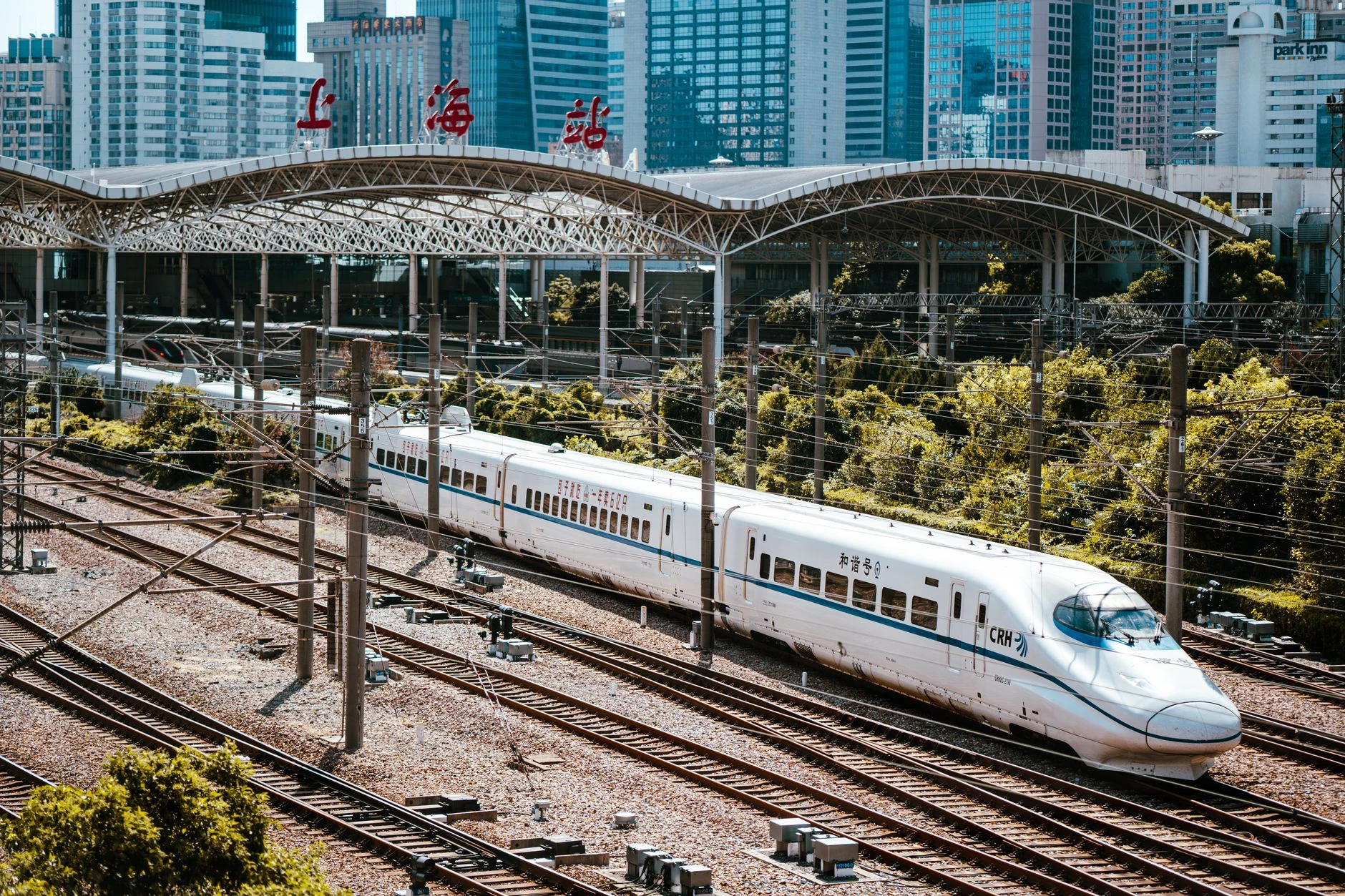
The clearest gains lie in infrastructure. Beijing and Naypyitaw said they would accelerate the China-Myanmar Economic Corridor, including the Kyaukpyu deep-sea port and the Muse-Mandalay railway, projects designed to link China’s southwest to the Indian Ocean through Myanmar. They also pledged to make use of existing oil and gas pipelines and push power-grid interconnection, a sign that the relationship is about moving energy, goods and data as much as it is about symbolism.
That economic agenda carries obvious political value for Myanmar’s military-led authorities. Min Aung Hlaing, who paid a state visit to China from June 15 to 19, met Xi Jinping in Beijing on June 16, and also saw Li Qiang and Zhao Leji. China and Myanmar signed 18 cooperation documents during the trip, covering security, development, trade, health, science, media and infrastructure, underscoring how broad Beijing’s engagement has become at a time when Myanmar remains battered by conflict and isolation after the 2021 coup.
For Min Aung Hlaing, the trip delivered something more valuable than protocol. China welcomed Myanmar’s general election and backed the country’s efforts to advance sustainable peace, stability and development, while Xi publicly signaled support for Min Aung Hlaing’s leadership. That matters because Myanmar’s 2025 to 2026 election, held from December 28, 2025 to January 25, 2026, was widely denounced by opposition figures and rights groups, and Min Aung Hlaing later became president in April 2026. Beijing’s embrace gives the ruling authorities diplomatic oxygen and a powerful external sponsor.
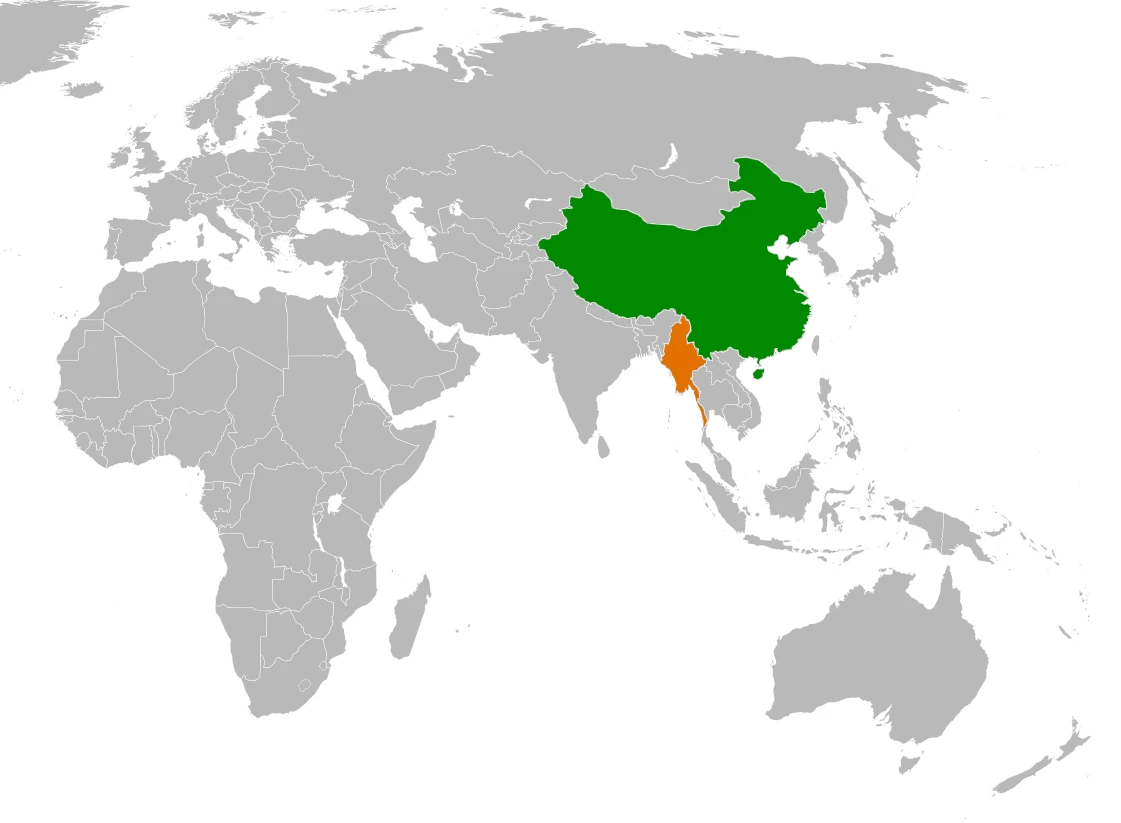
For China, the logic is strategic and long term. The corridor strengthens Beijing’s position in Southeast Asia, helps secure routes around a politically fragile border region and offers a more resilient path for energy and commerce toward the Indian Ocean. The 18 agreements suggest China is not just betting on Myanmar’s leadership, but on the borderlands, ports and pipelines that can extend Chinese influence well beyond Myanmar’s internal conflict.
Sources
- [1]usnews.com
- [2]mfa.gov.cn
- [3]fmprc.gov.cn
- [4]english.www.gov.cn
- [5]mofa.gov.mm
- [6]straitstimes.com
- [7]aljazeera.com
- [8]eng.mizzima.com