World
China plans $295 billion data center push to boost AI dominance
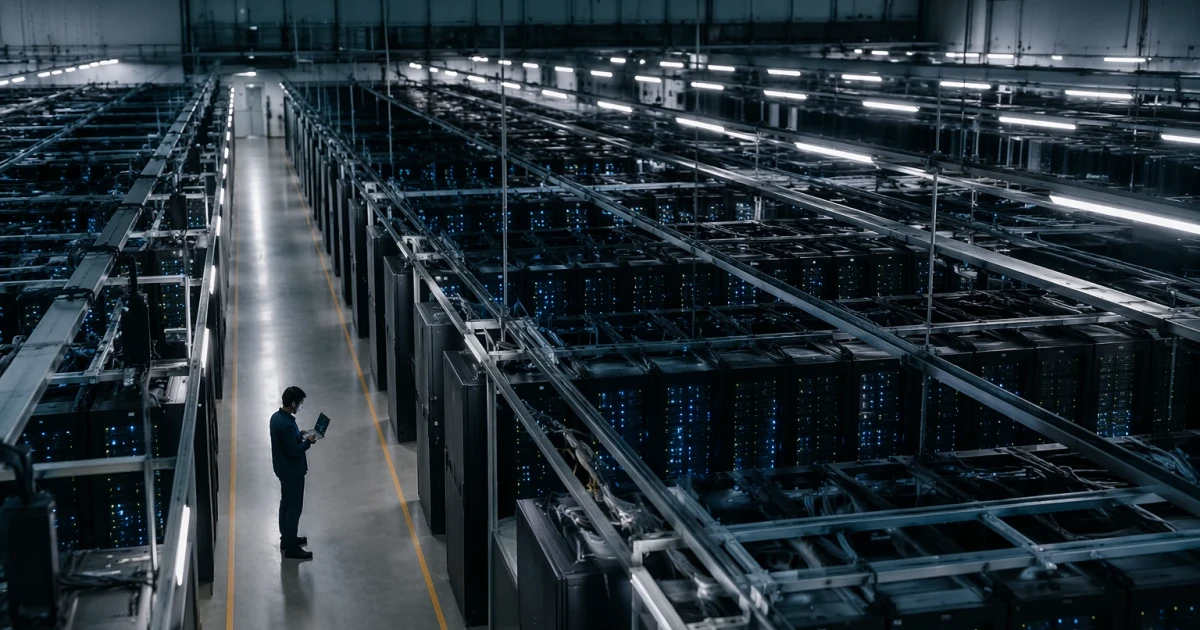
China is preparing to pour about 2 trillion yuan, or $295.43 billion, into data centers over the next five years, a push that shows how Beijing now treats compute as strategic infrastructure on par with chips and energy. The plan is designed to accelerate domestic AI development and chip away at the advantage held by the United States in a race that now shapes industrial policy, military planning and economic power.
The draft is being shaped by key government agencies including the National Development and Reform Commission. Officials want at least 80% of the technology used in the buildout, including AI chips, to come from domestic suppliers, a requirement that would reduce reliance on Nvidia, Advanced Micro Devices and other foreign vendors while pushing China to localize more of its AI stack.
That ambition comes with a hard constraint: China is already dealing with a glut of data-center capacity created by a three-year building boom. In some facilities, utilization has been estimated at only 20% to 30%, and more than 100 local state-backed projects have been canceled over the past 18 months. The Ministry of Industry and Information Technology has also been working with China Mobile, China Unicom and China Telecom on a possible national, state-run cloud service to absorb surplus computing power.
The new spending wave also lands in the middle of a broader policy shift. China’s 15th Five-Year Plan elevated the AI Plus initiative, first announced in 2024, with a goal of integrating AI into 90% of the economy by 2030. That makes the data-center push part of a wider state campaign to build the physical backbone for AI deployment, not just the models themselves.
Power will be the other make-or-break issue. The International Energy Agency has projected that global electricity demand to meet data-center needs will rise from 460 TWh in 2024 to more than 1,000 TWh in 2030, a reminder that China’s AI buildout will compete for land, networking, cooling and grid capacity at the same time it tries to outrun U.S. export controls. Washington has recently tightened restrictions on advanced AI-chip shipments to Chinese entities, including overseas subsidiaries, increasing the pressure on Beijing to fund, build and localize its own infrastructure faster.
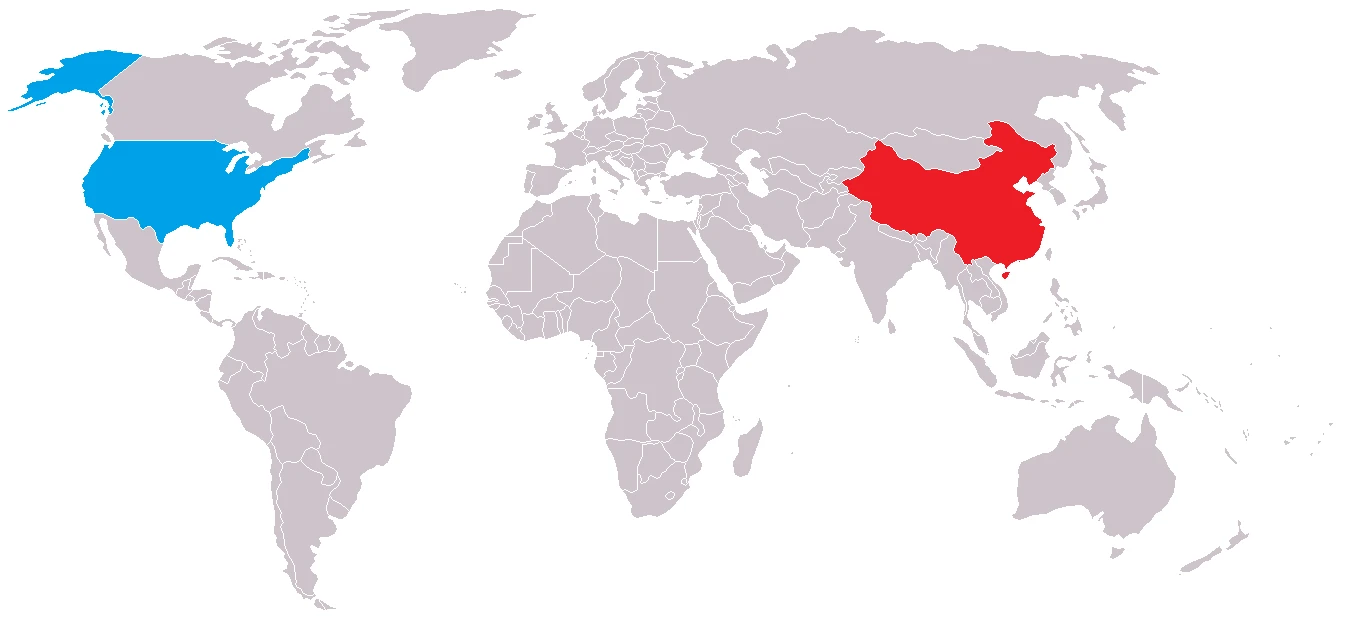
If China can sustain the spending and avoid repeating the mistakes of its earlier overbuild, the data-center program could become one of the most important state-led attempts yet to narrow the compute gap with American rivals.
Sources
- [1]bloomberg.com
- [2]msn.com
- [3]datacenterdynamics.com
- [4]scmp.com
- [5]iea.org
- [6]cnbc.com