World
China races to create jobs as AI reshapes the workforce
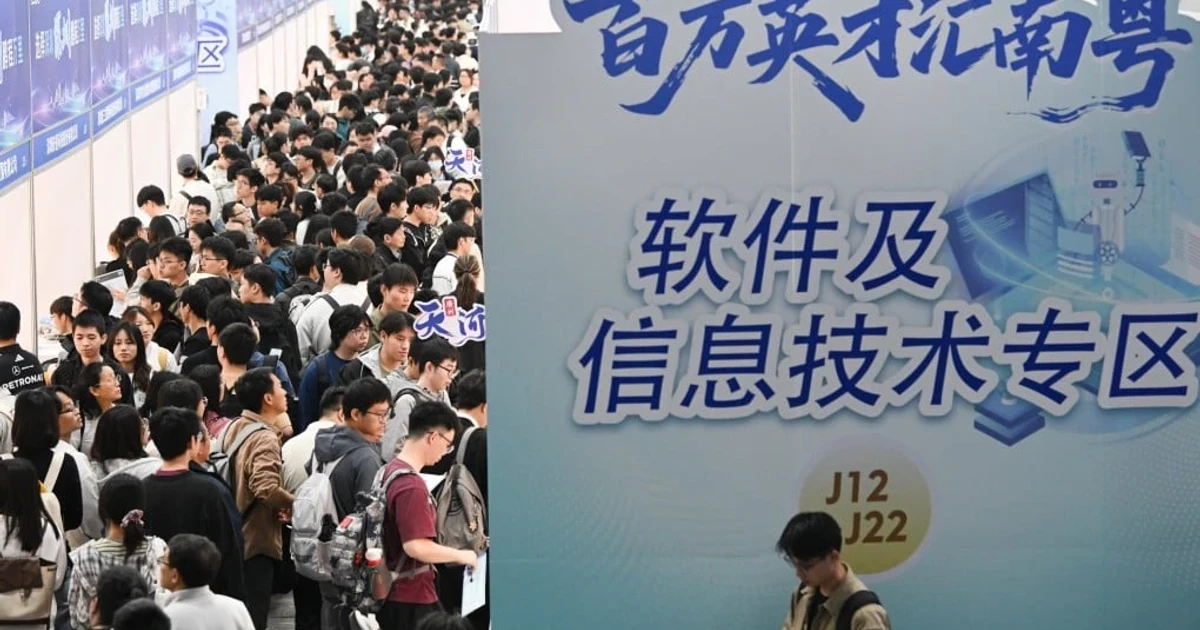
The State Council of the People's Republic of China issued a plan to implement an employment-first strategy for 2026-2030, putting job stability at the center of Beijing’s response to artificial intelligence and other new technologies. The plan aims to keep employment broadly stable and prevent large-scale unemployment risks at a time when official reporting says 12.7 million college graduates are expected to enter China’s job market this year.
In March, human resources minister Wang Xiaoping said authorities were mulling measures to harness AI in creating new job opportunities and upgrading traditional jobs, with a focus on the digital economy, high-end manufacturing and modern services. That same month, official planning documents said China would take a multi-pronged approach to address AI’s impact on employment, signaling that Beijing is trying to expand automation without allowing it to tear through the labor market unchecked.
The pressure is already visible in the scale of China’s workforce. The National Development and Reform Commission said China had 12.22 million college graduates in 2025, a historical high, while migrant workers remained close to 300 million. Officials have also said the Ministry of Human Resources and Social Security identified 72 new occupations over the past five years, with more than 20 tied directly to AI, and estimated that each new occupation could generate jobs for 300,000 to 500,000 people in its early stages.
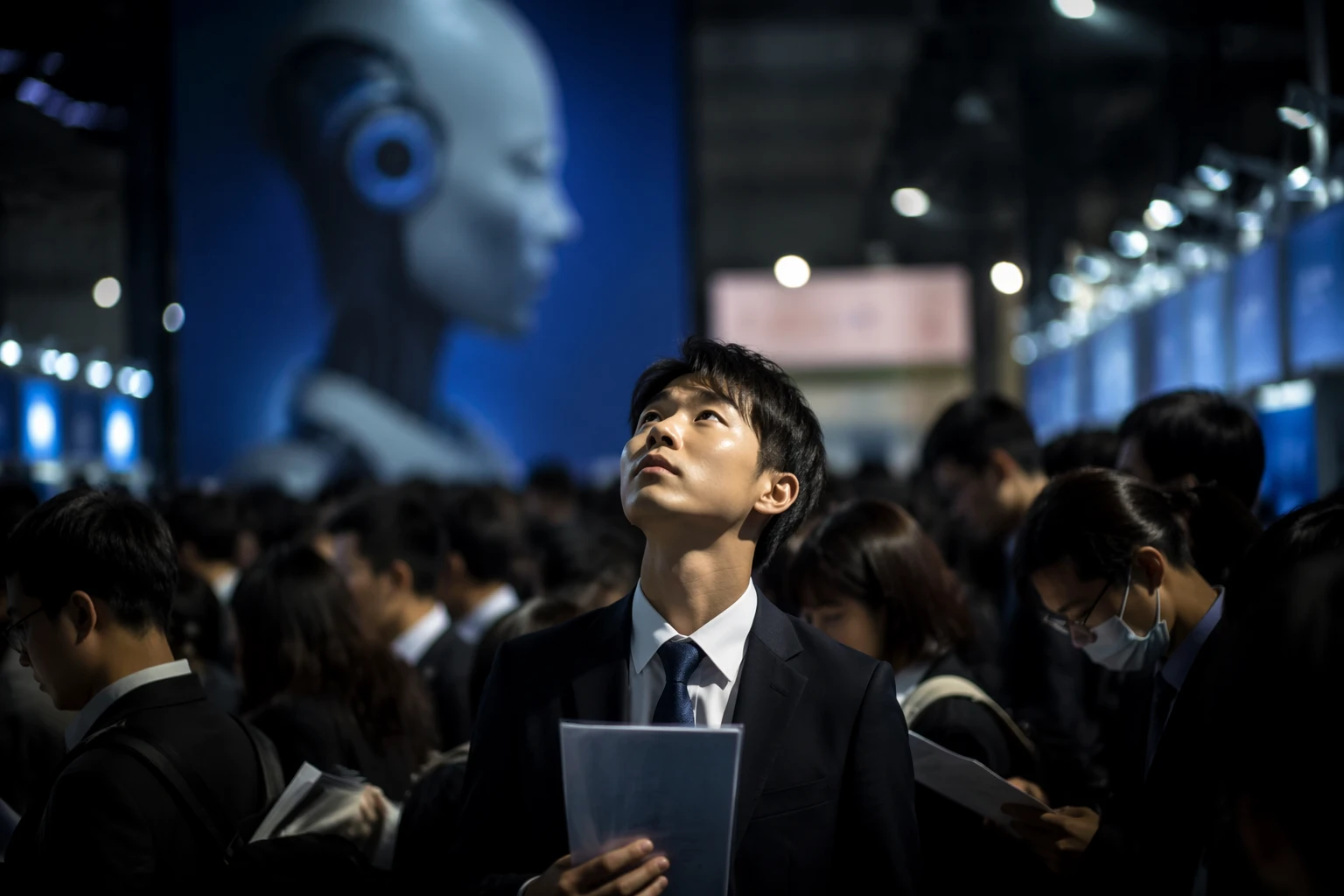
That effort reflects a broader state strategy to cushion AI’s impact on jobs while investing in human capital. In January, official commentary framed the challenge in those terms, presenting AI not only as a productivity tool but also as a potential source of labor disruption that must be managed through training and occupational upgrades. The approach matters beyond Beijing because it shows how a major industrial economy is trying to absorb automation without triggering a social backlash.
Workers and job seekers inside China are already feeling the shift. Reporting from the country has described both enthusiasm for AI tools and anxiety that automation could reduce headcount, especially as companies look for efficiency gains. For U.S. policymakers watching the transition, China’s response is a clear warning that the labor shock from AI will not be limited to software firms or tech hubs; it will reach factories, service work and the pipeline of new graduates unless governments move early on retraining and job creation.
Sources
- [1]nytimes.com
- [2]english.www.gov.cn
- [3]english.scio.gov.cn
- [4]ndrc.gov.cn