Technology
China recovers first orbital rocket booster in reusable launch milestone
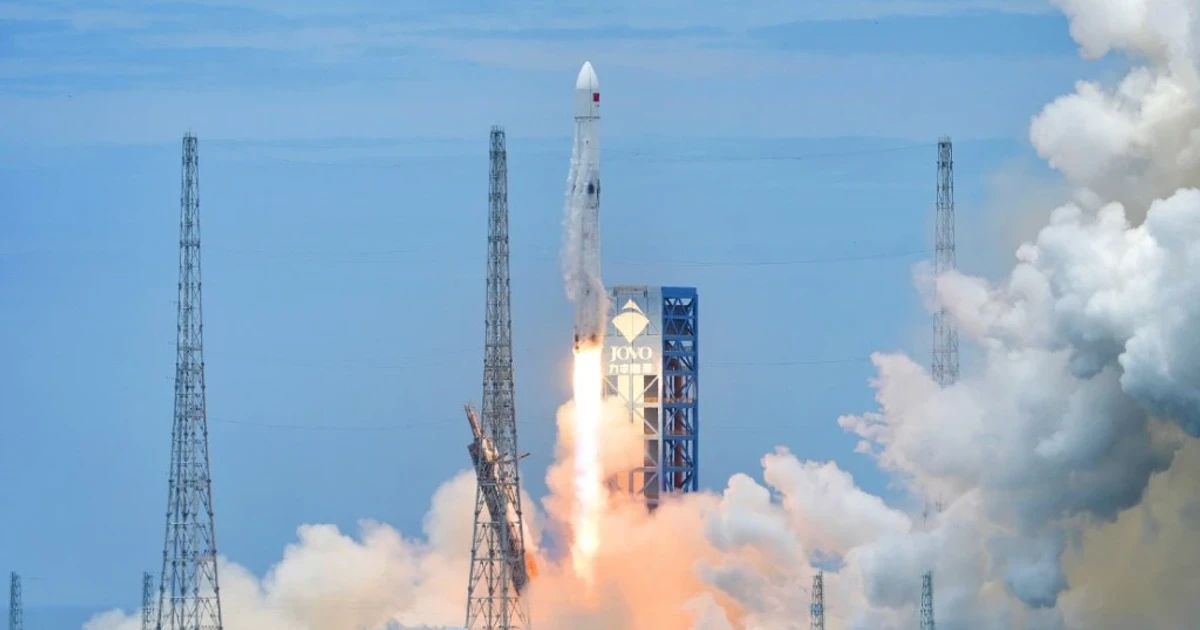
China pulled off its first controlled recovery of an orbital-class rocket booster as the Long March-10B made its maiden flight from Hainan, turning one launch into a signal that Beijing wants a deeper role in the reusable-rocket race. The first stage was captured on a seaborne platform with a net-capture system after sending its payload into the preset orbit, state media said.
The launch took place at the Hainan commercial space launch site in Wenchang, Hainan Province, on July 10, 2026. After first- and second-stage separation, the booster returned about six minutes later and was recovered offshore. The mission gave China both a launch success and a recovery success, a combination that had eluded the country until now.
The achievement matters because reusable boosters can change the economics of orbit. SpaceX has shown that recovering Falcon 9 first stages repeatedly can drive down launch costs and support a much faster launch cadence, advantages that spill beyond commercial space into military logistics, surveillance, and rapid-response capabilities. China’s success puts it in a club of two, with the United States still the only country that had previously managed controlled recovery of an orbital-class booster.
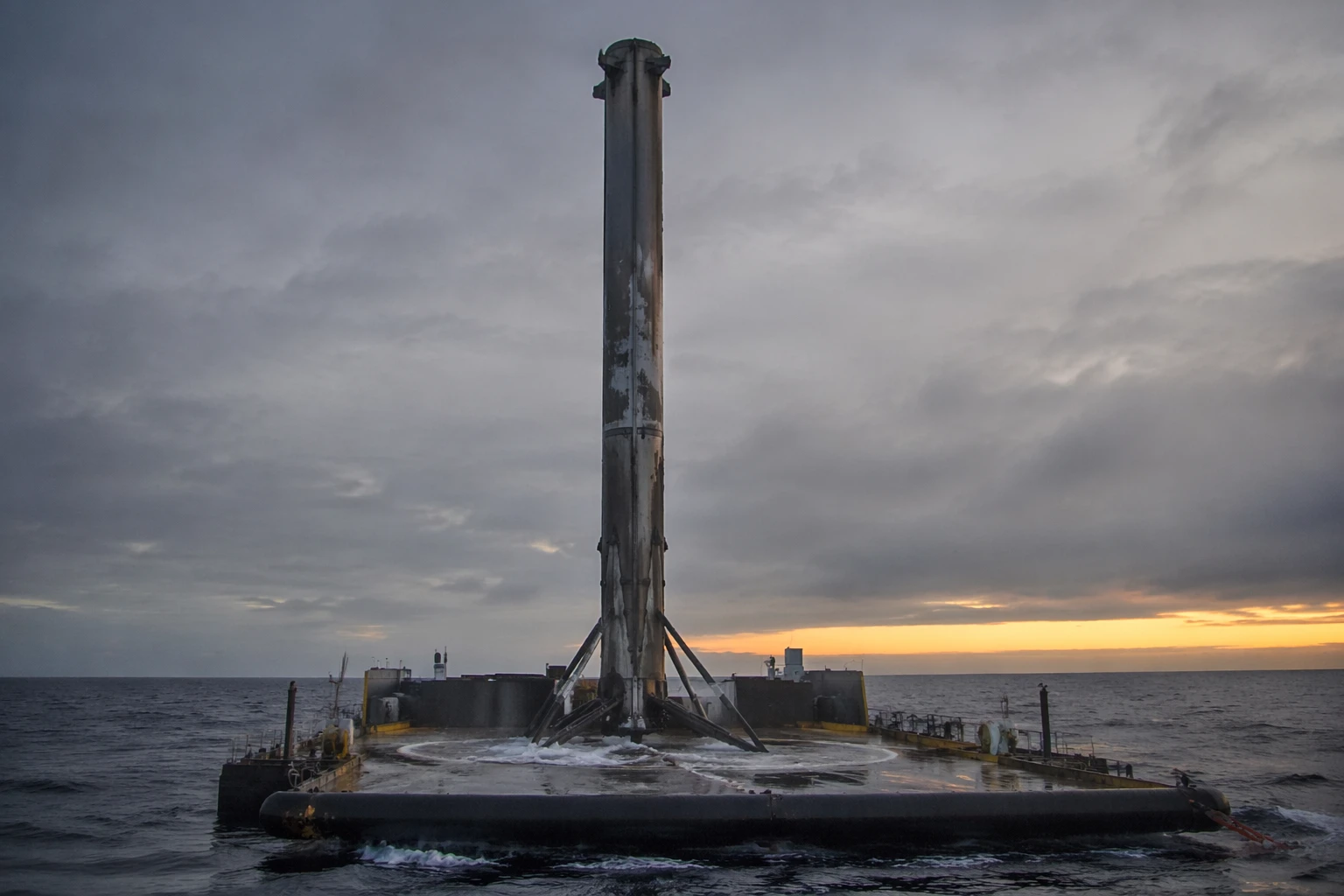
SpaceX, founded by Elon Musk, first recovered an orbital-class booster in December 2015, and the company has since made booster reuse routine. China’s Long March-10B took a different path, relying on a sea-based platform with flexible net capture and hydraulic damping rather than landing legs. That approach suggests Chinese engineers are trying to solve the reuse problem with a method suited to offshore recovery and their own launch architecture, even as it remains behind SpaceX in operational maturity.
The milestone comes at a time when launch capability is increasingly tied to national power. Reusable rockets can reduce the cost of putting satellites into orbit, speed up access for commercial customers, and strengthen a country’s ability to sustain military and intelligence satellites in space. For China, recovering the Long March-10B booster is both a technical advance and a marker of prestige in a competition that has already been defined by SpaceX’s lead.

For Beijing, the landing at sea is not just about catching hardware. It is a visible step toward narrowing the gap with the United States in a field where lower costs, faster turnaround, and reliable recovery can translate into strategic advantage.
Sources
- [1]techcrunch.com
- [2]english.news.cn
- [3]english.scio.gov.cn
- [4]spacenews.com
- [5]usnews.com