World
China rejects Trump’s election interference claims as politically driven
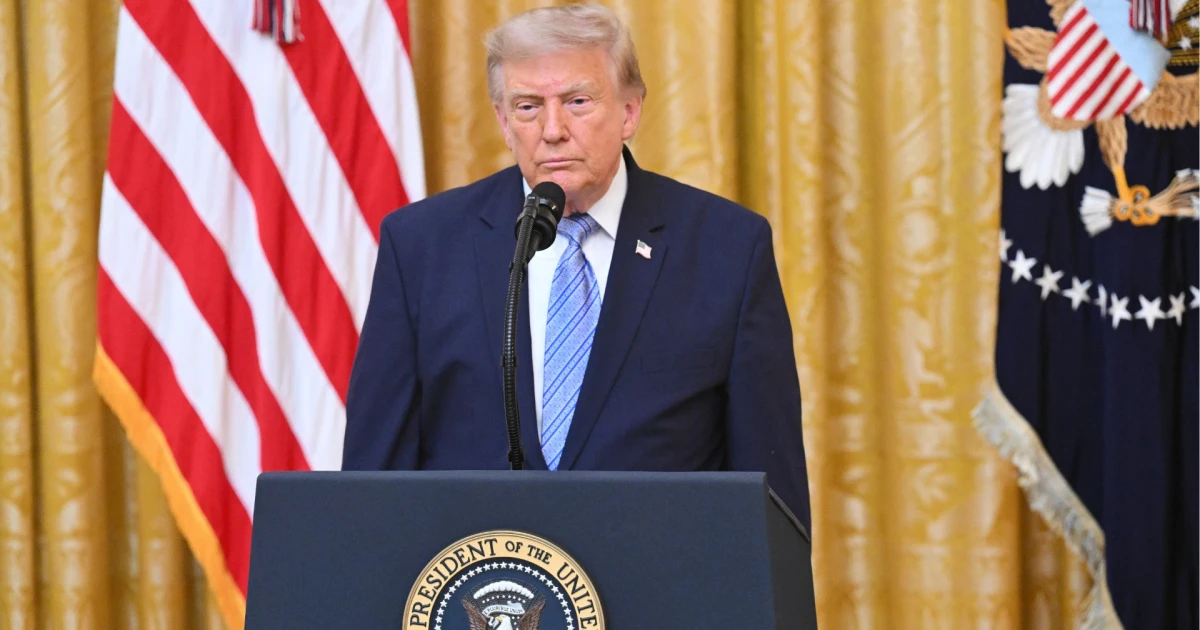
China rejected Donald Trump’s latest claim that Beijing interfered in the 2020 U.S. election, while the White House weighed releasing controversial intelligence on China and U.S. elections before his primetime speech. The clash underscored how Trump’s anti-China rhetoric was colliding with a parallel effort to keep a personal channel open to Xi Jinping.
U.S. intelligence assessments have found no indication that China or any other foreign actor compromised voting machines or changed votes in 2020. A declassified March 2021 Intelligence Community Assessment on foreign threats to the 2020 U.S. federal elections, prepared by the National Intelligence Council with the CIA, Department of Homeland Security, Federal Bureau of Investigation, Bureau of Intelligence and Research, the Treasury Department and the National Security Agency, concluded that foreign actors did not compromise election infrastructure to alter the outcome.
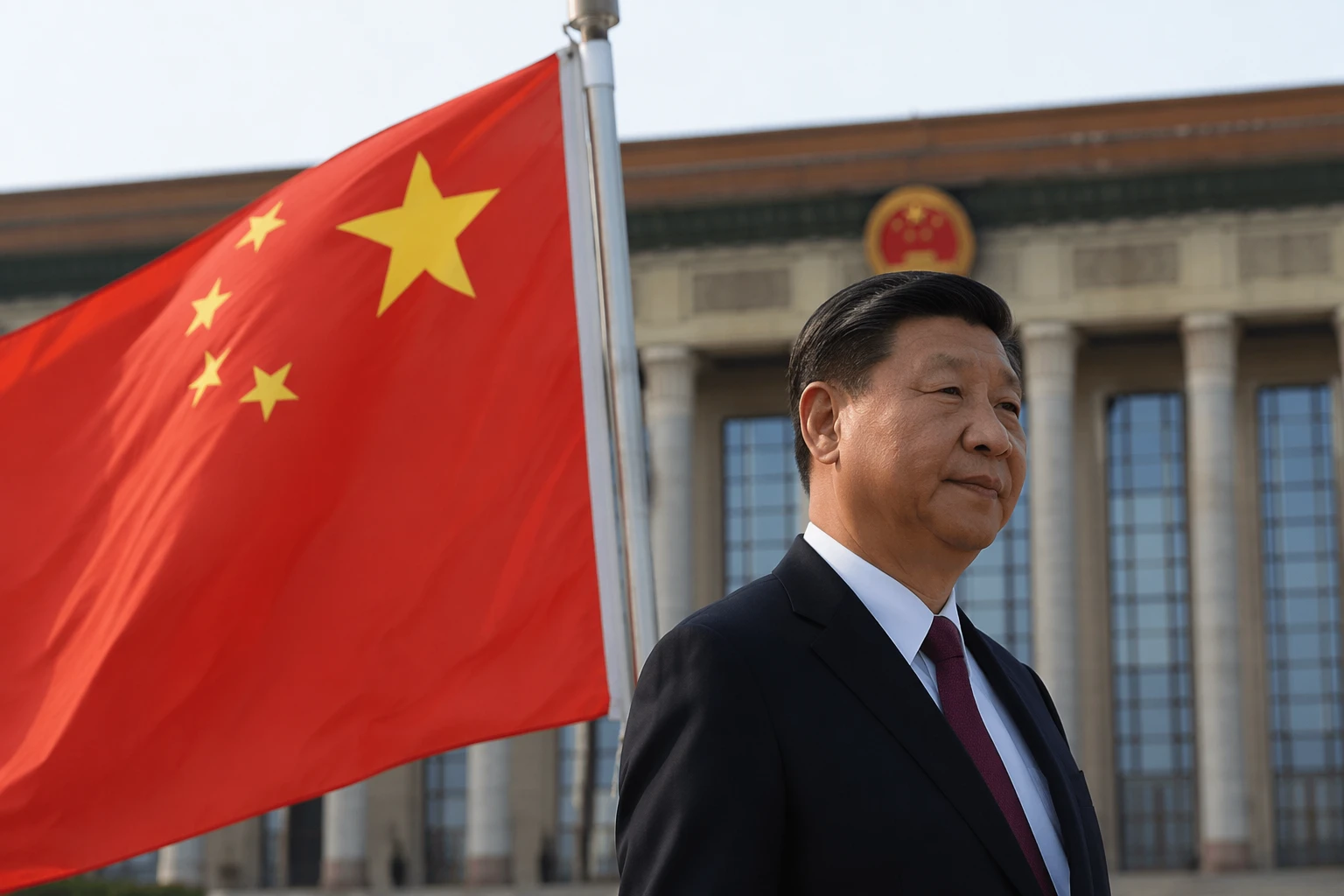
That intelligence record sits uneasily beside Trump’s political messaging. In June 2020, John Bolton said Trump had explicitly sought Xi’s help to win reelection, a detail that complicates Trump’s public portrayal of China as a straightforward election threat. China said at the time that it had no intention of interfering in U.S. elections, and in July 2026 Beijing again dismissed Trump’s accusations as false.
The timing mattered because Trump had tied the 2026 speech to a broader election-security push ahead of the midterms. His comments landed as Washington and Beijing were trying to improve ties, raising the risk that campaign rhetoric could spill into statecraft and cloud any planned diplomacy, including a possible Xi Jinping trip to the United States. For Beijing, the public accusations looked less like a policy reset than a domestic political tactic, even as Washington kept open the possibility of using intelligence disclosures to sharpen the confrontation.
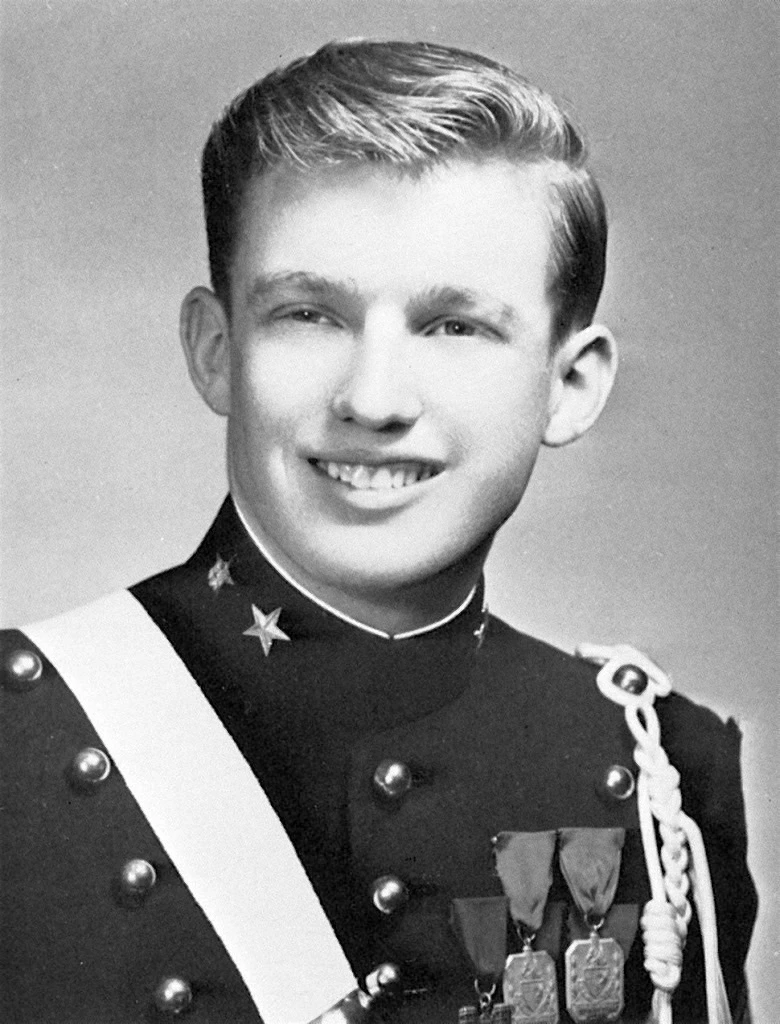
That split creates a practical problem for U.S. diplomacy. Trump has incentives to sound hard on China for domestic audiences, especially in an election-security frame, while also preserving room for a direct leader-to-leader bargain with Xi. The result is a familiar pattern in U.S.-China relations: sharp public language, private signaling, and uncertainty for allies and markets trying to judge whether the hostility is electoral theater or the start of a harder line.
Sources
- [1]nytimes.com
- [2]reuters.com
- [3]dni.gov
- [4]bbc.com